Last updated October 15, 2026



Free written scope consultation - allowances, timeline, and change-order rules on paper before a single trade is scheduled
How to Hire a Construction Contractor in Santa Clarita: A Step-by-Step Guide
California’s Contractors State License Board (CSLB) receives a disproportionate share of dispute filings from LA County homeowners each year, and a striking number of those filings trace back to a single source: allowance-heavy contracts. The paperwork said “tile allowance: $3/sq ft” but never named the tile. In Santa Clarita, where summer temperatures routinely top 95°F and a poorly chosen exterior material fails within five years, that missing specificity is the difference between a job done once and a job done twice. This guide turns the contractor hiring process into a repeatable, document-first method, so you sign with clarity instead of hope. For more guides & resources, see our blog. You’ll learn how to verify a license in under three minutes, read a scope of work line by line, spot vague clauses before they cost you, and ask the six questions that surface how a crew treats a home while you’re not looking.
Quick Answer
Hiring a construction contractor in Santa Clarita comes down to five steps: verify the CSLB license number against the state database, confirm the classification matches the work you need, request a written line-item scope that names specific materials and brands, check that start and completion dates plus a payment schedule appear in the contract, and ask directly how the crew handles dust, pets, and daily cleanup. For a deeper dive, see our Complete Guide to Construction in Santa Clarita. If any of those pieces is missing or vague, do not sign until it’s fixed in writing.
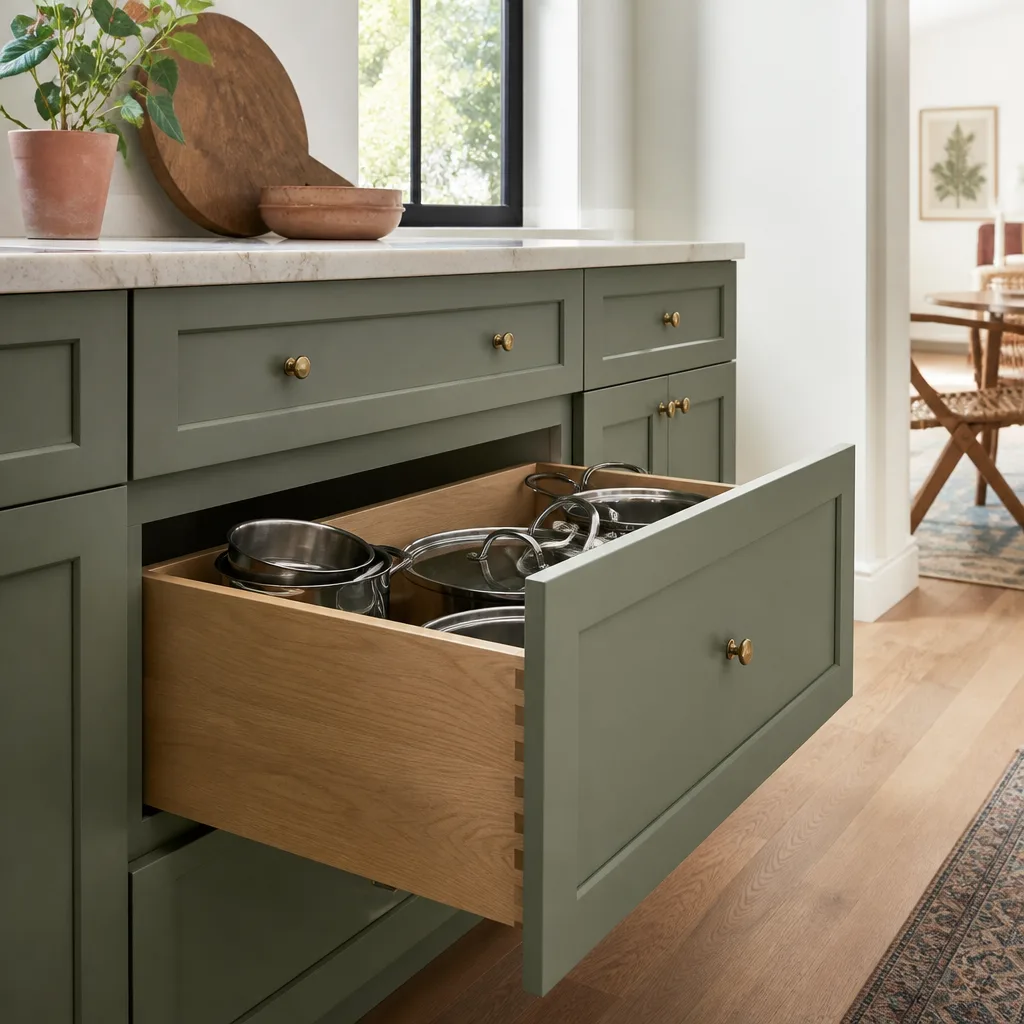
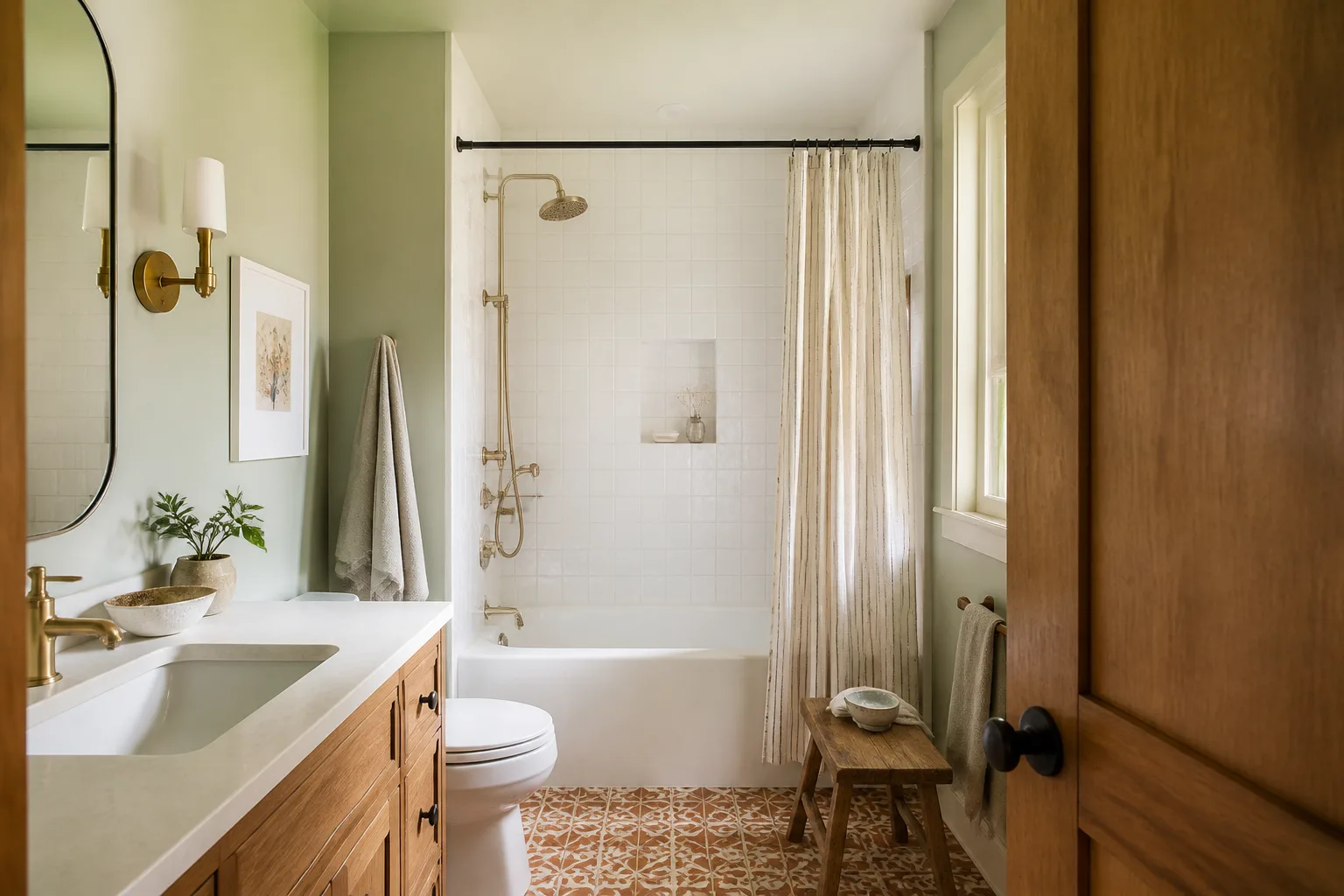
Styles & brands we work with
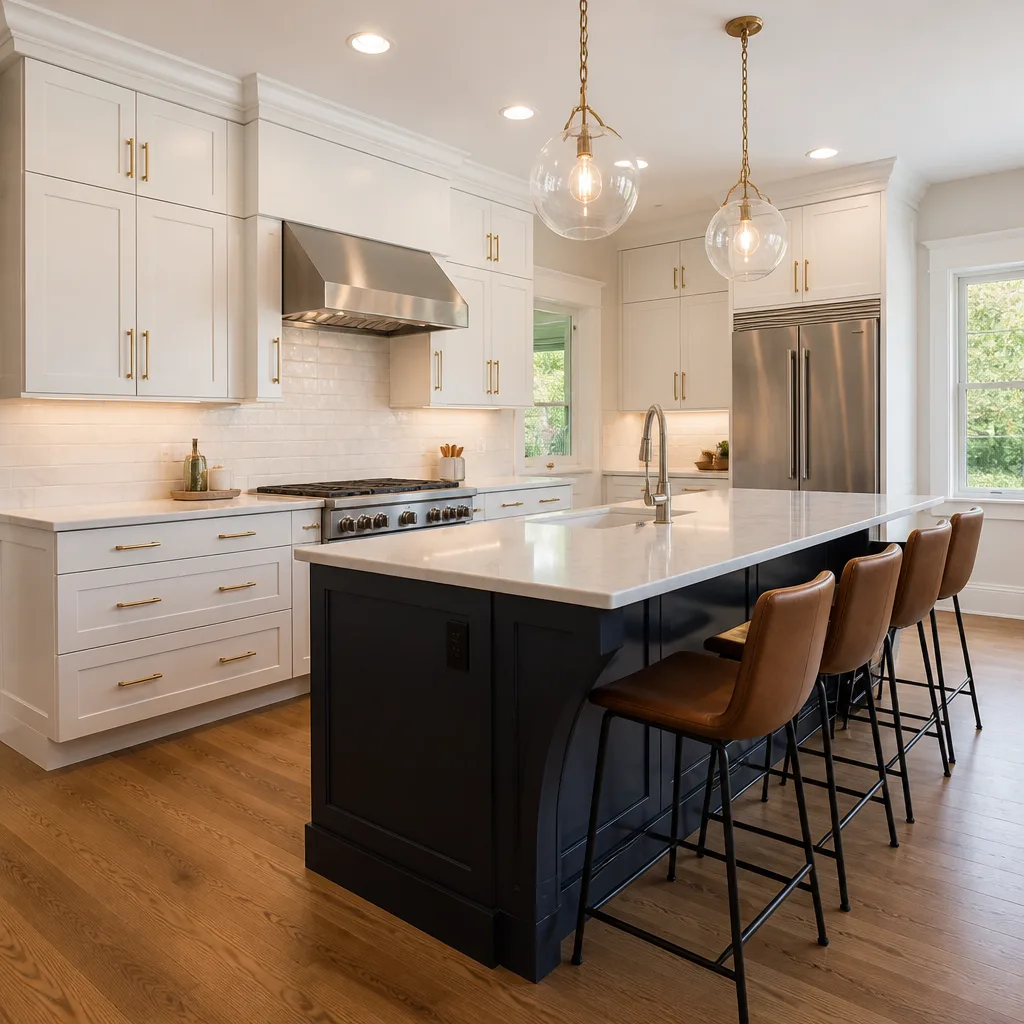
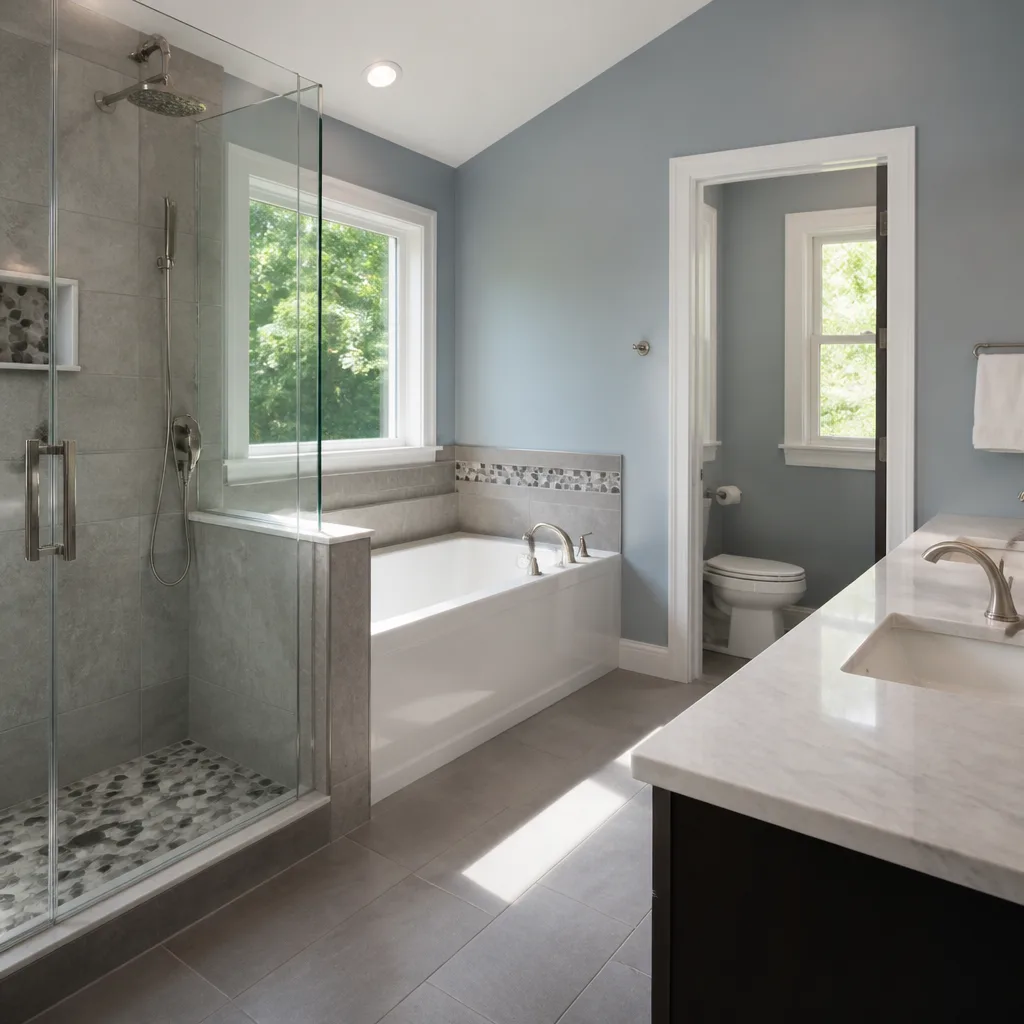
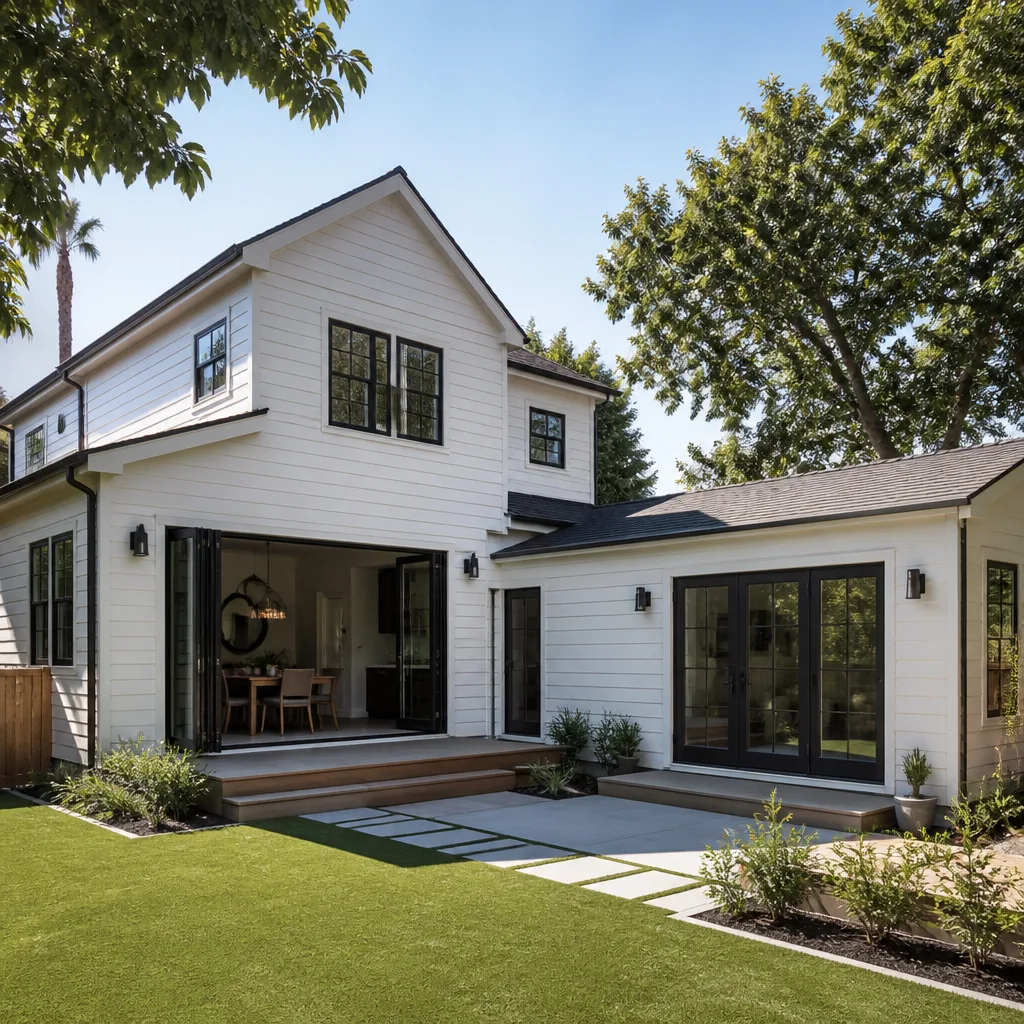

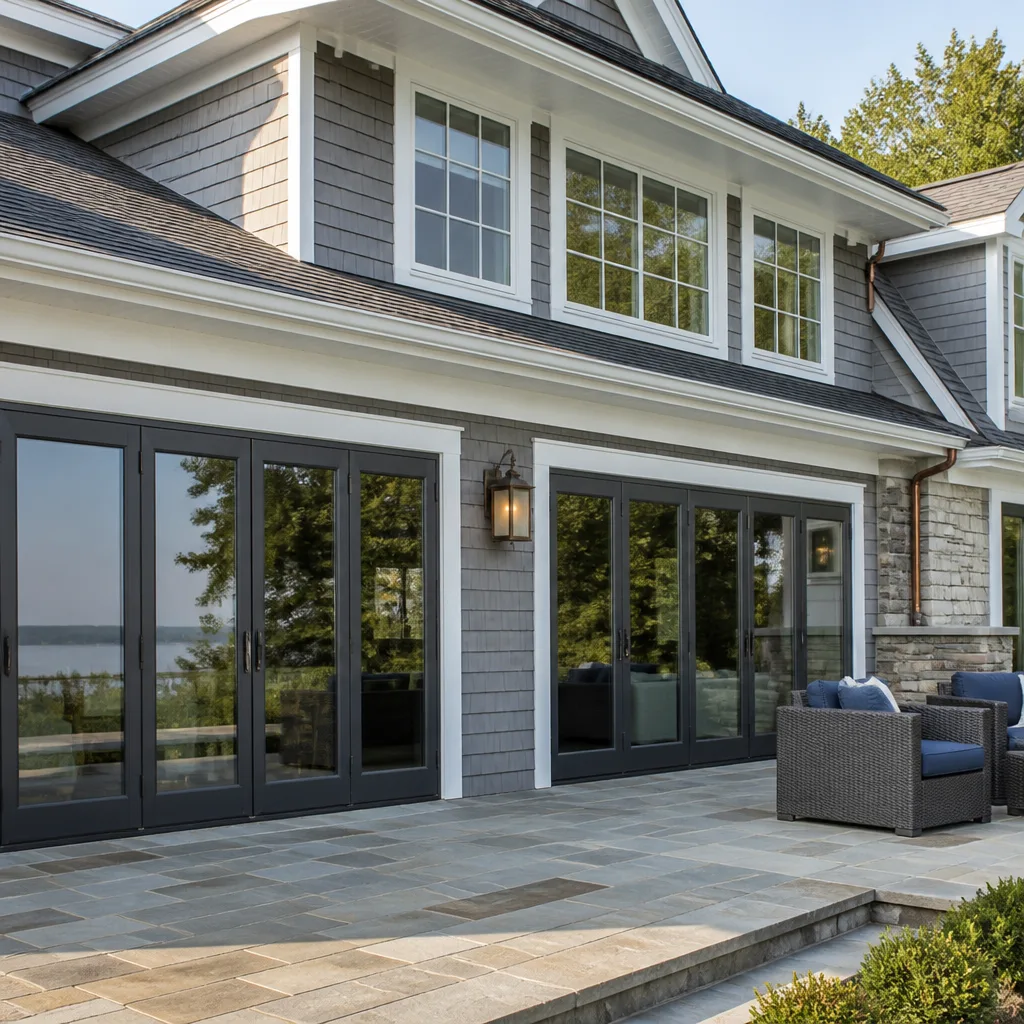
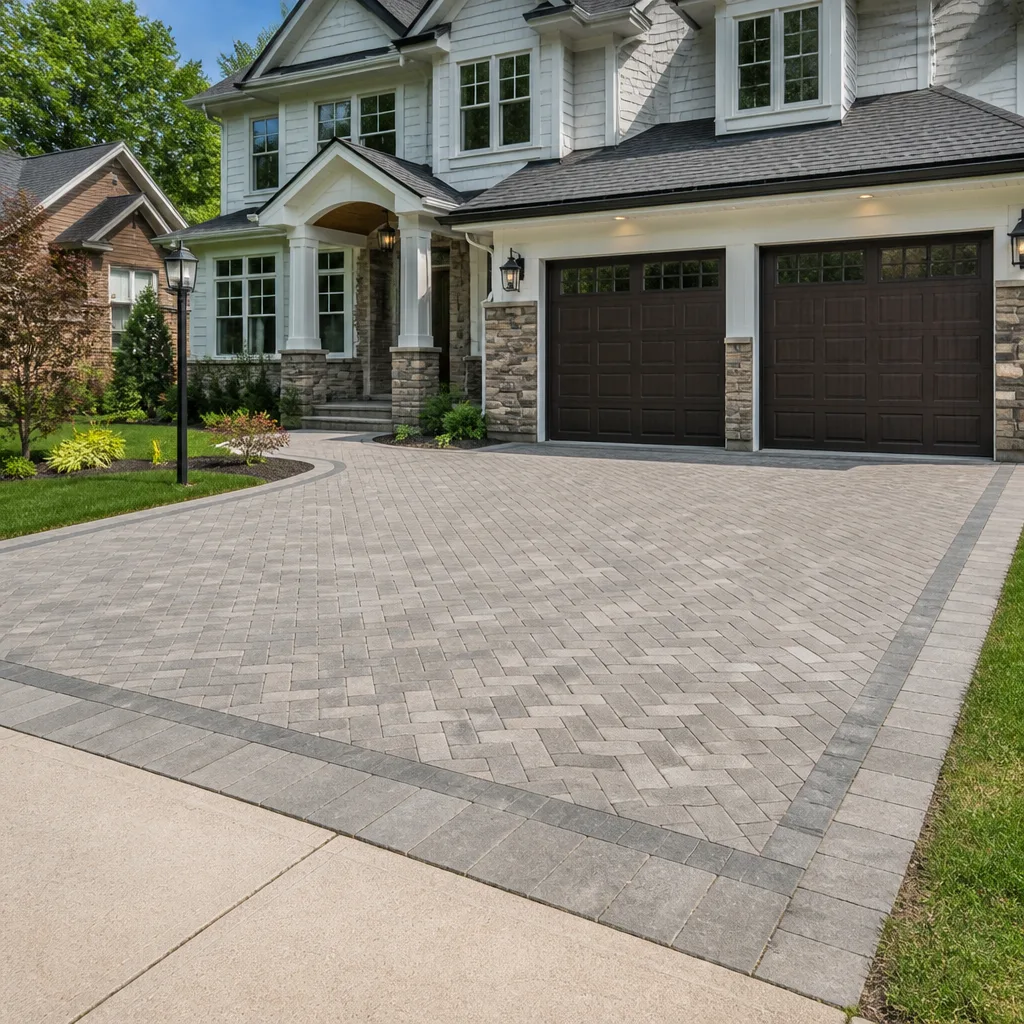
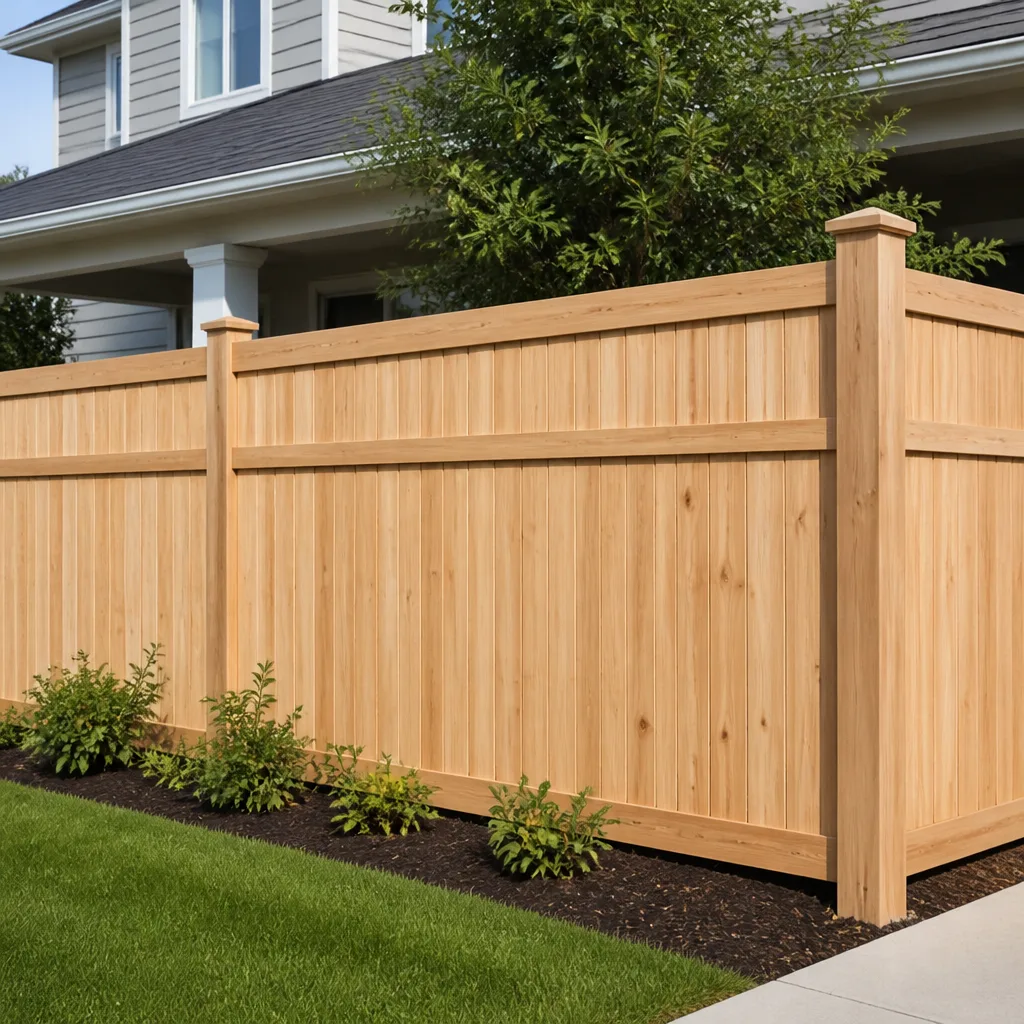
Table of Contents
- Step 1: Verify the CSLB License in Under Three Minutes
- Step 2: Read the License Classification (B, C-8, C-35 and What They Mean)
- Step 3: Demand a Written Scope of Work with Named Materials
- Step 4: Read Every Allowance Line and Convert It to a Named Product
- Step 5: Check the California-Required Contract Terms
- Step 6: Understand the Owner-Pulled Permit Conversation
- Step 7: Run the Six-Question Interview Script
- Step 8: Structure a Payment Schedule That Protects You
- Common Mistakes to Avoid
- When to Call a Professional
- Frequently Asked Questions
Step 1: Verify the CSLB License in Under Three Minutes
Before you meet a contractor, before you walk a jobsite, before you shake hands, you check the license. It’s the single fastest protection in California construction, and in Santa Clarita it takes less time than ordering a coffee. Every legitimate contractor doing work over $500 in labor and materials must hold a valid license in the correct classification.
Here’s the exact process:
- Go to cslb.ca.gov. That’s the official Contractors State License Board site. No other site is authoritative.
- Click “Check a License.” It’s the first thing on the page. You can search by license number, business name, or the contractor’s personal name.
- Enter the six-digit number. Ask the contractor for the number during your first phone call. If they hesitate or say they’ll get it later, that’s information. A legitimate Santa Clarita contractor has the number memorized or written on every business card, vehicle, and proposal.
- Look at the “Status” field. It must say “Active.” Anything else – “Inactive,” “Expired,” “Suspended,” “Revoked” – ends the conversation. Walk away.
- Scroll to “Workers’ Comp.” If the contractor has employees, this field must show a policy on file. An exemption is only acceptable if the contractor works truly solo with no employees. In Santa Clarita, where many remodel projects involve multiple trades, a solo operator without workers’ comp is a red flag the size of a Canyon Country backyard wall.
- Check the “Bond” section. The bond is your financial backstop. If the bond shows as cancelled, the license is not valid, regardless of what the status field says above.
We also recommend adding one extra step that costs nothing and takes ten seconds: type the company name plus “CSLB” into Google. The CSLB publishes legal actions online, and a history of complaints is public record. You don’t need to treat a single complaint as disqualifying – every contractor who has been in business long enough has had a client dispute. But a pattern of unresolved complaints tells you what the worst-case scenario looks like before you’re living in it.
In our experience, the contractors worth hiring in Santa Clarita offer their license number unprompted. It’s printed on the proposal header. It’s on the side of the truck. The ones who treat license verification as an inconvenience are the ones who treat the rest of the contract that way too.
Step 2: Read the License Classification (B, C-8, C-35 and What They Mean)
The license number is step one. The classification is step two. A license that doesn’t match the work is like having a driver’s license to fly a plane. The CSLB issues different classifications for different scopes of work, and in Santa Clarita, where many homes blend indoor living with outdoor heat and hillside construction, the classification tells you exactly what the contractor is legally allowed to touch. For seasonal considerations, read our Seasonal Construction Care for Santa Clarita: Year-Round Homeowner’s Guide.
Here are the classifications you’ll encounter most often in Santa Clarita remodeling and construction work:
- B – General Building Contractor. This is the one you want for a General Contractor in Santa Clarita. A B-holder can legally frame, build, and remodel. On a large project, B-holders act as the prime contractor and bring in licensed specialty subcontractors for electrical, plumbing, and HVAC work.
- C-8 – Concrete. A C-8 license covers concrete flatwork, slabs, foundations, and decorative concrete finishes. If your project includes a new patio or a retaining wall in Valencia’s hillside terrain, you may see this classification.
- C-35 – Lathing and Plastering. This is the drywall and plaster license. On projects where lath and plaster or stucco are central, the C-35 holder is the legal specialty contractor.
- C-36 – Plumbing. Water lines, drain lines, gas lines, water heaters, and fixture installation fall here. A bathroom remodel with a relocated vanity drain needs a C-36 on the job, either as a sub or as a direct contract.
- C-10 – Electrical. Panel work, new circuits, recessed lighting, and any wire that carries current belongs to a C-10 holder. This is not a license a general contractor can operate under and call it a day.
- C-54 – Tile and Stone. Tile setting, stone counter installation, and masonry veneer work. If your written scope includes a specific tile from a named supplier, the person installing it should hold this or work under a B-holder who pulls the appropriate permits.
Here’s what catches families: the C-8, C-35, and C-54 classifications are specialty. A contractor holding only a C-8 cannot legally act as the prime contractor on a whole-home remodel. They can pour the slab, but they cannot be the one coordinating the electrician, plumber, and framer under their own license. If someone in Santa Clarita proposes a whole-home remodel and their license is a C-specialty, not a B, that’s a scope problem in the making.
The license classification is public record. It’s on the same CSLB page you already pulled up in step one. It takes two seconds to read it and compare it to the work in your written scope. A mismatched classification is not a technicality. It’s the difference between a contractor who is legally allowed to do the work and one who is asking you to waive protections you didn’t know you had.
Step 3: Demand a Written Scope of Work with Named Materials
The single most protective step a Santa Clarita homeowner can take before signing a construction contract is not checking reviews. It’s reading the written scope line by line and confirming every named material, brand, and grade is spelled out rather than listed as “allowances.” This is where 80 percent of our dispute prevention happens, and it’s the step most homeowners skip because the proposal looks long enough to be complete. Length is not specificity. A fourteen-page proposal can still say “flooring: TBD” fourteen different ways.
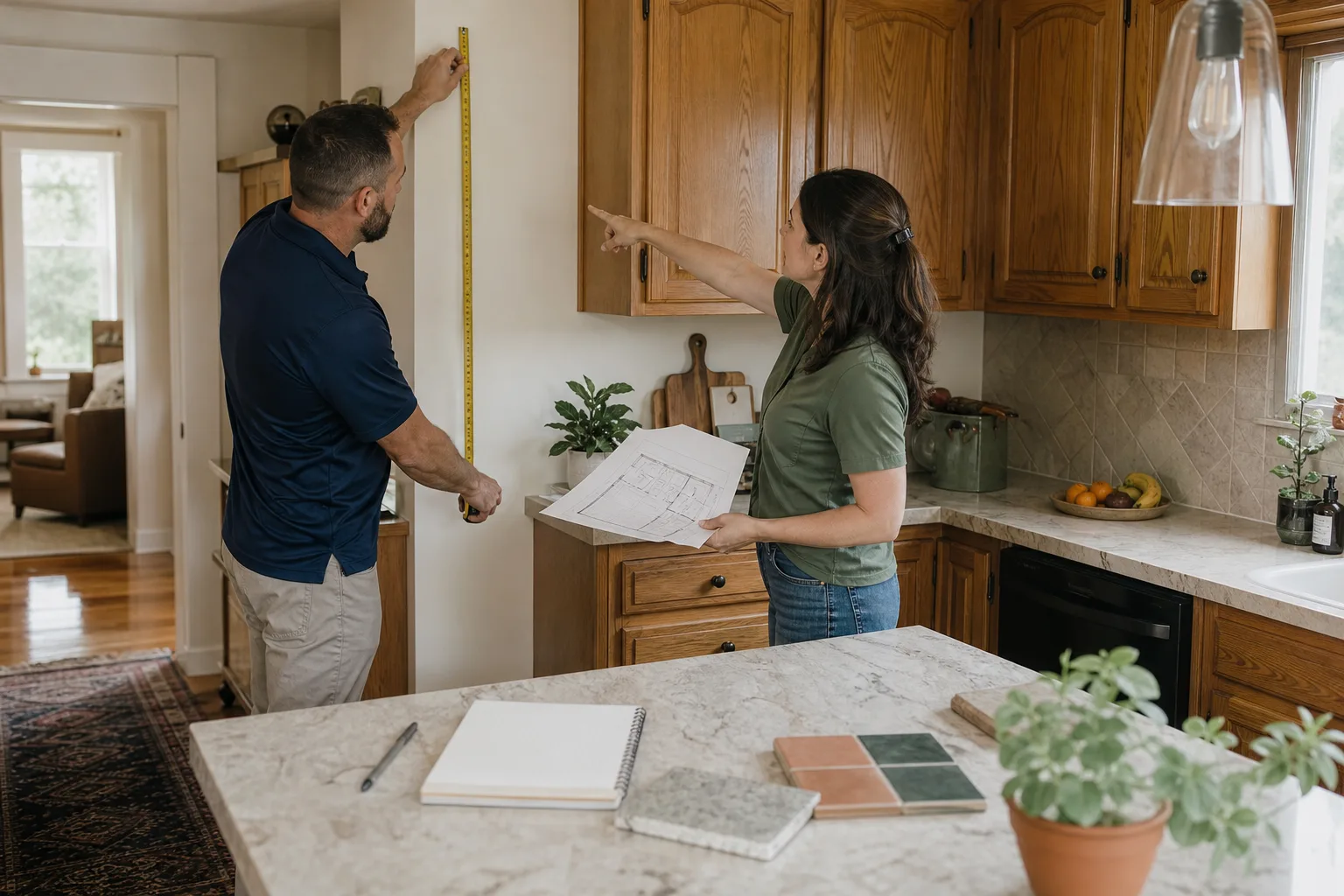
A written scope of work should read like a map of the finished project someone who has never seen the house could follow. Here’s what it includes:
- Every trade, listed by name. Demolition, framing, rough plumbing, finish plumbing, electrical rough-in, electrical trim, drywall, paint, tile, flooring, fixtures. If a trade exists, it’s on the list.
- Every material, named by brand or by SKU. “KraftMaid cabinets in Maple, Sable finish, 36-inch upper wall cabinet, SKU KM36SB” – that’s a named material. “Cabinets: allowance” – that’s not.
- Every dimension, written out. Not “the kitchen” but “the kitchen at 12 linear feet of cabinetry along the east wall per the attached drawing dated March 14.” If there’s a drawing, it’s referenced and attached.
- Every fixture, down to finish. “Kohler Bellera pull-down faucet in Vibrant Brushed Nickel” – a named fixture. “Faucet: mid-grade” – an argument waiting to happen.
- Every surface prep and finish step. Drywall texture match in Santa Clarita homes typically means orange peel or knockdown, depending on the neighborhood. If the scope says “texture match,” that’s acceptable as long as the target texture is identified from a photo or existing room reference.
We ask every client to do one thing before signing: read the scope of work out loud, alone, one line at a time. Mark any line that references a material used by only one brand or type without saying which. If the line says “quartz countertop” but doesn’t say Cambria or Silestone or Caesarstone, circle it. If the line says “tile backsplash in kitchen” but doesn’t name the tile, circle it. Every circled line is a question to ask before signing.
In Santa Clarita, where the heat and dry air make finish materials perform differently than coastal markets, the named material matters even more. A paint that holds up at the beach might chalk and fade on a south-facing Saugus wall. An unsealed grout in a Stevenson Ranch shower may stain within months. Bathroom Remodeling in Santa Clarita with specific materials keeps those failures off the table. When the material is named, the brand’s warranty travels with the finished project. When it’s an allowance, the warranty travels with whoever happened to be cheapest that week.
Step 4: Read Every Allowance Line and Convert It to a Named Product
An allowance is a placeholder. In a construction contract, it usually looks like this: “Tile allowance: $4.50 per square foot.” That line tells you the budget bucket, not the product. It does not tell you the tile size, the tile material, whether it’s porcelain or ceramic, whether it’s rated for floor use, or whether the color you picked is in stock. Worse, it gives the contractor a reason to come back later and say the allowance didn’t cover what you picked, and now there’s a change order for $1,800 more.
Here’s how to read an allowance line and the questions to ask to convert it into a named product with a SKU before you sign:
- Find every line that contains the word “allowance.” Circle it. Count the circles. On a typical Santa Clarita kitchen remodel, you might find three to five. On a whole-home remodel, you might find fifteen. Every circle is an unresolved question.
- Ask the first question: “What specific product is this allowance based on?” If the answer is “a typical tile” or “what most people pick,” push for a name. The allowance should be based on a real product the contractor has actually priced.
- Ask the second question: “Can you write that product name into the contract?” If the contractor can’t, that’s a signal. A legitimate contractor with a supplier relationship can name the product and write it down. “KraftMaid cabinet line, style, finish, and SKU” is not a hard ask. If the answer is no, the allowance is serving someone else’s convenience, not your protection.
- Ask the third question: “If I pick something above this allowance, how is the difference calculated?” You want a written answer: “Upgrades over the allowance are billed at the contractor’s net cost plus 15 percent, shown on a written change order before the product is ordered.” If the contractor can’t explain how an upgrade is priced, you’re not getting a price. You’re getting a surprise.
- Ask the fourth question: “What happens if I pick something below this allowance?” A fair contract credits you the difference. If the allowance is $4.50 per square foot and you pick a $3.80 tile, the contract should show a credit of 70 cents per square foot. If the contractor treats the allowance as a minimum spend, that’s not an allowance. That’s a floor with your name on it.
Some allowances are unavoidable. A homeowner may not be ready to choose the exact light fixture when the contract is being drawn up. That’s fine. The fix is not to sign an open allowance. The fix is to set a defined selection deadline (fixtures selected by the date the drywall is complete) and a defined allowance amount, with the difference settled in writing either way. The allowance is not inherently bad. The vague, open-ended, contact-later allowance is the problem.
Step 5: Check the California-Required Contract Terms
California law requires specific terms in any home improvement contract over $500. It is not optional. It is not negotiable. A Santa Clarita contractor who says “we don’t usually put that in the contract” is either misinformed or hoping you are.
Here is what the CSLB requires, and how to spot when each term is missing or vague:
- Start and completion dates. The contract must state a start date and a completion date. “Weather permitting” is allowed as a caveat, but there must be a date. Watch for vague language: “work to begin upon permit approval” without a follow-up date, or “completion approximately 6-8 weeks” with no calendar anchor. The fix: “Work begins within 14 days of permit issuance, and substantial completion occurs on or before [specific date].”
- Description of the work. This is the scope of work from Step 3. It must be in the contract, attached and referenced. If the contract says “per the estimate dated March 1” and that estimate is two sentences of vague promises, that’s not a description. That’s a placeholder.
- Materials description. The materials must be described with enough specificity to identify what is being installed. Named brands and SKUs, as covered in Step 4.
- Payment schedule. California caps the down payment at $1,000 or 10 percent of the contract price, whichever is less. Any contractor asking for 50 percent down on a Santa Clarita remodel is asking you to waive a protection the state already gave you. Walk away.
- Contractor’s license number. Printed on the contract. If it’s missing, that’s a CSLB violation reported every year by LA County homeowners who didn’t notice until it was too late.
- Notice of the right to cancel. This comes as a separate document. You have three business days to cancel without penalty. If a contractor doesn’t provide this notice, it’s another violation.
Every one of these terms is a legal requirement, not a courtesy. A contract that lacks a completion date is not “close enough.” It’s an incomplete contract. The correct response to a missing term is not “I’m sure it’ll be fine.” It’s “Please add the completion date, and send me the updated document.” A contractor who objects to that request is giving you valuable information about how change orders, disputes, and post-project issues will go.
Step 6: Understand the Owner-Pulled Permit Conversation
Somewhere in the process, a contractor may suggest that you, the homeowner, pull the permit yourself. It sounds helpful. “You’ll save money on the permit.” “It’ll be faster.” “The city takes longer when we pull it.” Here is the truth: when you pull a permit as an owner, you assume the liability for work that the contractor performs.
In Santa Clarita, where the city and county permitting processes involve plan checks, inspections, and code compliance, the permit is not a piece of paper. It is the document that tells the building department who is responsible for the work. When a licensed contractor pulls the permit, the contractor’s license number is attached to that permit. The city knows who is accountable if the framing is wrong or the electrical rough-in fails inspection. When you pull the permit as an owner, your name is on the document. You become the responsible party.
Here’s how to have that conversation clearly if a contractor suggests it:
“I appreciate you looking for ways to reduce the cost. Before I agree to pull the permit as an owner, can you help me understand something? The building department will list me as the responsible party on the permit. If an inspection fails or a code issue comes up, who is responsible for correcting it, and who is liable for the cost of the correction? I’d like you to put that in writing before I decide.”
A legitimate contractor will answer directly. An owner-pull arrangement is not automatically a scam – there are cases where an owner pulling a permit for certain minor work is reasonable. But a contractor who pushes owner-pull without explaining liability is not protecting you. And a contractor who refuses to put the liability answer in writing is telling you something you need to hear.
We pull permits on every project where the city or county requires one, not because it’s convenient but because it’s the mechanism that keeps the work accountable. The permit inspection process catches problems while they’re fixable, before the drywall goes up and the problem disappears behind the wall. With a Kitchen Remodeling in Santa Clarita, the permit means the county inspected the electrical, the plumbing, and the ventilation. That’s a protection for your family and your insurance policy. Ask any contractor where the permit is. If the answer is “we’ll pull it later” or “we don’t need one for this,” confirm with the city building department before agreeing.
Step 7: Run the Six-Question Interview Script
You don’t need to speak contractor jargon to interview a contractor. You need six questions, asked in order, and you need to pay attention to the tone of the answers as much as the content. A contractor who gets annoyed by question three is a candidate for slipping standards in week three. In Santa Clarita, where many families hire contractors while managing school drop-offs, dog walks, and full-time jobs, the answers to these questions tell you how the crew will treat the house when you’re not standing there.
Here is the script. Ask every word of it, and write down the answers:
- “Walk me through a regular work day at a client’s home. What time do you arrive? What do you do before the first tool comes out?”
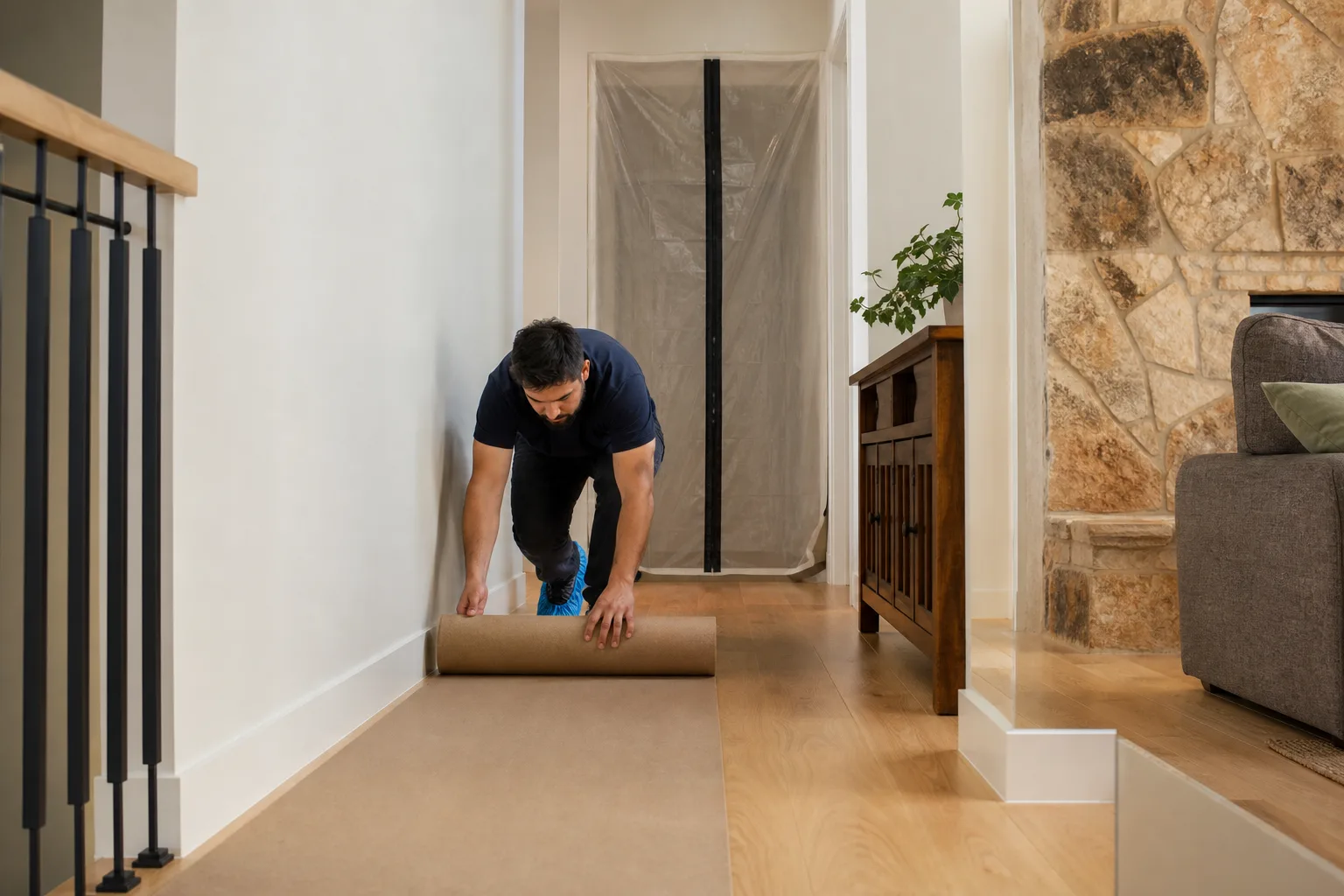
You’re listening for a routine. Shoe covers at the door, drop cloths put down before any work starts, a designated path from the entry to the work area. A contractor who says “we just get to work” is telling you they haven’t thought about your floors. A contractor who says “we lay drop cloths down on the entryway and hallway before anything else” has protected a home before and will protect yours.
- “If I have a dog and a toddler, what changes about how you schedule the loudest work?”
You’re listening for flexibility around real family life. The answer should reference quiet hours, scheduling loud demolition or saw-cutting around nap time and school hours, and asking before moving any pet’s bed or child’s belongings. A contractor who laughs off the question with “don’t worry, we’re used to dogs” hasn’t actually answered anything. A contractor who says “we schedule the loudest work between 10 and 2, and we ask where the dog will be before we arrive” has thought about your actual life.
- “What’s included in your daily cleanup, and what does the house look like when you leave each afternoon?”
You’re listening for specifics. “We sweep and vacuum at the end of each day” is a baseline. “We leave the job site walked and swept, tools put away, and the entry path clear, and we send a photo of the cleaned-up area when we leave” is what you want. If the answer is “we clean up at the end of the job,” that’s a contractor who works in a mess for weeks and then tries to reverse-engineer clean before the final walkthrough. The mess compounds. The final cleanup is never as good as daily care.
- “What’s your process when a product you specified is out of stock or backordered?”
You’re listening for written communication. The right answer is a process, not a promise: “We email you the substitute product name, brand, and price before ordering it, and we won’t substitute without your written approval.” The wrong answer is “we’ll figure it out.” In Santa Clarita, where supply chain timing varies, the named-material discipline from Step 4 is only as good as the process for handling the moment the named material isn’t available.
- “What happens if we disagree about whether something was done correctly?”
You’re listening for the dispute path. The right answer references a specific process: “We walk the area together, you point out what you see, we write down the concern, we agree on the fix and the date by which it will be addressed.” The wrong answer is “that won’t happen” or “we always get it right.” Every contractor has had a client disagreement. The ones worth hiring have a process for handling them that doesn’t require escalating to a lawyer.
- “What does your warranty actually cover, and what does it exclude?”
You’re listening for specifics over slogans. A one-year warranty on workmanship is standard. A manufacturer warranty on products is separate and travels with the product brand. What you want is a contractor who can explain both, in writing, without reaching for “we stand behind our work” as the full answer. A contractor who says “everything’s covered” without limits is not telling you the truth. A contractor who says “craftsmanship is covered for 12 months, and here are the conditions in writing” is giving you something real.
Six questions. Twenty minutes. You’ll know more from twenty minutes of these answers than from forty hours of reading online reviews. Reviews tell you how a contractor handled one moment. These answers tell you how they handle every moment.
Step 8: Structure a Payment Schedule That Protects You
The payment schedule in a California construction contract is not a request. It’s the legal structure that keeps the homeowner and contractor aligned. The wrong payment schedule puts you at risk. The right one protects both parties, and in Santa Clarita, where the cost of a kitchen or bathroom remodel often exceeds the cost of a small vehicle, the stakes are real.
Here is the structure California law sets and the schedule that protects you:
- Down payment: no more than $1,000 or 10 percent, whichever is less. This is state law. Do not negotiate it. Do not sign anything that asks for more.
- Progress payments tied to completed work. You pay as work is completed, not before. A reasonable structure on a larger remodel: 10 percent down, 25 percent at demo and rough-in completion, 25 percent at drywall and inspection pass, 25 percent at fixture and finish trim, and the final 15 percent at final walkthrough and punch list completion.
- No payment for work not yet performed. A request for 50 percent down “to buy materials” is legal territory it doesn’t need to be. Materials can be ordered with a written schedule, and a contractor with supplier relationships can often order named materials with a smaller deposit. If a contractor insists on half the job upfront, the conversation is over.
- Final payment only after final inspection passes and punch list items are complete. The final 5-15 percent is your leverage. It is the only reason the punch list gets done. Release the final check only when the permit has passed final inspection (if a permit was pulled) and every item on your written punch list is signed off.
The payment schedule should be written in the same document as the scope of work. No verbal payment agreements. No “we’ll work it out as we go.” If it’s not written, it doesn’t exist.
A note on change orders: when the scope changes mid-project, the price changes too, and the change must be in writing. A verbal “yeah, we can add that” followed by a surprise $900 on the final invoice is a failure of paperwork, not a failure of intent. The rule for change orders is the same as the rule for the original contract: every change in work, every change in price, every change in timeline, in writing, signed by both parties, before the work continues.
Common Mistakes to Avoid
- Signing before reading the scope out loud. The scope is the project. If you can’t read it out loud and picture the finished work, don’t sign it. Silent skimming is how vague “allowance” lines survive.
- Trusting a license number without checking it. We’ve seen Santa Clarita families hire a contractor who recited a valid-looking license number, only to find the license belonged to a different business with a dissolved bond. Check it. It takes three minutes.
- Accepting “we don’t pull permits for stuff like this.” If the city or county requires a permit, the contractor should pull it. An owner-pull arrangement transfers liability to you. A no-permit arrangement prevents the inspections that catch mistakes while they’re fixable.
- Paying more than 10 percent down. State law caps the down payment at $1,000 or 10 percent. Anyone asking for more is asking you to take on risk the state already decided you shouldn’t carry.
- Leaving product selection as a “we’ll figure it out later” item. The selection is the contract. A named kitchen faucet brand and finish is a decision. “Faucet: TBD mid-grade” is an unresolved question that will become a change order.
- Skipping the six-question interview because the bid was the lowest. The bid is the price of the work. The interview answers are the price of living through the work with your dog and your kids. The cheapest bid that fails the interview is the most expensive mistake in Santa Clarita construction.
- Releasing the final payment before the punch list is complete. The final check is the only leverage most homeowners have left. Hold it until the work is actually done, the inspection has passed, and the punch list is signed off in writing.
When to Call a Professional
If you’ve read this far and you’re feeling more confident about hiring a contractor in Santa Clarita, that’s the goal. If you’ve also realized that reading a scope line by line, verifying a CSLB license, and running a contractor interview takes real time and attention, that’s also correct. The work is worth doing. It’s also work you can share.
Some situations warrant a professional’s help sooner rather than later. If you have a written scope from another contractor and you’d like a second pair of eyes on the allowance lines, call us. If you’re planning a kitchen or bathroom remodel in Santa Clarita and you want a written scope that names every material, every brand, and every finish before work starts, that’s exactly what we do. If you’ve been burned by a vague contract before and you don’t want to go through it again, talk to us.
Elmstead Remodeling Santa Clarita offers free estimates in Santa Clarita, including Valencia, Saugus, Canyon Country, Stevenson Ranch, and Newhall. Call (661) 542-4056 and a live person answers, day or night. We’ll walk your project, write a line-item scope with named materials, and give you a written price before any work starts, on every project, every time.
Frequently Asked Questions
General contractor fees in Santa Clarita typically run 15 to 20 percent of the total project cost as a project-management fee, though many projects are priced as a single fixed contract that includes materials and labor. For detailed pricing breakdowns, see our Construction Cost Breakdown: The Santa Clarita Homeowner’s Reference for 2026. A small bathroom remodel might range from $18,000 to $35,000, while a kitchen remodel in Valencia or Stevenson Ranch typically lands between $35,000 and $75,000 depending on cabinetry, countertop material, and fixture grade. For an exact price on your project, call (661) 542-4056 and we’ll give you a written line-item estimate.
Check the CSLB website at cslb.ca.gov, click “Check a License,” and enter the contractor’s six-digit license number. The status must read “Active,” the workers’ comp field must show a policy or a valid exemption, and the bond must be current. If any of those fields is missing or expired, the contractor is not legally able to work on your home in Santa Clarita.
California requires a home improvement contract over $500 to include a start date, a completion date, a description of the work, a materials description, a payment schedule with a down payment no larger than $1,000 or 10 percent, the contractor’s license number, and a notice of your right to cancel within three business days. If any of those items is missing, ask the contractor to add it in writing before you sign.
Permits attach your project to the building department’s inspection process, which verifies that the work meets current code. In Santa Clarita, city and county inspectors check electrical, plumbing, structural, and ventilation work at specific stages, before the drywall covers the rough-in. Without a permit, those inspections don’t happen, and your homeowner’s insurance may not cover failures tied to unpermitted work. The permit is not bureaucracy. It’s the protection that keeps a hidden mistake from becoming a five-figure repair.
An allowance is a dollar placeholder for a product that hasn’t been selected yet, like “tile allowance: $4.50 per square foot.” The allowance sets a budget range but does not name the product, brand, or SKU. Before signing, convert every allowance into a named product with a written SKU or model number, and confirm in writing how the difference is handled if your final selection comes in above or below the allowance amount. A named product means the brand’s warranty travels with the project. An allowance means you’re still deciding.
An estimate is a prediction. A written price is a commitment. An estimate can shift once the crew arrives, once the walls come open, or once the product is selected. A written price is fixed before work starts, with any change orders handled in writing before the additional work proceeds. At Elmstead Remodeling Santa Clarita, we give a written price before any work starts, on every project, no exceptions. If the price changes, you see the change order first, and you approve it in writing before the work continues.
The Bottom Line
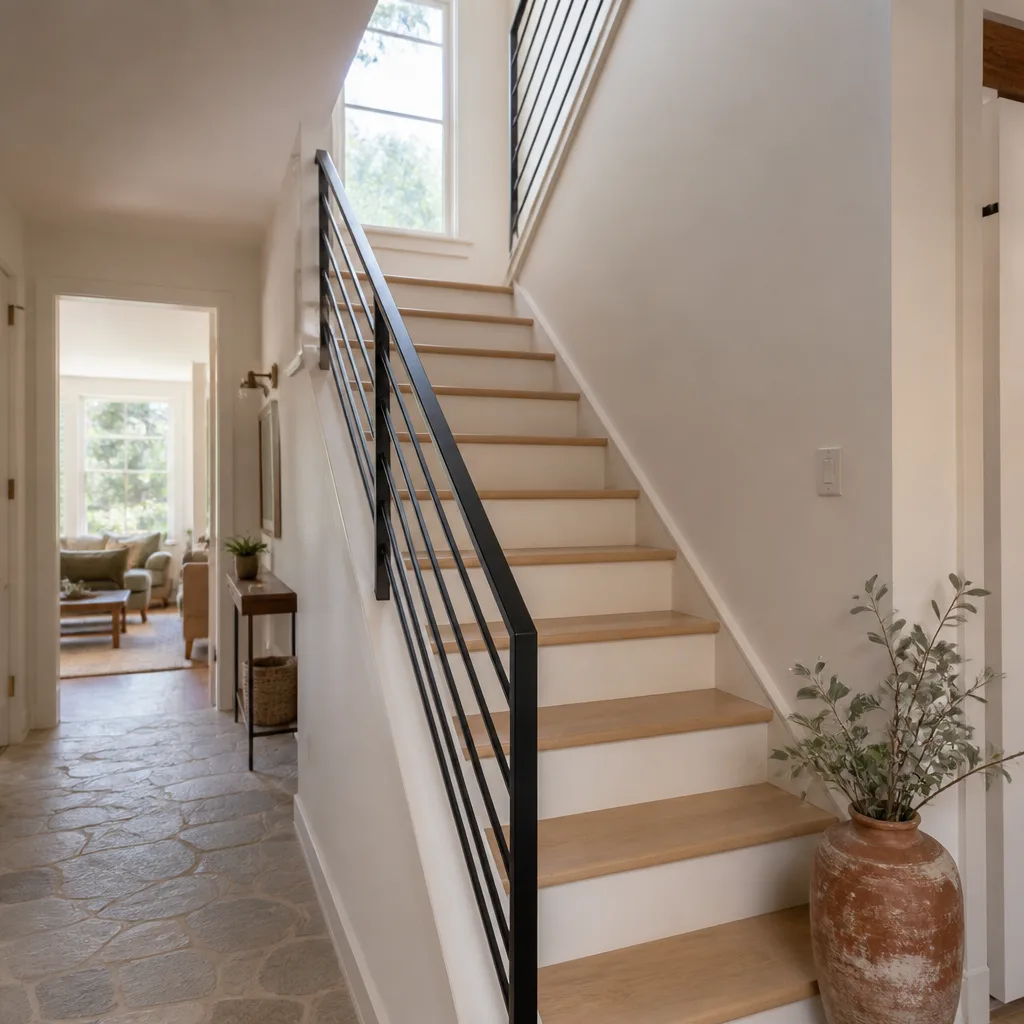
Hiring a construction contractor in Santa Clarita is learnable. It’s not a black box. The process comes down to verification, specificity, and written agreements: verify the CSLB license and classification, demand a scope of work that names every material and brand, convert every allowance into a named product with a SKU, confirm the California-required contract terms are present, run the six-question interview, and structure payments so you’re never paying for work that hasn’t been done. The written word is the protection. The named material is the promise. The specific scope is the difference between a job done once and a job you’re still paying for three years later. We’ve built bathroom remodels and kitchens across this valley. We know what the contracts here look like when they fail. We also know what they look like when they work. Do the reading. It’s worth every minute.
Written by Graham Stein, Owner at Elmstead Remodeling Santa Clarita, serving Santa Clarita since 2005.
See the difference
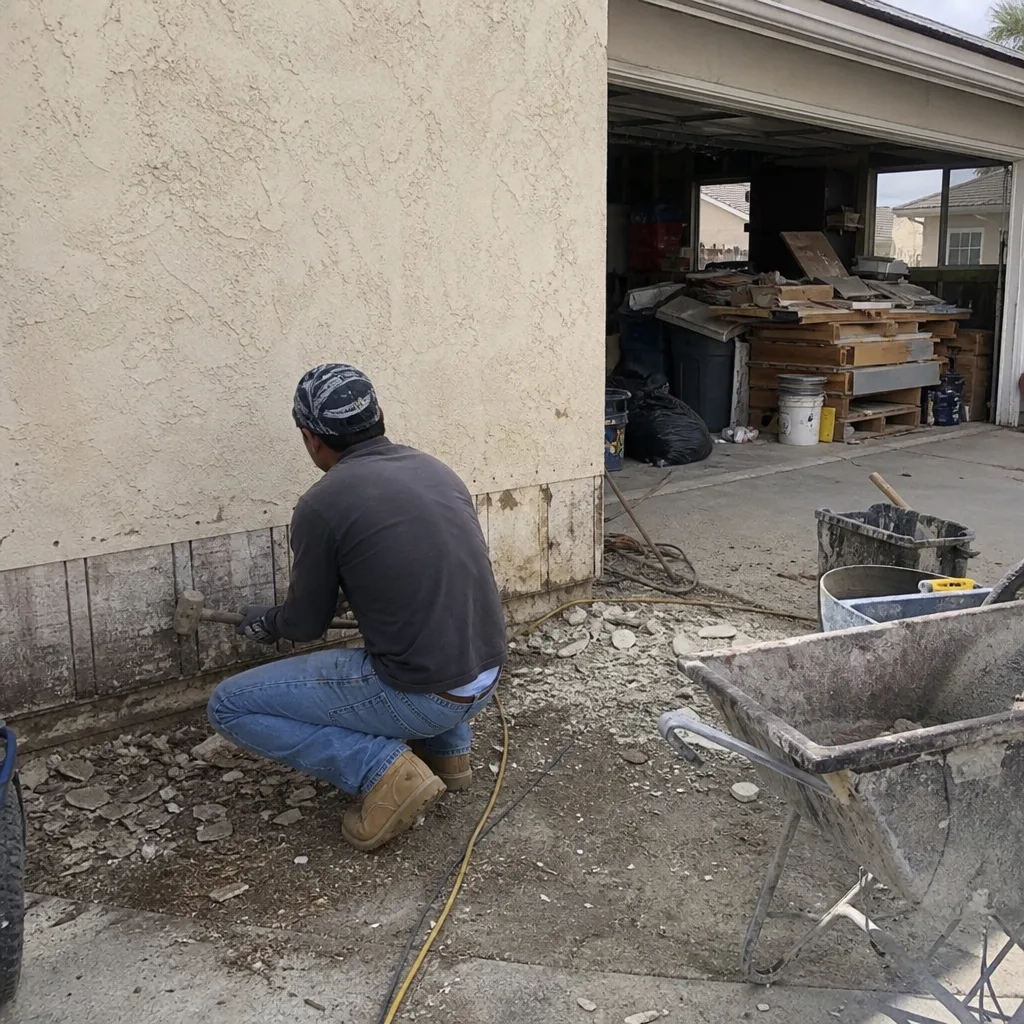 Before
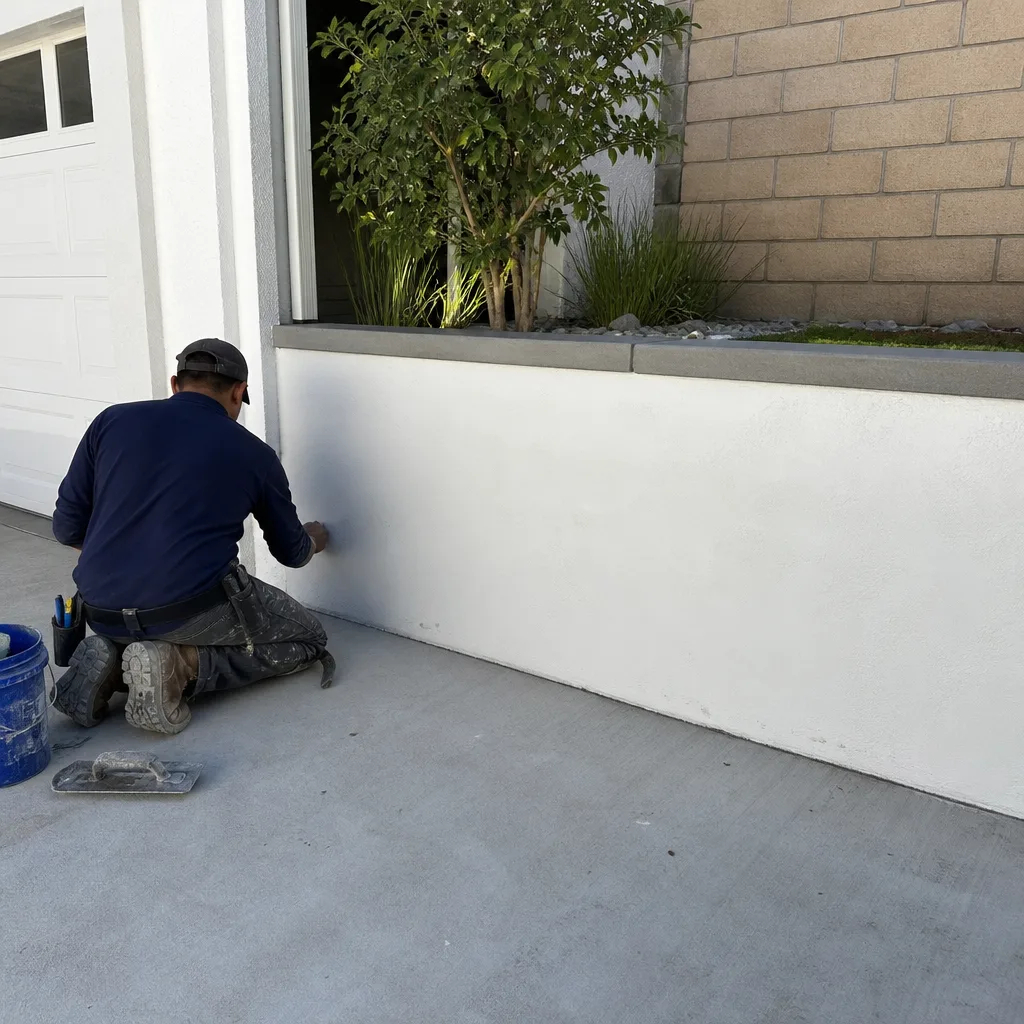 After
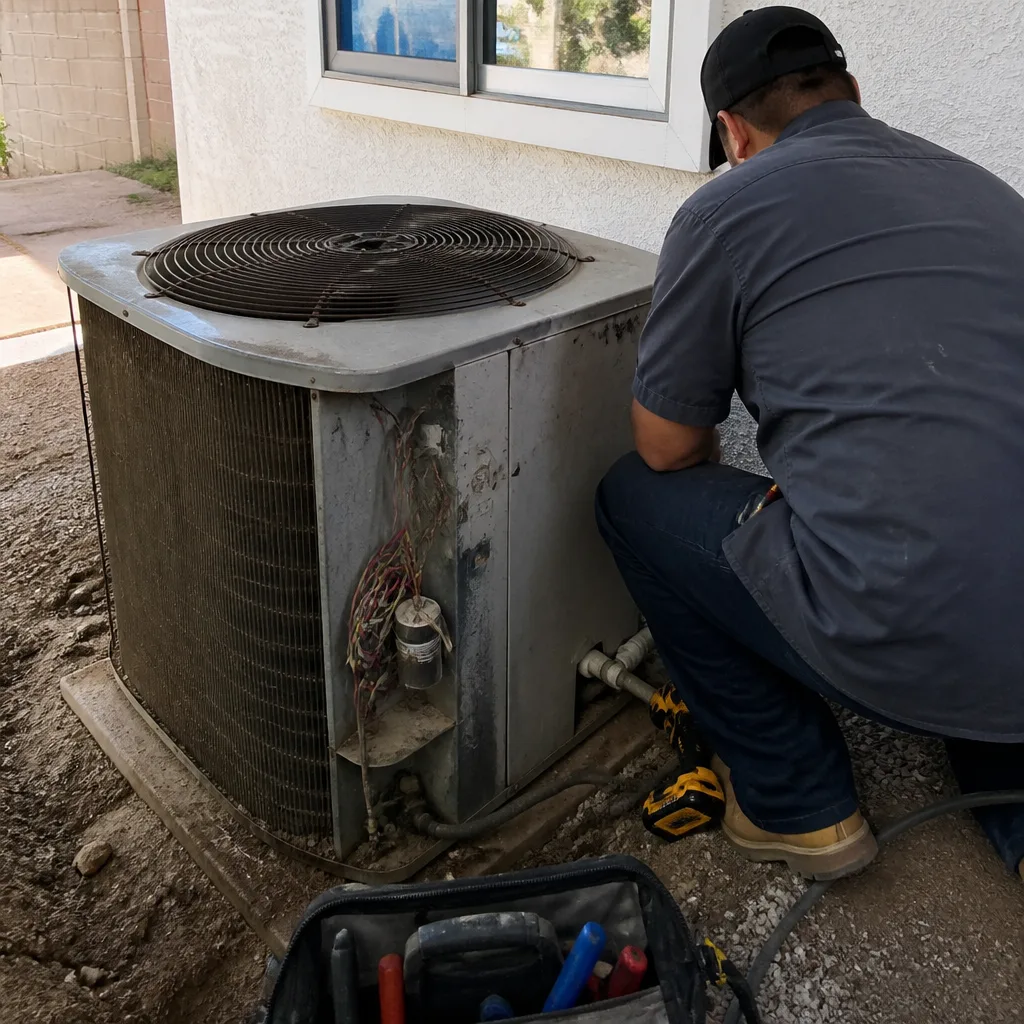 Before
 After
 Before
 After