Last updated October 15, 2026
Free written scope consultation - allowances, timeline, and change-order rules on paper before a single trade is scheduled
Seasonal Construction Care for Santa Clarita: Year-Round Homeowner’s Guide
Most remodeling advice written for a national audience assumes four seasons: a winter freeze that halts concrete work, a spring thaw that triggers roof leaks, a humid summer that slows paint drying, and a crisp fall that opens a perfect construction window. Santa Clarita does not work that way. This valley, carved east to west through the Santa Clarita Valley basin, produces its own rhythm: extreme surface temperatures on south-facing walls, Santa Ana wind events that can pause exterior work for a week at a time, and two distinct shoulder windows when the local permit offices and subcontractor schedules actually align. What follows is a working homeowner’s map of that cycle, written from years of scheduling kitchens, bathrooms, and whole-home projects across Valencia, Canyon Country, Saugus, and Newhall; for a deeper dive, see our Complete Guide to Construction in Santa Clarita. You’ll learn which months protect exterior coatings, when an open wall is a liability, and how a written weather-hold clause in your contract prevents surprise delay charges when the wind picks up.
Styles & brands we work with

Quick Answer
The best time to remodel in Santa Clarita depends on the scope: schedule exterior work (paint, stucco, siding, roofing, windows) during the two shoulder windows from mid-March through May and October when wall-surface temperatures sit within manufacturer spec and Santa Ana winds are less frequent, while interior work (kitchens, bathrooms, flooring) can proceed year-round if the project is phased to keep one functional area of the house intact during summer months when families rely on the yard and the grill.
Table of Contents
- The Two Stress Periods: Peak Heat and Santa Ana Wind
- Surface Temperature vs. Air Temperature: What the Thermometer Misses
- The Two Shoulder Windows: Mid-March to May, and October
- How Santa Ana Winds Affect Drywall, Open Walls, and Window Installation
- Indoor Projects and the Summer Kitchen Problem
- The Written Weather-Hold Clause: Your Protection Against Delay Charges
- Month-by-Month Santa Clarita Construction Calendar
- Common Mistakes to Avoid
- When to Call a Professional
- Frequently Asked Questions
- The Bottom Line
The Two Stress Periods: Peak Heat and Santa Ana Wind
Santa Clarita does not have four construction seasons. It has two stress periods and two working windows, and understanding that distinction changes how a project gets scheduled. The first stress period runs from June through September, when ambient temperatures routinely cross 95°F and south-facing stucco surfaces can read 30 to 40 degrees higher than the air. The second runs from October through March, when Santa Ana wind events arrive with gusts exceeding 40 mph, stripping moisture from freshly applied coatings, blowing debris into open wall cavities, and turning a staged window installation into a hazard.
These stress periods are not uniform. A July morning at 7 a.m. can be perfectly workable for interior demolition, while a south-facing exterior paint job at 2 p.m. the same day violates the application-temperature window printed on the coating manufacturer’s technical data sheet. A January Santa Ana event can pause exterior siding work for five days, then pass and leave calm, dry weather behind. The skill in Santa Clarita construction scheduling sits in reading these micro-windows, not in treating a whole month as good or bad.
What This Means for Homeowners
- Exterior coating and membrane work needs surface-temperature monitoring, not just a glance at the forecast.
- Interior work can proceed through both stress periods if dust containment and sequencing are planned around wind events.
- The general contractor in Santa Clarita you hire should name these conditions in the schedule before the job starts, not discover them after the crew arrives.
In our experience across the Santa Clarita Valley, the homeowners who get the best results are the ones who plan their exterior scope for the shoulder windows and keep interior scope flexible enough to move through the stress periods without conflict. A kitchen remodeling project in Santa Clarita can run comfortably through August if the family keeps the outdoor grill and a temporary sink station functional, while a full exterior repaint scheduled for August will fight the thermometer every afternoon.
Surface Temperature vs. Air Temperature: What the Thermometer Misses
The most common scheduling mistake in Santa Clarita construction is treating the forecast temperature as the number that matters. Air temperature is the reading on the weather app. Surface temperature is the reading on the wall, the roof deck, the concrete slab, or the window frame, and it can be dramatically higher. In the east-west canyon orientation of the Santa Clarita Valley, south-facing stucco walls absorb direct sunlight from late morning through late afternoon. From June through September, an air temperature of 92°F routinely produces wall-surface readings of 125°F to 135°F on those exposures.
Why this matters for specific trades:
- Exterior paint and coatings: Most manufacturer specifications require application when the surface temperature is between 50°F and 90°F. A south-facing wall at 125°F falls outside that window. Paint applied to an overheated surface can flash-dry, losing adhesion, and blister within one season or even months.
- Roofing and membrane products: Self-adhered membranes and asphalt-based products soften on hot roof decks, complicating installation and reducing bond strength.
- Concrete and mortar: High surface temperatures accelerate water evaporation during curing, which weakens the finished slab or masonry joint. Contractors working in Santa Clarita during summer either wet-cure, add set retarders, or reschedule to early morning pours.
Which Months Produce Readings Above Spec?
In the Santa Clarita market, south-facing wall-surface readings above 90°F typically appear by mid-June and persist through mid-September. East-facing walls exceed spec in the morning; west-facing walls exceed spec in the late afternoon. The safe windows during this period are early morning (before 9 a.m.) and late evening (after 6 p.m.), but few exterior coating crews will schedule work into dusk because the dew point in this valley rises quickly after sunset. The practical conclusion: exterior coating work on exposed walls should be scheduled outside the June-through-September heat window or timed carefully within it with a contractor who checks surface temperatures with an infrared thermometer before opening a can.
The Two Shoulder Windows: Mid-March to May, and October
The Santa Clarita construction calendar has two windows when exterior work is comfortable and predictable: mid-March through May, and October. These are the weeks when surface temperatures stay within manufacturer spec during working hours, Santa Ana wind events are less statistically frequent, and the local permitting apparatus in the city of Santa Clarita is processing applications without the summer backlog; see Construction Permits, Codes & Inspections in CA: What You Need to Know for details on the permitting process.
Why Mid-March Through May Works
By mid-March, overnight temperatures in Santa Clarita have climbed out of the frost range that can complicate concrete and stucco work, and the afternoon heat has not yet arrived. The soil is settled from winter moisture, which helps with foundation-adjacent work and drainage projects. The Santa Ana season is winding down. The permit office is not yet processing the summer rush of homeowner projects. Subcontractors, especially exterior crews, are booking work but have not reached the July and August oversubscription that forces homeowners to wait four to six weeks for a paint crew or a stucco patch.
Why October Works
October is the second shoulder window. The summer heat has broken enough that south-facing surfaces read within manufacturer spec by early morning and often all day. The Santa Ana season has not yet reached its peak (which historically concentrates from November through January). And for families planning a bathroom remodeling project in Santa Clarita, October offers a comfortable window to complete interior installations before the holiday season, when the family hosts guests and needs the house functional.
The trade-off: October is a shorter window than spring. A single extended Santa Ana event in late October can compress the calendar. The contractor who writes the weather-hold provision into the schedule (see below) will handle that compression honestly; the contractor who does not will call mid-event with vague delay explanations and no clear restart date.
How Santa Ana Winds Affect Drywall, Open Walls, and Window Installation
Santa Ana wind events are the second stress period in the Santa Clarita construction cycle, and they create three specific problems that most scheduling guides never mention because most scheduling guides are not written by people who work in this valley.
1. Drywall Dust Containment
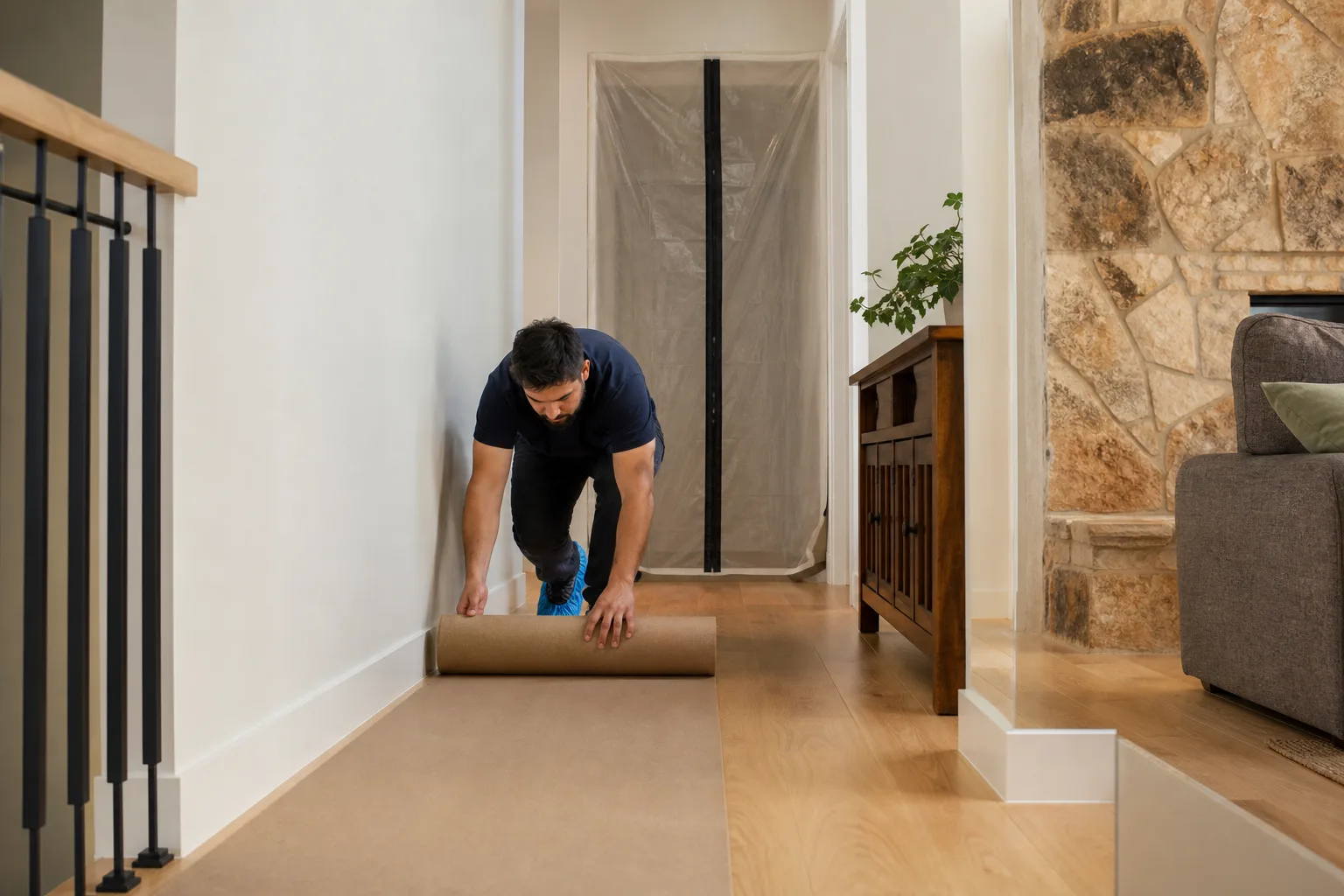
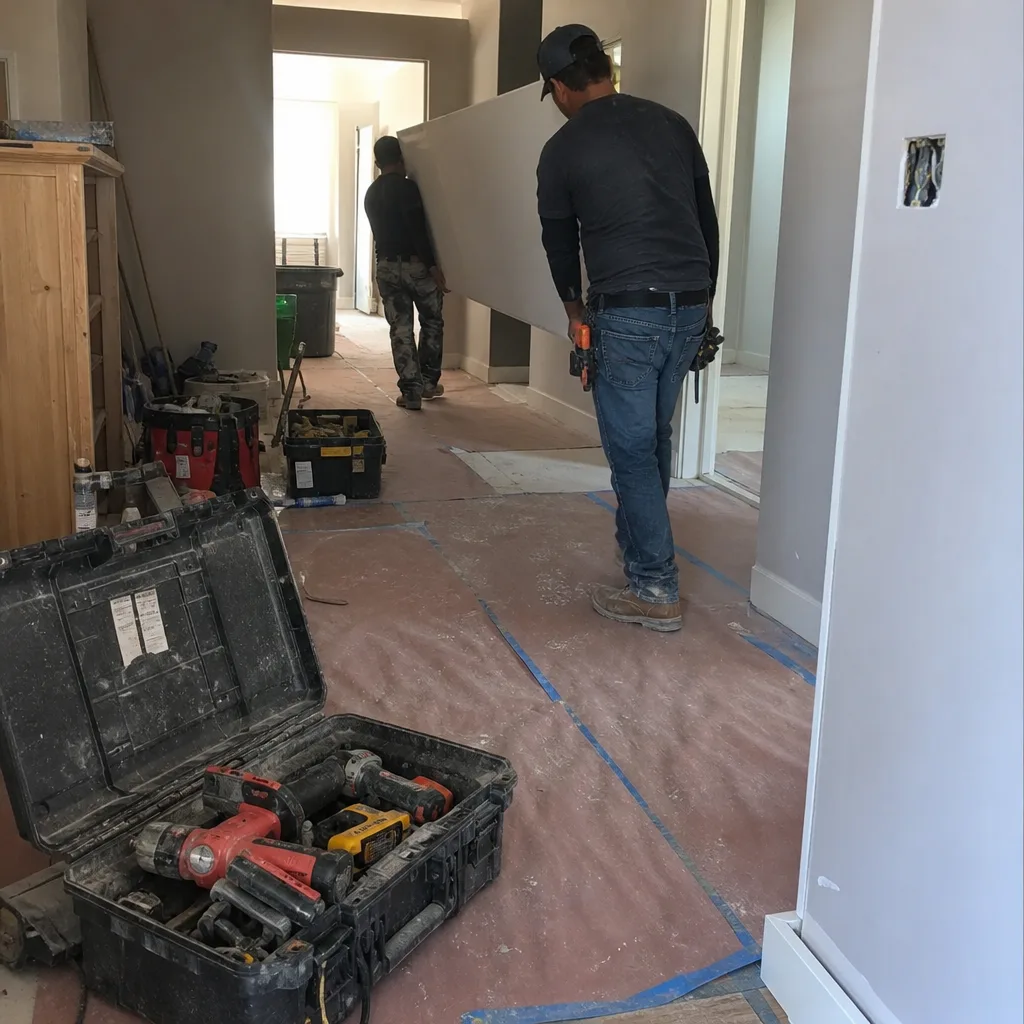
When a crew opens a wall for plumbing, electrical, or insulation work, the job site produces dust. Good contractors hang plastic containment and run negative air pressure to keep that dust out of the living area. During a Santa Ana event, with 40 mph gusts pressing against every gap in the house envelope, containment plastic flexes, tape lets go, and dust migrates into bedrooms and kitchens that were supposed to stay clean. For families with children with asthma or pets with respiratory sensitivity, this is not a cosmetic problem. The practical answer: schedule open-wall work with an awareness of the seasonal wind pattern, and require the contractor to use heavier containment (10-mil poly instead of 4-mil) during October through March.
2. Open-Wall Scheduling Risk
Opening an exterior wall exposes the house interior to whatever the wind carries. In Santa Clarita during Santa Ana season, that is fine particulate matter, dry leaves, and occasionally embers from fires in the surrounding hills. A wall left open overnight during a wind event is a liability. The best Santa Clarita contractors sequence open-wall work to be closed and sheathed by end of day, even if that slows the job.
3. Window and Door Installation Sequencing
Window and door flashing products (from brands like PGT and CGI, for example, both of which manufacture impact-rated products common in this market) require clean, dry, calm conditions to bond correctly. Flashing tapes applied during a Santa Ana event will not seal properly if dust collects on the substrate between prepping and sticking. The sequence matters too: if a crew removes an old window and the Santa Ana picks up before the new CWS or Boral frame is installed, the opening becomes a wind tunnel. Experienced Santa Clarita crews will check the wind forecast and defer window removals when gusts are predicted above 25 mph.
Indoor Projects and the Summer Kitchen Problem
Summer in Santa Clarita changes how families use their houses. From June through September, the indoor heat pushes life outside: the patio for breakfast, the pool in the afternoon, the grill for dinner. A full kitchen demolition in July eliminates the one indoor room a family uses most during those months, and it removes the backup cooling and water source that makes the rest of the house tolerable.
The fix is phasing. A well-planned kitchen remodeling in Santa Clarita does not require a full gut from day one. Instead, the project can be staged:
- Phase 1 (early summer): Complete demolition in a contained zone. The refrigerator, microwave, and a temporary sink station stay functional. The grill outside is the primary cooking source.
- Phase 2 (mid-summer): Rough electrical, plumbing, and drywall work happens while the family keeps one bathroom and the outdoor living space operational. This is the heaviest indoor disruption, and the contractor should schedule the noisiest work (tile cutting, drywall sanding) during hours the family has agreed on.
- Phase 3 (late summer-early fall): Cabinet installation from KraftMaid or Wellborn, countertop templating and installation from Cambria or Silestone, and plumbing fixture installation from Kohler or Moen bring the kitchen back online just as the outdoor season winds down.
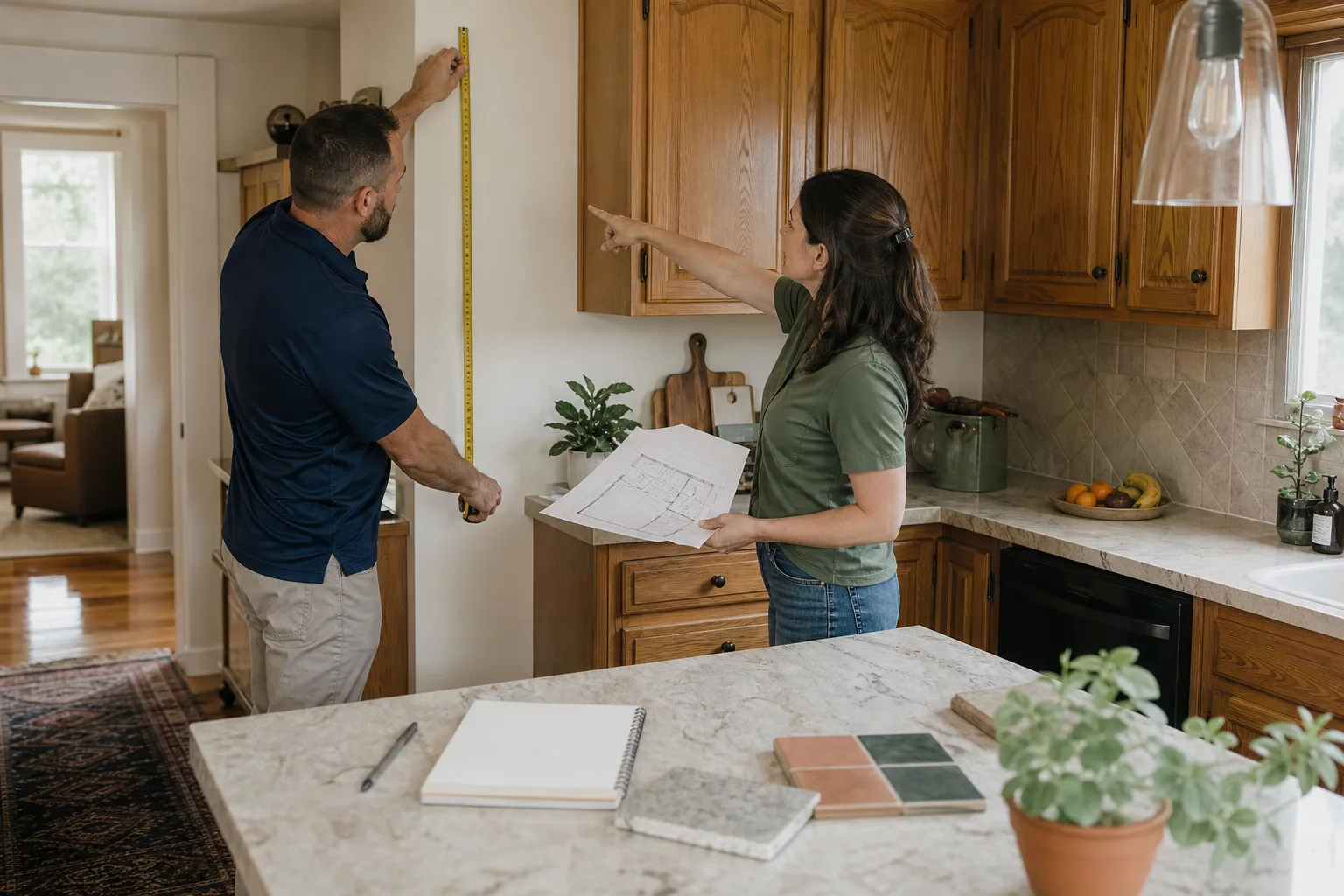
This is the kind of scheduling that works because the contractor thinks about how the family lives, not just about the crew’s production rate. The written schedule names what gets protected and when: the refrigerator location, the temporary sink, the pet-safe path through the house, the quiet-tool hours during nap time.
The Written Weather-Hold Clause: Your Protection Against Delay Charges
Every remodeling contract in Santa Clarita should include a written weather-hold provision that names the specific conditions that pause work and explains exactly what happens to the schedule when they occur. Without this clause, a homeowner is left negotiating delay charges with a contractor after the fact, with no agreed framework. With it, both parties know the rules before the first crew member arrives.
What a Weather-Hold Clause Should Include
- Named conditions: The clause should list the specific triggers: sustained wind speeds above 25 mph during exterior work, surface temperatures outside the manufacturer’s application range for coatings and membranes, rainfall above a stated threshold, and any city of Santa Clarita or county permit office closure that prevents an inspection.
- Restart timeline: The clause should state how quickly work resumes after the condition clears. A common standard is within two working days, with the contractor contacting the homeowner within 24 hours of the condition passing.
- Cost protection: The clause should state that weather holds do not trigger change orders, delay fees, or “standby” charges. A contractor who has scheduled properly, with sequenced crews and material deliveries, will not need to charge the homeowner for weather downtime.
- Extension calculation: The clause should explain that the schedule extends only by the number of actual work days lost, not by a round number or a week per event.
At Elmstead Remodeling Santa Clarita, the written price and the written schedule go together. The price does not change when a Santa Ana event pauses exterior work. The schedule adjusts by the days actually lost. And because the phone is answered by a live person 24/7, a homeowner waiting out a wind event gets a direct answer about when the crew will return, not a voicemail.
Month-by-Month Santa Clarita Construction Calendar
Here is the working calendar we use when we schedule projects across Santa Clarita:
January
Santa Ana season is active. Exterior work is risky. Interior work proceeds well: kitchens, bathrooms, flooring, and whole-home interior remodels are all comfortable. The permit office is processing applications without backlog after the holiday closure. This is a strong month to start interior scope.
February
Santa Ana events remain possible. Exterior work still carries wind risk, but surface temperatures begin to cooperate with some coatings. Interior work remains ideal. This is a good month to order custom cabinets and countertop slabs, which often have lead times of 6 to 10 weeks.
March
The first shoulder window opens mid-month. Exterior paint, stucco, siding (including James Hardie products), and roofing become schedulable. The permit office is still moving quickly. This is the best month of the year to start an exterior or mixed-scope project in Santa Clarita.
April
Prime exterior work continues. Surface temperatures are ideal. Wind risk drops. This is the strongest month for window replacement and exterior coatings. Interior work also proceeds well, though subcontractors begin to book up.
May
The shoulder window begins to close late in the month as afternoon heat arrives. Exterior work is still possible with early starts. This is the last reliable month before the summer stress period. Good month for finishing exterior projects and transitioning to interior work.
June
Heat stress begins. South-facing surface temperatures exceed manufacturer spec by mid-June on most afternoons. Exterior coating work moves to early mornings only. Interior work remains fully schedulable. The summer permit backlog begins.
July
Peak heat. Exterior work is restricted to early mornings and shaded areas; most exterior coating crews will not schedule. Interior work continues but the family should plan for the outdoor-living phasing described above. Permit processing slows.
August
Heat continues. Exterior work remains restricted. Interior work remains viable. This is the most common month for kitchen remodels in Santa Clarita, which is exactly backwards from what the climate would prefer, but proper phasing makes it workable.
September
Heat begins to break in the second half of the month. Late September can offer early exterior opportunities, especially on north-facing and east-facing walls. The permit office clears the summer backlog. A good month to finalize plans for fall work.
October
The second shoulder window. Exterior work is fully schedulable. Surface temperatures are within spec all day on most days. Santa Ana risk is present but typically lower than November through January. This is the best fall month to complete exterior scope before the holiday season.
November
Santa Ana season returns. Exterior work becomes weather-dependent. Interior work continues well, though the family may want the house functional for holidays. Best month for smaller interior scope items: a bathroom vanity replacement, a tile backsplash, a flooring upgrade.
December
Wind risk continues. Exterior work is unpredictable. Interior work continues but most families pause for the holiday season. This is a good month for planning and design work: material selections, written price agreements, and permit application preparation for a spring start; our Construction Cost Breakdown: The Santa Clarita Homeowner’s Reference for 2026 can help with budgeting.
Common Mistakes to Avoid
- Scheduling exterior paint for July or August. The south-facing stucco walls common in Valencia and Canyon Country will read far above the manufacturer’s application window on summer afternoons. Paint applied in those conditions blisters, and the manufacturer warranty will not cover it.
- Treating the air temperature as the surface temperature. A 90°F forecast can mean a 125°F wall. Always ask whether the contractor checks surface readings with an infrared thermometer before starting exterior coating work.
- Opening an exterior wall during Santa Ana season without end-of-day closure. A wall left open overnight in a wind event invites dust, debris, and whatever the wind carries into the house. The schedule should require same-day sheathing.
- Remodeling the only full kitchen in July. When the outdoor living space is most needed, eliminating the indoor cooking and water station makes the whole summer harder. Phase the work to keep a refrigerator and sink functional.
- Accepting a contract without a written weather-hold clause. Without named conditions and a restart timeline, a Santa Ana pause becomes a negotiation rather than a documented process. The price should not move when the wind blows.
- Scheduling window replacement during peak Santa Ana season. A window opening left exposed when gusts arrive turns the house into a wind tunnel and compromises the flashing seal. Sequence window work for calm days, not ambition.
- Assuming the permit office runs at the same speed year-round. Summer applications in Santa Clarita face a backlog that spring and fall applications do not. Filing in January for a March start, or in August for an October start, changes the project timeline materially.
When to Call a Professional
Some seasonal questions answer themselves. If you are repainting your bathroom walls, a careful weekend paint job works fine. But when the project involves exterior coatings on south-facing stucco, structural work that requires permits, any plumbing or electrical that touches the walls, or a full kitchen or bathroom replacement, the seasonal variables stack. A professional contractor in Santa Clarita will have the infrared surface thermometer, the weather-hold clause, the phased schedule, and the relationships with manufacturers whose products (from KraftMaid cabinets to Cambria countertops to James Hardie siding) come with warranty requirements that the crew already understands. For more guides & resources, visit our blog; Elmstead Remodeling Santa Clarita offers free estimates in Santa Clarita. Call (661) 542-4056 to schedule a written assessment of your project and the seasonal window that fits it.
Frequently Asked Questions
The best time to remodel in Santa Clarita is mid-March through May for exterior work and October for exterior work that missed the spring window, while interior remodeling like kitchens and bathrooms can proceed year-round with proper phasing. Exterior work scheduled outside these shoulder windows fights surface temperatures above manufacturer spec in summer and Santa Ana winds in late fall and winter.
South-facing stucco walls in Santa Clarita routinely reach 125°F to 135°F during June through September afternoons, even when the air temperature reads 92°F, because the east-west canyon orientation gives those walls direct sun for most of the day. That surface temperature exceeds the application window on most exterior paint and coating products.
Yes, a kitchen remodel can proceed through a Santa Clarita summer if the project is phased to keep the refrigerator, a temporary sink, and the outdoor grill functional while the heavy interior work happens. The contractor should schedule noisy work during agreed quiet hours and contain dust with heavier plastic during wind events.
Santa Ana winds delay exterior projects in Santa Clarita when gusts exceed 25 mph, which can last for days at a time from October through March. A properly written contract includes a weather-hold clause that names wind speed as a trigger, extends only by the days actually lost, and does not charge the homeowner a delay fee.
A weather-hold clause in a Santa Clarita remodeling contract should name the specific wind and temperature triggers, state the restart timeline (typically within two working days), confirm that no change order or delay fee applies, and calculate schedule extension by actual work days lost rather than a round number. The written price stays the same when the wind pauses the work.
Most exterior paint warranties fail in Santa Clarita because the paint was applied to a surface hotter than the manufacturer’s allowed range, which happens on south-facing walls every summer afternoon. The coating flash-dries on contact, and the resulting blistering is not covered by the warranty because the application conditions violated the manufacturer’s technical data sheet.
Custom and semi-custom cabinets from manufacturers like KraftMaid and Wellborn and fabricated countertops from Cambria, Silestone, or Caesarstone typically have lead times of 6 to 10 weeks in the Santa Clarita market. Ordering in February positions a spring installation; ordering in August positions an October installation that clears before the holidays.
Santa Clarita permit applications move faster when filed between September and February, before the summer homeowner rush builds the application backlog. Filing in January for a March start, or in August for an October start, keeps the project aligned with the shoulder windows and the faster processing windows.
The Bottom Line
Santa Clarita construction has a rhythm: heat stress from June through September, wind stress from October through March, and two shoulder windows in mid-March through May and October where exterior work fits the climate comfortably. Interior remodeling can run year-round when it is phased to keep one functional area of the house intact, and every project should carry a written weather-hold clause so the price and the schedule survive the first Santa Ana event. The contractors who work this valley well name these conditions before the job starts, give a written price before any work begins, and leave the house cleaner than they found it. That is the standard we hold at Elmstead Remodeling Santa Clarita. Call (661) 542-4056 for a free estimate and a written assessment of your project’s seasonal window.
Written by Graham Stein, Owner at Elmstead Remodeling Santa Clarita, serving Santa Clarita since 2005.
See the difference
 Before
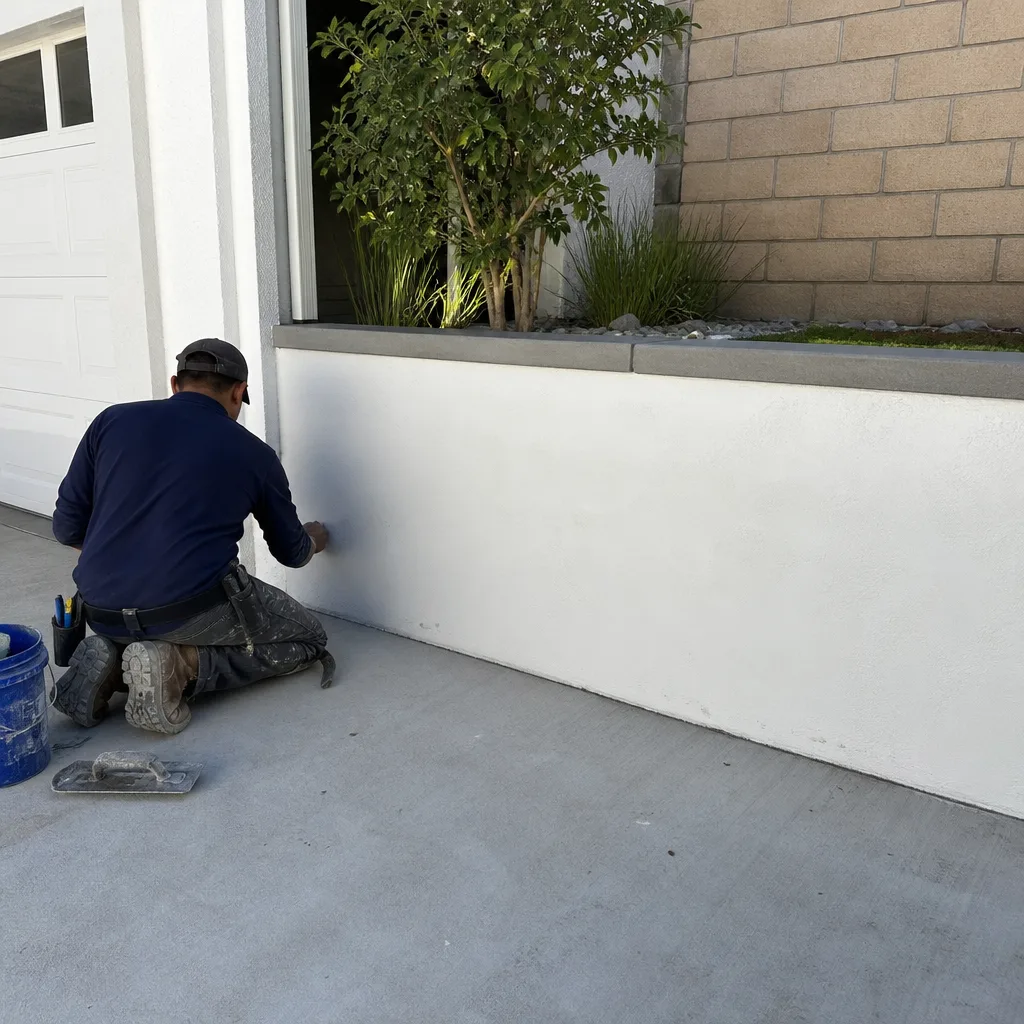 After
After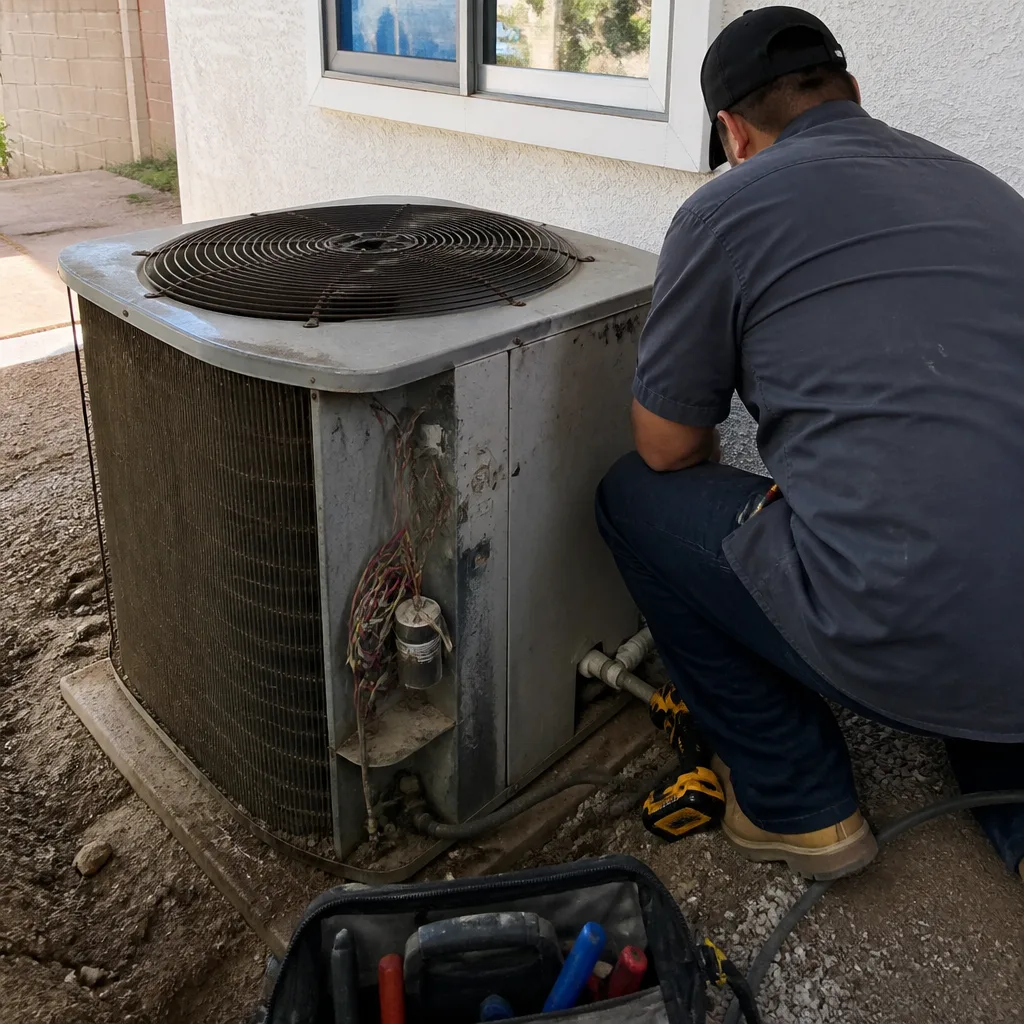 Before
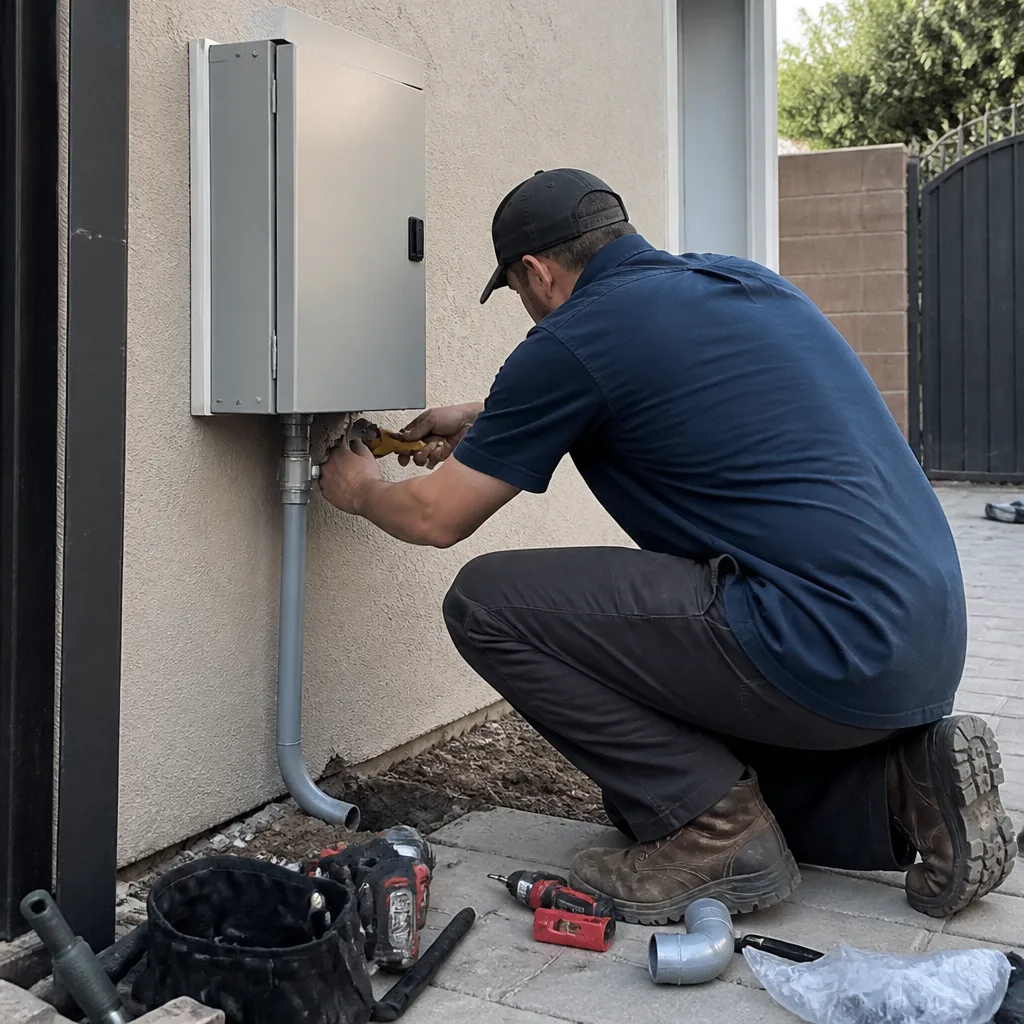 After
After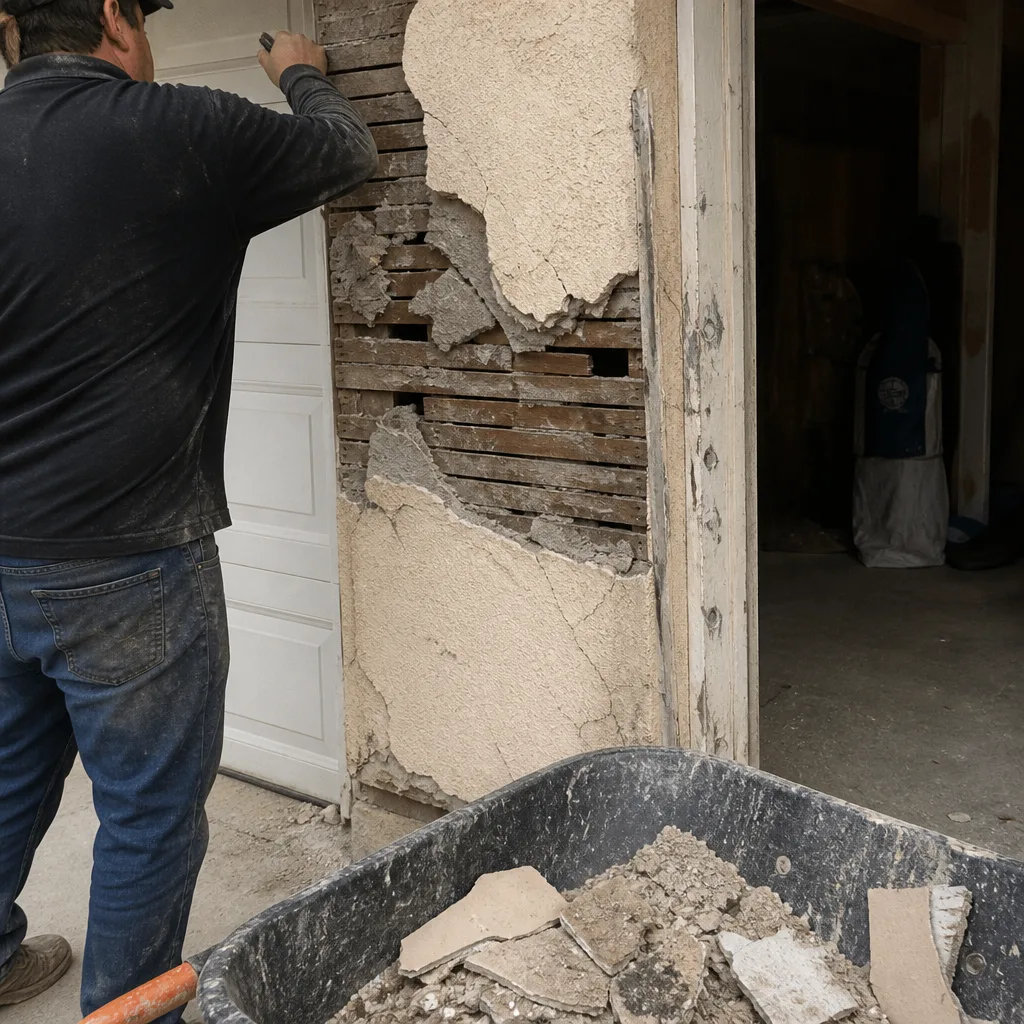 Before
 After
After