Last updated October 15, 2026








Free written scope consultation - allowances, timeline, and change-order rules on paper before a single trade is scheduled
Construction Warning Signs: A Santa Clarita Homeowner’s Reference Guide
The California Contractors State License Board (CSLB) fields tens of thousands of complaints every year. The most common complaint is not that a wall fell down or a pipe burst. It’s that the finished project does not match what the homeowner believed they were paying for. In Santa Clarita, where homes range from 1970s ranchers in Canyon Country to newer builds in Valencia and Stevenson Ranch, that gap almost always traces back to one thing: what was written down before the first hammer swung. This guide teaches you to spot the quiet signals, the procedural gaps and vague phrases, that predict trouble long before it arrives.
Quick Answer
In Santa Clarita, the most reliable warning signs of a bad contractor are procedural, not dramatic: a verbal price instead of a written scope, a request for more than 10% or $1,000 as a deposit, a materials list that says “equivalent product” instead of a named brand, and a warranty that exists as a sentence instead of a signed document. Each of these has a specific question that resolves it. Ask the question before you sign, and the answer will tell you almost everything you need to know. For a deeper look at this decision process, see our DIY vs Professional Construction: The Santa Clarita Homeowner’s Decision Guide.
Styles & brands we work with
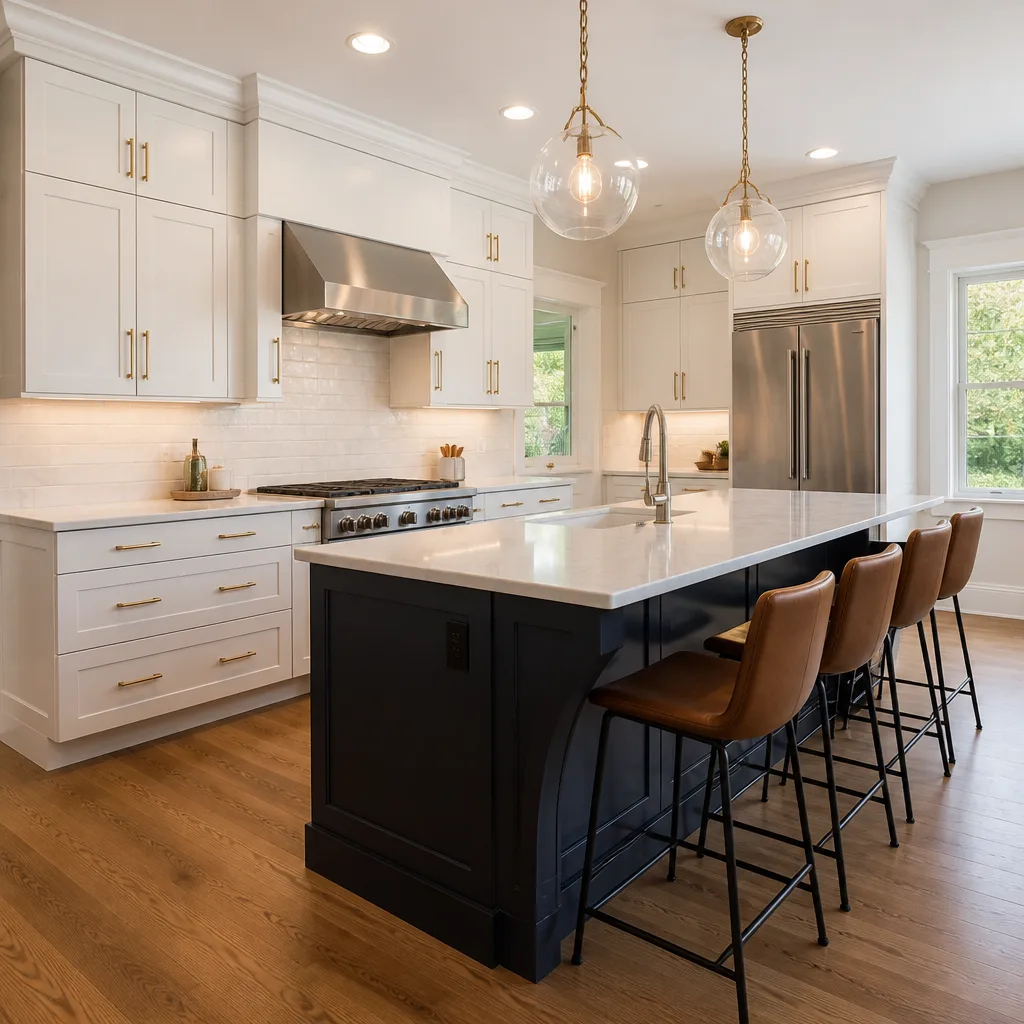
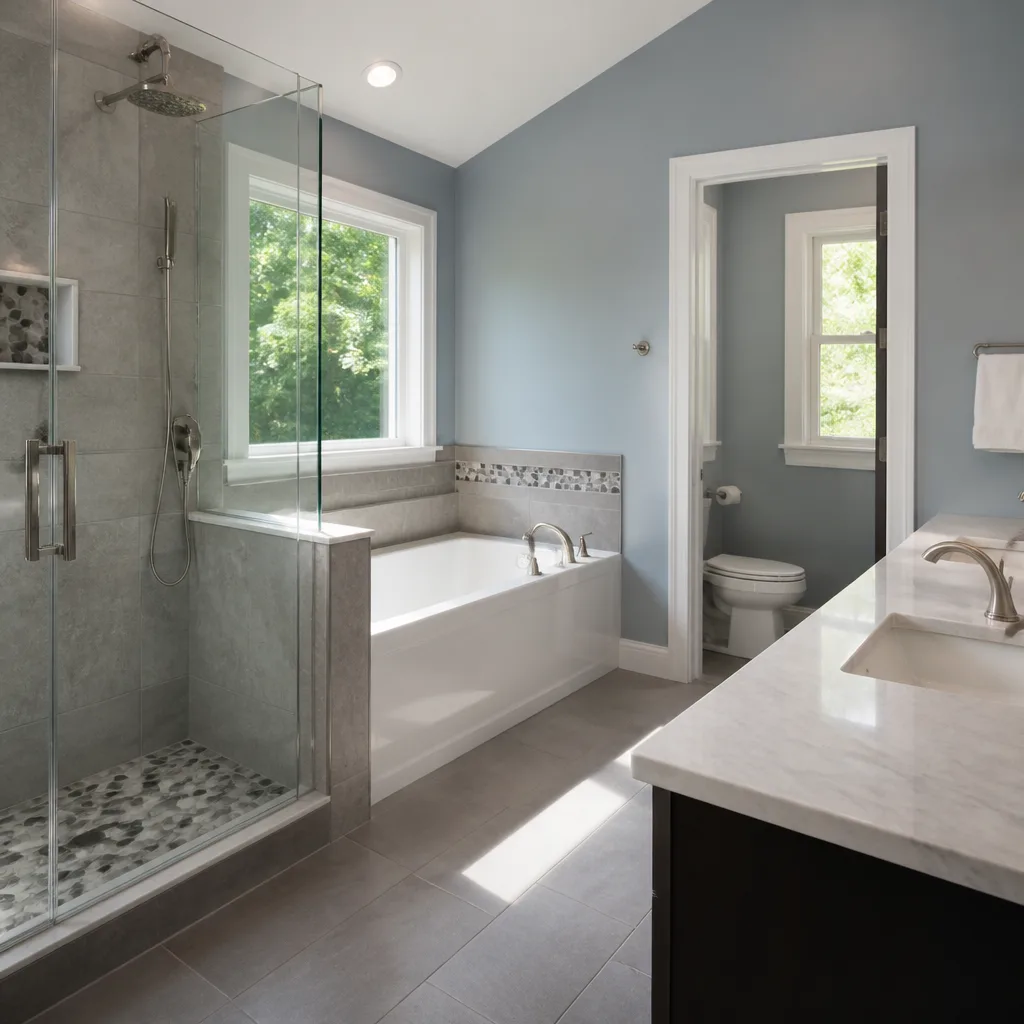



Table of Contents
- 1. The Large Cash Deposit Warning: What California Law Actually Says
- 2. “We’ll Pull Permits Later” and Other Phrases That Create Legal Exposure
- 3. Allowance-Padded Bids: How to Read a Materials List Like a Contractor
- 4. When the Person You Hired Isn’t the Person on Site
- 5. Warranty Statements vs. Written Promises: The Difference That Matters
- 6. The Written Scope: Your Single Best Protection in Santa Clarita
- 7. Mechanics Liens and Final Payments: What Santa Clarita Homeowners Miss
- 8. Change Orders: When a Small Change Becomes a Big Bill
1. The Large Cash Deposit Warning: What California Law Actually Says
California Business and Professions Code Section 7159 sets a hard ceiling on what a contractor can ask for upfront. The maximum initial deposit for any home improvement project, including every remodeling job in Santa Clarita, is 10% of the contract price or $1,000, whichever is less. If a contractor asks for 30% or 50% before work starts, they are asking for something the law does not allow. That is not a gray area. That is a citation-worthy violation.
We’ve walked into kitchens in Valencia where homeowners handed over $12,000 before a single cabinet was ordered. The cabinets never arrived. The crew stopped answering the phone. The homeowners later learned the contractor had no license, no bond, and no way to be reached. The deposit was gone. This happens in Santa Clarita more often than anyone wants to admit, and it almost always starts the same way: a large deposit request paired with a story about needing to “lock in material prices” or “secure the crew’s time.”
Here’s what to watch for:
- A deposit request above $1,000 on a job under $10,000. That is the statutory cap. No exceptions.
- A request for cash, a wire transfer, or a check made out to a person rather than a company name. All three make recovery nearly impossible.
- A contractor who says the deposit is “standard practice” for their industry. Standard practice in California is the 10% / $1,000 cap. Nothing more.
- A refusal to put the deposit amount and what it buys in writing. If the deposit buys materials, the contract should name those materials.
The question that resolves this warning sign: “Can you point me to the California code that allows this deposit, and will you put the exact amount and what it purchases in writing before I pay it?” A licensed, ethical contractor in Santa Clarita will answer without hesitation. A contractor who gets defensive or vague has just told you everything you need to know. At Elmstead Remodeling Santa Clarita home, the written price before any work starts includes exactly which materials are being purchased and when they are ordered. No deposits above the legal cap. Ever.
2. “We’ll Pull Permits Later” and Other Phrases That Create Legal Exposure
Suggested reading: General Contractor in Santa Clarita for how proper permitting fits into the full project timeline.
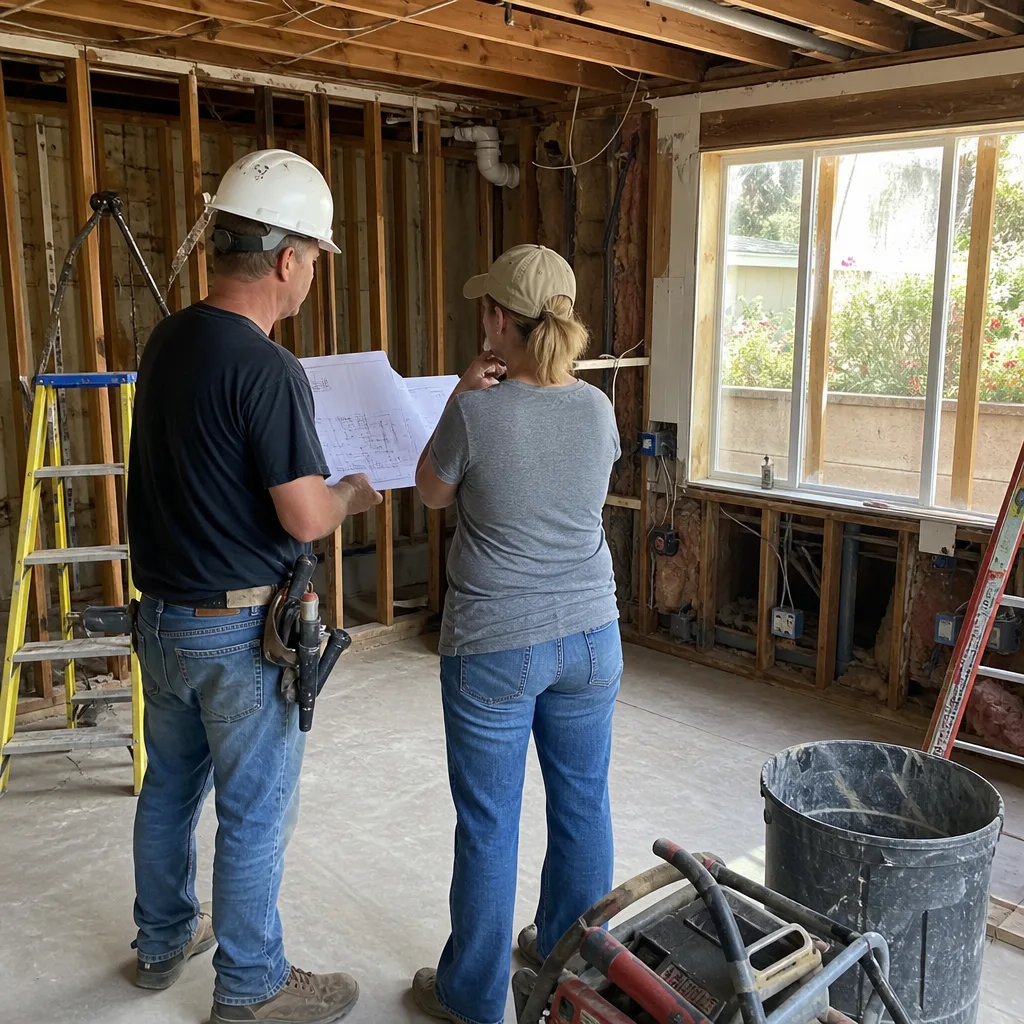
In Santa Clarita, the City’s Building & Safety Division reviews plans, issues permits, and conducts inspections for nearly every structural, electrical, plumbing, and mechanical change. Working without a permit is not a paperwork detail. It is a legal exposure that lands on the homeowner, not just the contractor. When work is done without permits, the homeowner can face code enforcement actions, difficulty selling the home, and insurance claims denied because the work was never inspected or approved.
Two phrases should stop you immediately. The first is “we’ll pull permits later.” Permits are pulled before work begins, not after. The second is “you could pull the permits yourself as the homeowner.” While a homeowner can legally pull an owner-builder permit, doing so shifts significant liability onto the homeowner, including workers’ compensation obligations for anyone injured on site and responsibility for code compliance. A contractor who suggests either approach is asking you to carry risk they should carry themselves.
The questions to ask:
- “Will permits be pulled in your company’s name before work begins, and can I see the permit number?”
- “Who is responsible for scheduling inspections, and will you be on site for them?”
- “Will the final inspection be completed before final payment is due?”
A licensed general contractor in Santa Clarita handles permits as a matter of course. It is part of the job. Anyone who treats it as an afterthought, or suggests you do it yourself to save time or money, is not protecting you. See our How to Hire a Construction Contractor in Santa Clarita: A Step-by-Step Guide for more on vetting candidates.
3. Allowance-Padded Bids: How to Read a Materials List Like a Contractor
The single most common wording trick in a remodeling bid is the word “allowance.” A bid that says “kitchen faucet: $250 allowance” or “tile allowance: $3 per square foot” is not quoting a price. It is quoting a placeholder. When the real tile costs $7 per square foot, the difference becomes a change order, and your final bill grows. The bid looked lower than the competitor’s, but it was never a real number.
The second wording trick is “equivalent product.” A bid that lists “Kohler or equivalent” or “Caesarstone or similar” is a bid that allows the contractor to install whatever is cheapest on the day of purchase. You will not know what you are getting until it is already installed. In our experience in Santa Clarita, homeowners almost never get “equivalent.” They get whatever was on the shelf.
Here is what a fully specified materials list looks like, and what to request in writing instead:
- Named brand and model for every fixture. “Kohler K-596-CP Simplice pull-down faucet” not “quality kitchen faucet.”
- Named surface material with color and finish. “Silestone Eternal Calacatta Gold, 3cm, suede finish” not “quartz countertop.”
- Exact tile with square footage. “12×24 porcelain tile, Daltile Graywood, 140 sq ft” not “bathroom floor tile.”
- Named cabinet line and door style. “KraftMaid Lexington Maple, Dove White paint” not “white shaker cabinets.”
- Named trim, hardware, and plumbing rough-ins. “Moen Brantford in brushed nickel” not “nickel hardware.”
The question that resolves this warning sign: “Will you replace every allowance and every ‘or equivalent’ with a named brand, a model number, and a price in writing before I sign?” If the answer is yes, you are working with someone who prices honestly. If the answer is no, you are working with someone who plans to profit from ambiguity. Our written price at Elmstead Remodeling Santa Clarita names the brands before work starts, including Kitchen Remodeling in Santa Clarita cabinetry from KraftMaid or Wellborn and fixtures from Kohler and Moen. Homeowners can research every product by name before they commit.
4. When the Person You Hired Isn’t the Person on Site
You hired a contractor. You met them, you checked their license, you signed their contract. Then the project starts and a different crew shows up, led by someone you have never met. The person you hired stops answering the phone. The person on site says they work for a subcontractor. This is a structural problem, not a personality conflict.
When a general contractor subcontracts the work, as almost all do for electrical, plumbing, and specialty trades, accountability splits. The subcontractor answers to the GC, not to you. The GC may be on site once a week, or never. If the subcontractor does poor work, your only recourse is through the GC, who may not be answering. If the subcontractor is not paid, they can file a mechanics lien against your property, even though you paid the GC in full. This is the exact scenario that turns a finished bathroom into a legal headache.
In Santa Clarita, where many remodelers run multiple projects across Canyon Country, Saugus, and Valencia simultaneously, the question of who manages the daily site is the most under-asked question in remodeling. Ask it before you sign:
- “Who will be on site every day? Will that person be your employee or a subcontractor?”
- “Will you personally visit the job site, and how often?”
- “How do I reach you directly if something goes wrong, and what is your response time?”
- “What is your process for paying subcontractors, and will you provide lien releases?”
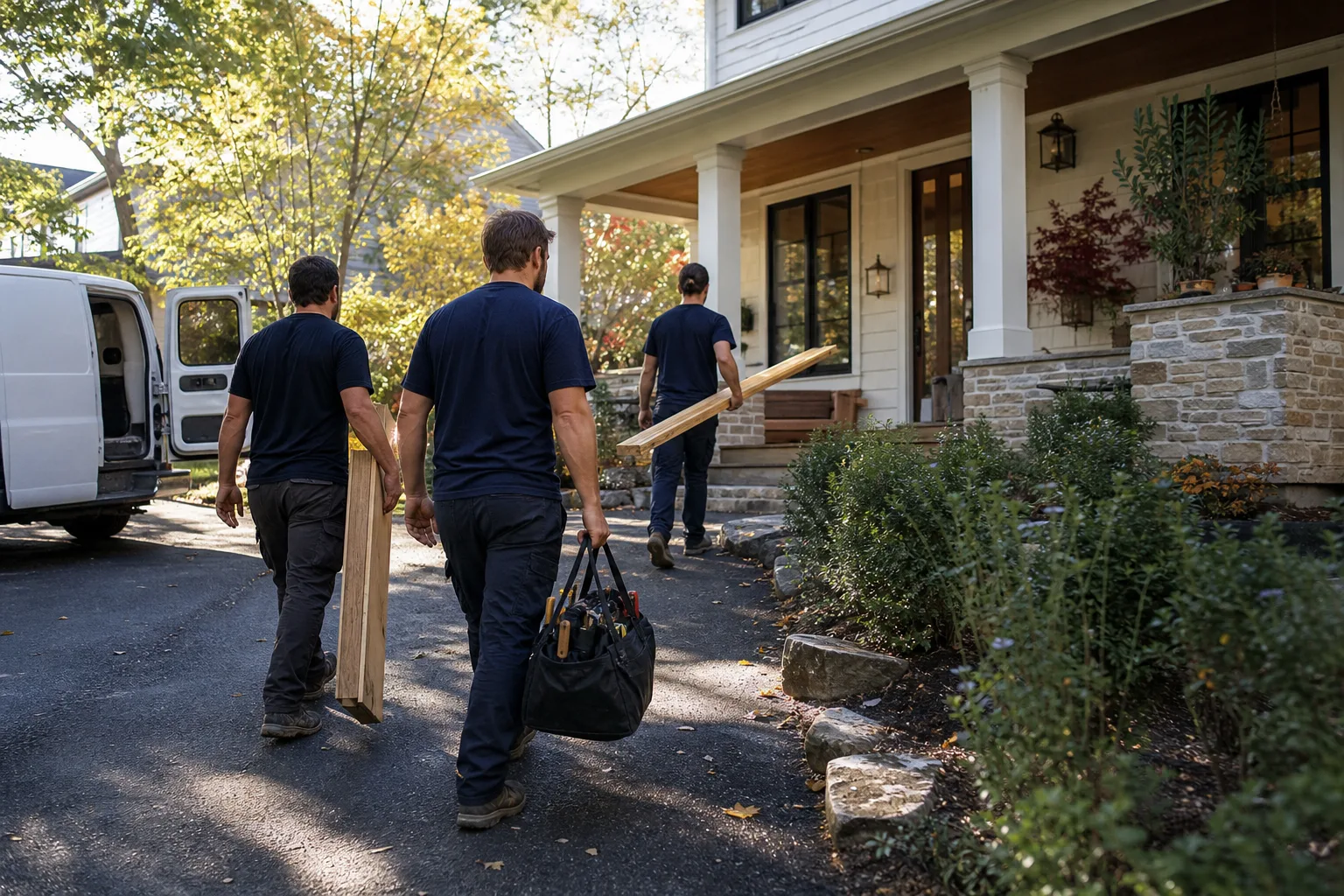
We keep a direct line of accountability on every Bathroom Remodeling in Santa Clarita project: uniformed technicians whose names you know, a live person answering the phone 24/7, and a written record of every trade that touches the house. The person you sign with is the person who answers. That is the whole job.
5. Warranty Statements vs. Written Promises: The Difference That Matters
Almost every contractor says some version of “satisfaction guaranteed.” It sounds good. It means nothing. A sentence in a brochure is not a contractual obligation. A written, dated, signed document that names the work covered, the duration of coverage, and exactly who to call when something fails, that is a warranty. The difference between the two is the difference between a broken cabinet hinge that gets fixed and a broken cabinet hinge that becomes a six-month argument. Our General Contractor Maintenance Checklist for Santa Clarita Homeowners covers what to document from day one.
Here is what a warranty statement looks like: “We stand behind our work. Your satisfaction is our priority.” Here is what a written promise looks like:
“Elmstead Remodeling, a Cedarwell company, promises that all kitchen remodeling work performed at [your address] between March 1, 2026 and May 15, 2026 will be free from defects in workmanship for a period of 365 days following substantial completion. If any installed item fails due to workmanship during that period, Elmstead will repair or replace it at no cost to the homeowner. To make a claim, call (661) 542-4056 and reference the project number on this document.”
The second version names the work, the duration, the remedy, and the phone number. It is signed and dated. It travels with the project. That is what a real warranty looks like. Every Elmstead project carries the 365-Day Done Right Promise: if it is not done right, we make it right. The promise is stamped on the project documents, not suggested in conversation.
The question that resolves this warning sign: “Will you give me a written warranty document that names the covered work, the coverage period, and your phone number, signed and dated before I pay the final invoice?” If the contractor hedges, you have your answer.
6. The Written Scope: Your Single Best Protection in Santa Clarita
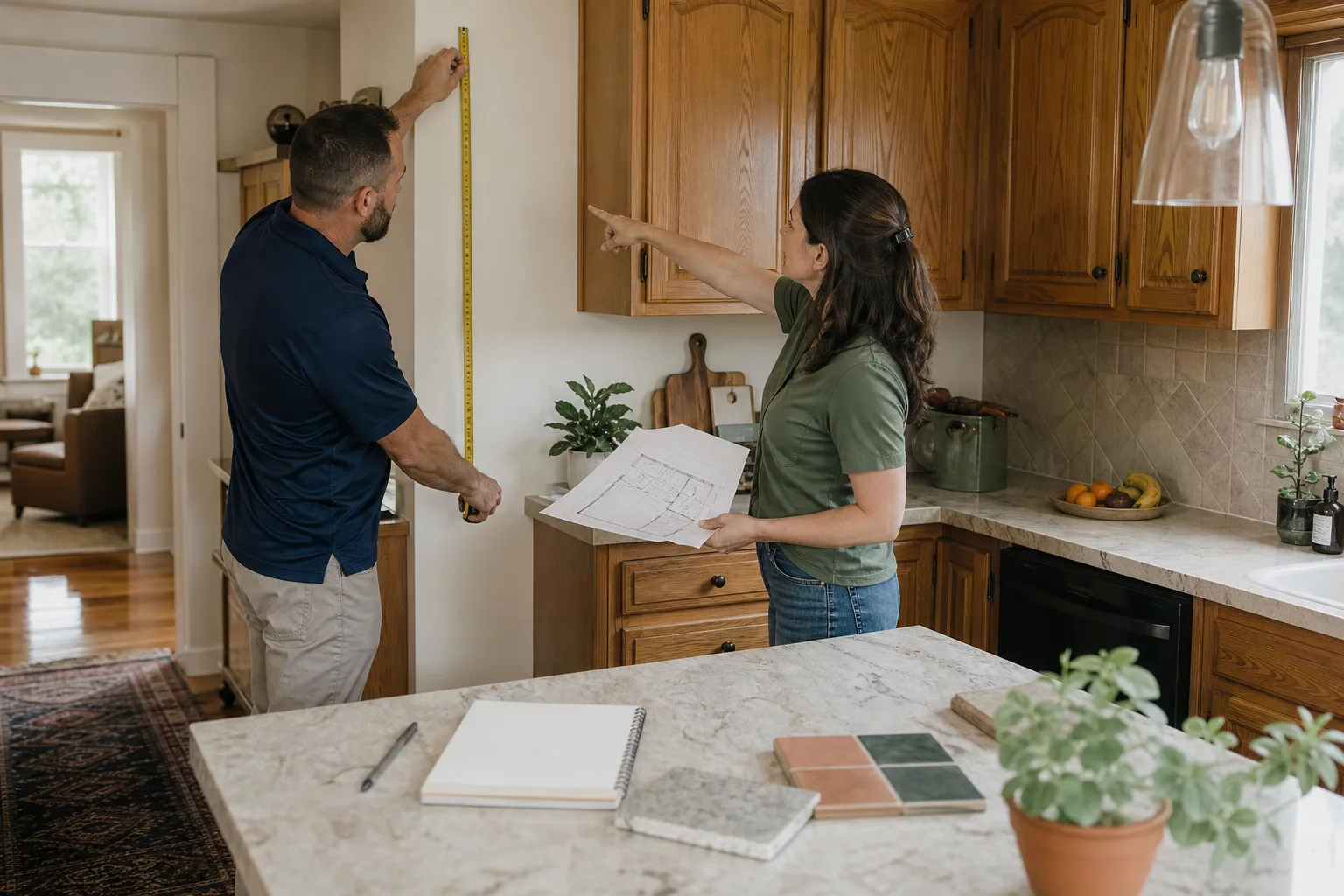
Every warning sign in this guide funnels into one solution: a written scope of work. Not an estimate. Not a proposal summary. A scope. The scope is a document that describes everything the contractor will do, everything they will install, everything they will remove, and everything they will not do. It is written in plain language. It has no “allowances” and no “or equivalent” language. It is signed before any work begins, and it is the document you will reference when a question arises mid-project.
In Santa Clarita, the scope matters more than in most places because the housing stock is varied. A 1980s tract home in Canyon Country has different framing, different plumbing rough-ins, and different electrical panels than a 2015 home in Valencia. A verbal agreement made in a living room does not survive the discovery that the wall you wanted opened contains a structural beam or that the existing subfloor needs replacement. A written scope anticipates these realities and prices them before work starts.
A written scope should include, at minimum:
- Every room or area included in the project, by name.
- Every material by brand, model, color, finish, and quantity.
- Every task, written as an action: “Remove existing vanity, dispose of debris, install new 60-inch double vanity.”
- Every exclusion: “Painting of existing hallway walls is not included.”
- The total price, payment schedule, and the name of the person who will manage the project.
We provide a written price and scope before any work starts in Santa Clarita, every time, on every project. The family reads it, asks questions, and signs it. Then the work begins. There are no surprises because the document leaves no room for them.
7. Mechanics Liens and Final Payments: What Santa Clarita Homeowners Miss
You paid your contractor in full. The job is done. Six months later, you receive a letter stating that a lien has been filed against your home because the contractor never paid the tile installer. You have never heard of the tile installer. But they worked on your house, which means under California law they have a legal claim against the property until they are paid. This is a mechanics lien, and it can sit on your title until resolved, affecting your ability to sell or refinance.
The protection is called a lien release, and it is a document signed by each subcontractor and material supplier stating they have been paid in full and waive their right to file a lien against your property. A careful contractor in Santa Clarita provides them as a matter of course, either with each progress payment or before final payment is released. A contractor who does not provide them is not protecting you.
Ask these questions before final payment:
- “Will you provide lien releases from every subcontractor before I release the final payment?”
- “Can I see proof that the major material suppliers have been paid?”
- “Who is responsible for any lien filed after the project is complete, and will you put that in writing?”
This is not trust. It is procedure. Every honest contractor in Santa Clarita expects these questions and welcomes them.
8. Change Orders: When a Small Change Becomes a Big Bill
A change order is a written document that updates the scope and price when something changes mid-project. The homeowner wants a different tile. The wall is in worse shape than expected. Code requires an additional outlet. These things happen on almost every job. The warning sign is not the change. The warning sign is a change discussed verbally and then billed at the end without prior approval.
The rule is simple: no change happens without a written change order, signed by both parties, stating the new scope and the new price, before the changed work begins. If a contractor says “we’ll figure it out at the end,” that is the moment to stop the project and get it in writing. A small verbal change, “while you’re in there, can you also…” is how a $18,000 bathroom becomes a $26,000 bathroom.
Our process at Elmstead Remodeling Santa Clarita treats the change order as a continuation of the written price promise. The homeowner sees the new number. They approve it. They sign it. Then the work proceeds. No surprises at final invoice because the invoice matches what was signed all along.
Common Mistakes to Avoid
- Signing a bid that is not a scope. A bid with allowances and “or equivalent” language is a rough guess dressed up as a contract. Request a written scope with named brands before signing.
- Paying a deposit above the California legal cap. The maximum is 10% of the contract price or $1,000, whichever is less. Any contractor asking for more is asking you to break the law with them.
- Letting the contractor work without permits. Unpermitted work in Santa Clarita creates resale problems, insurance gaps, and code enforcement risk. Permits are pulled before work begins, by the contractor, in the contractor’s name.
- Releasing final payment without lien releases. If the subcontractors are not paid, the lien lands on your house, even if you paid in full. Get releases in hand before the final check clears.
- Accepting a verbal warranty. A sentence is not a warranty. A written document with named coverage, a duration, and a phone number is a warranty.
- Trusting “equivalent” materials. “Equivalent” means whatever is cheapest on the day of purchase. Named brands with model numbers are the only reliable specification.
- Not asking who will be on site daily. The person you sign with should be the person you can reach. If the answer is vague, the accountability is vague.
See the difference
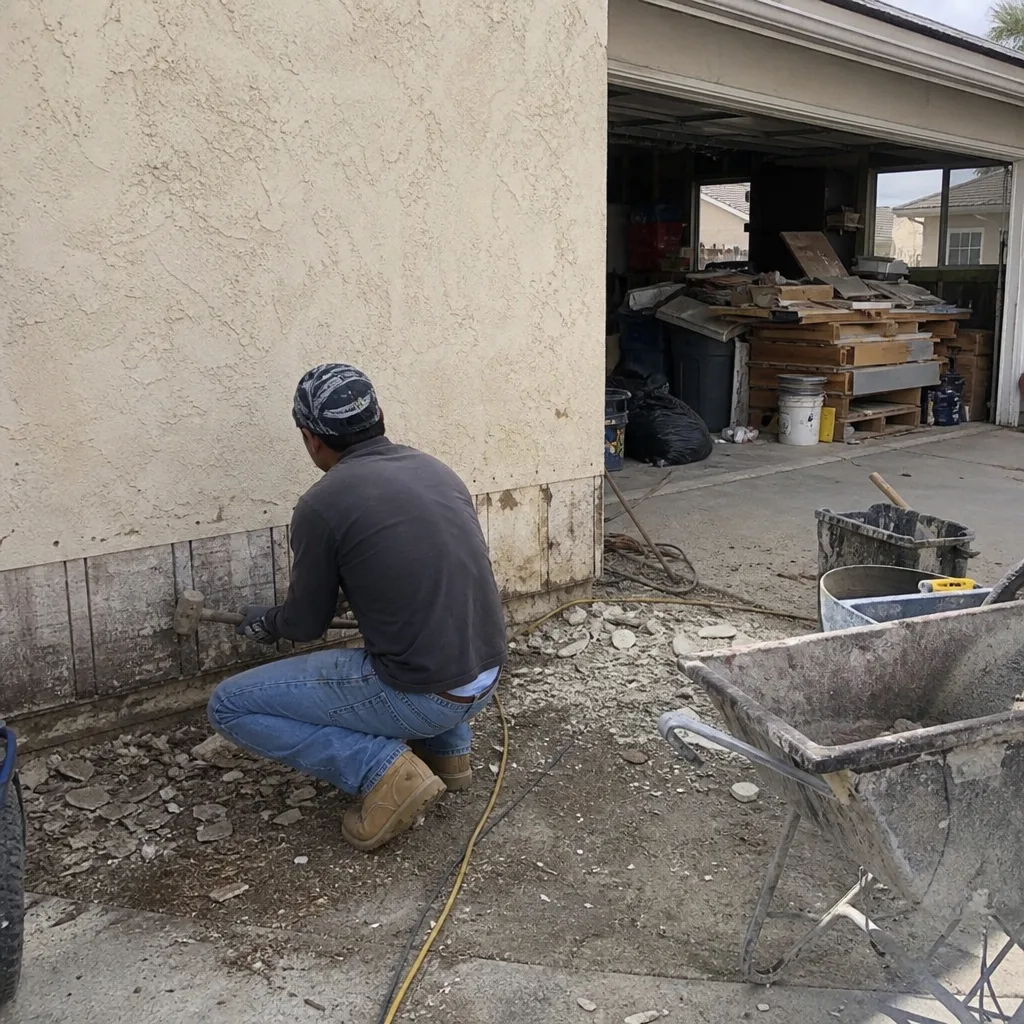 Before
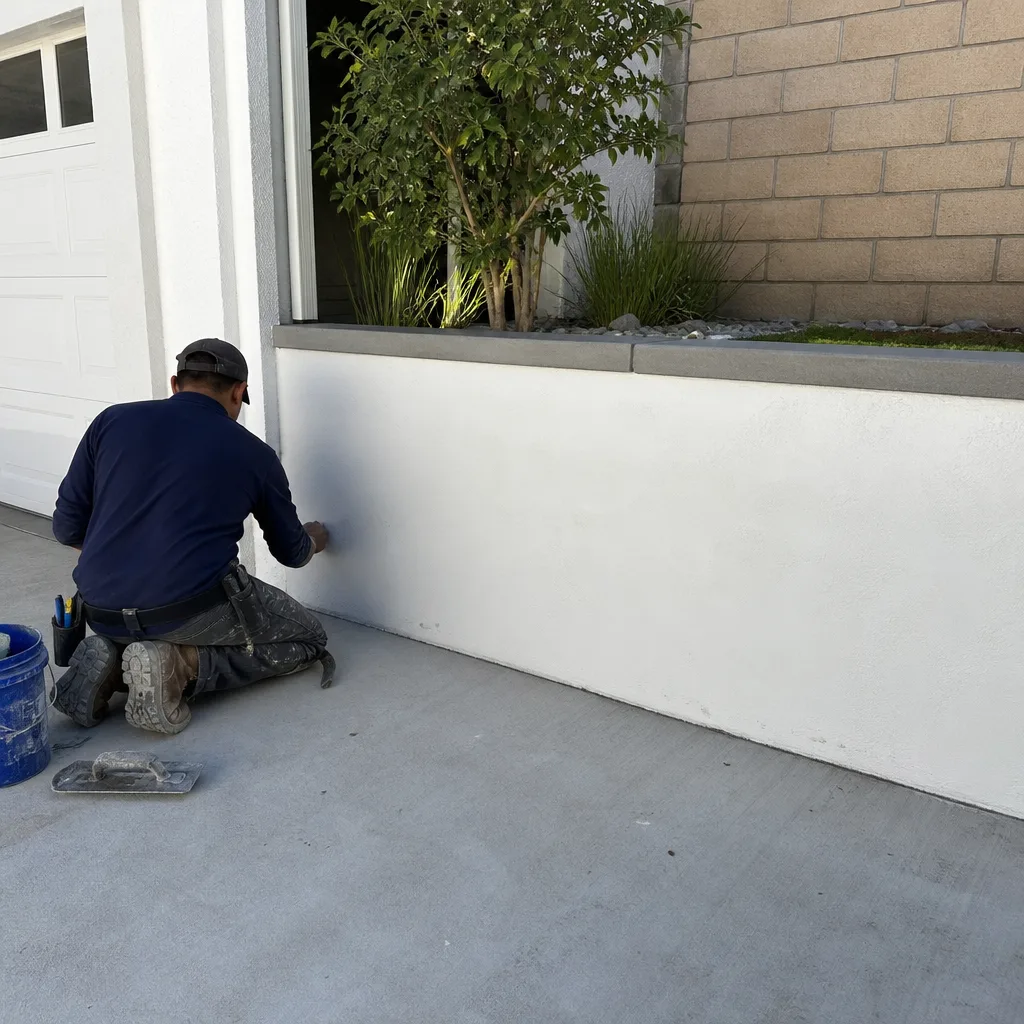 After
After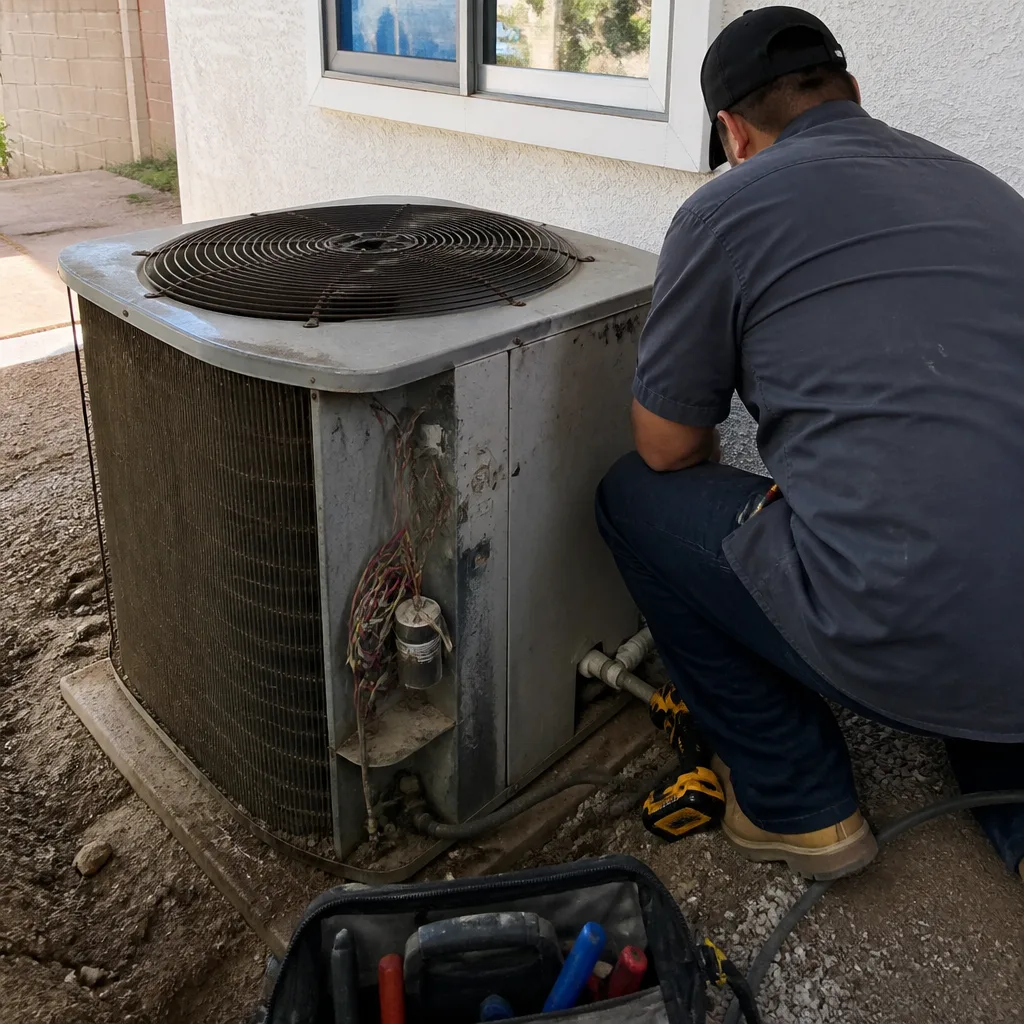 Before
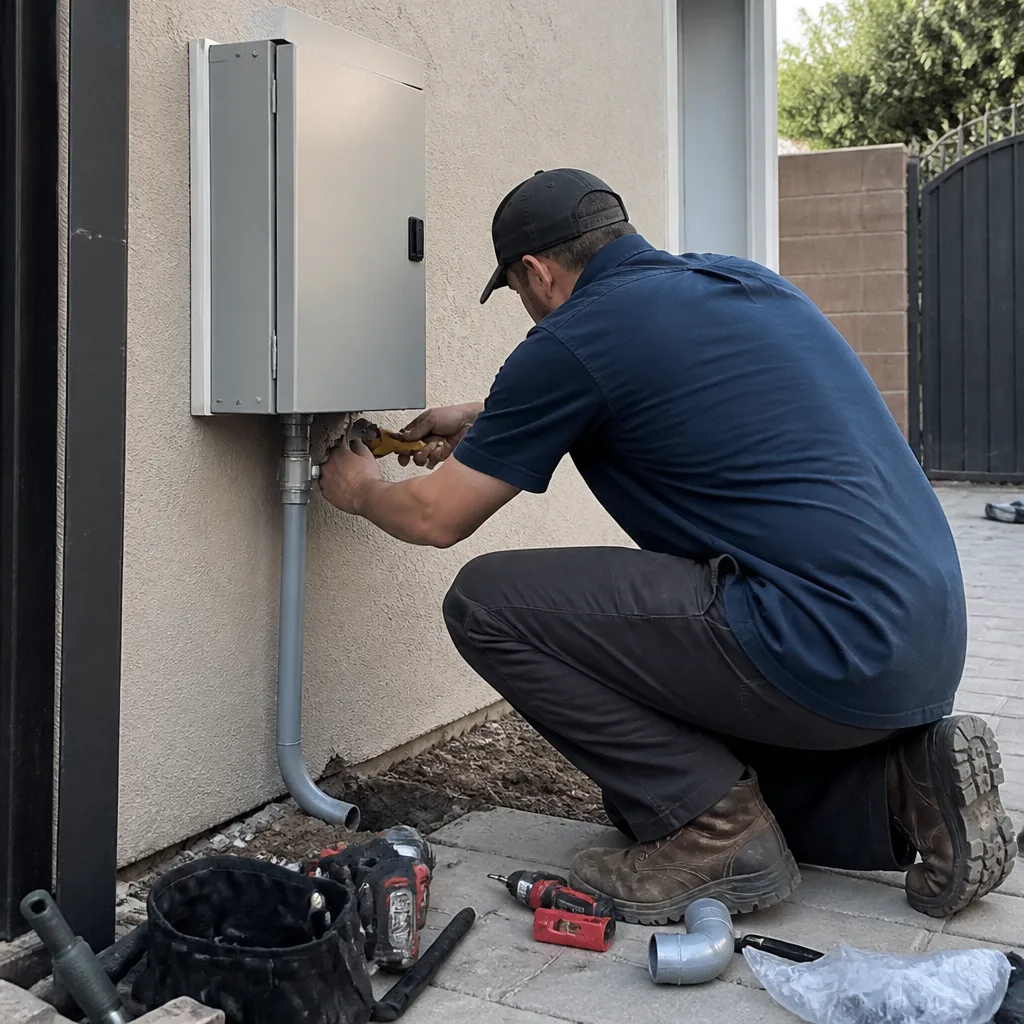 After
After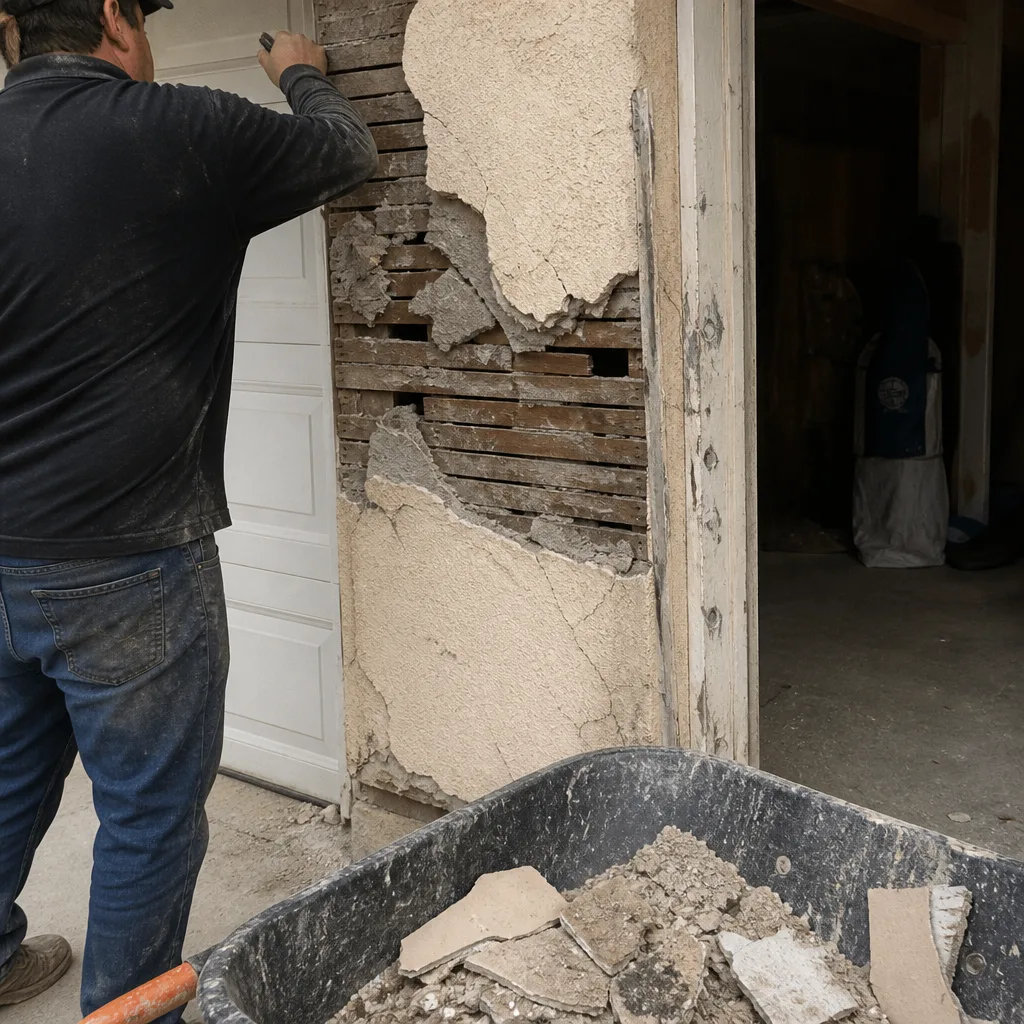 Before
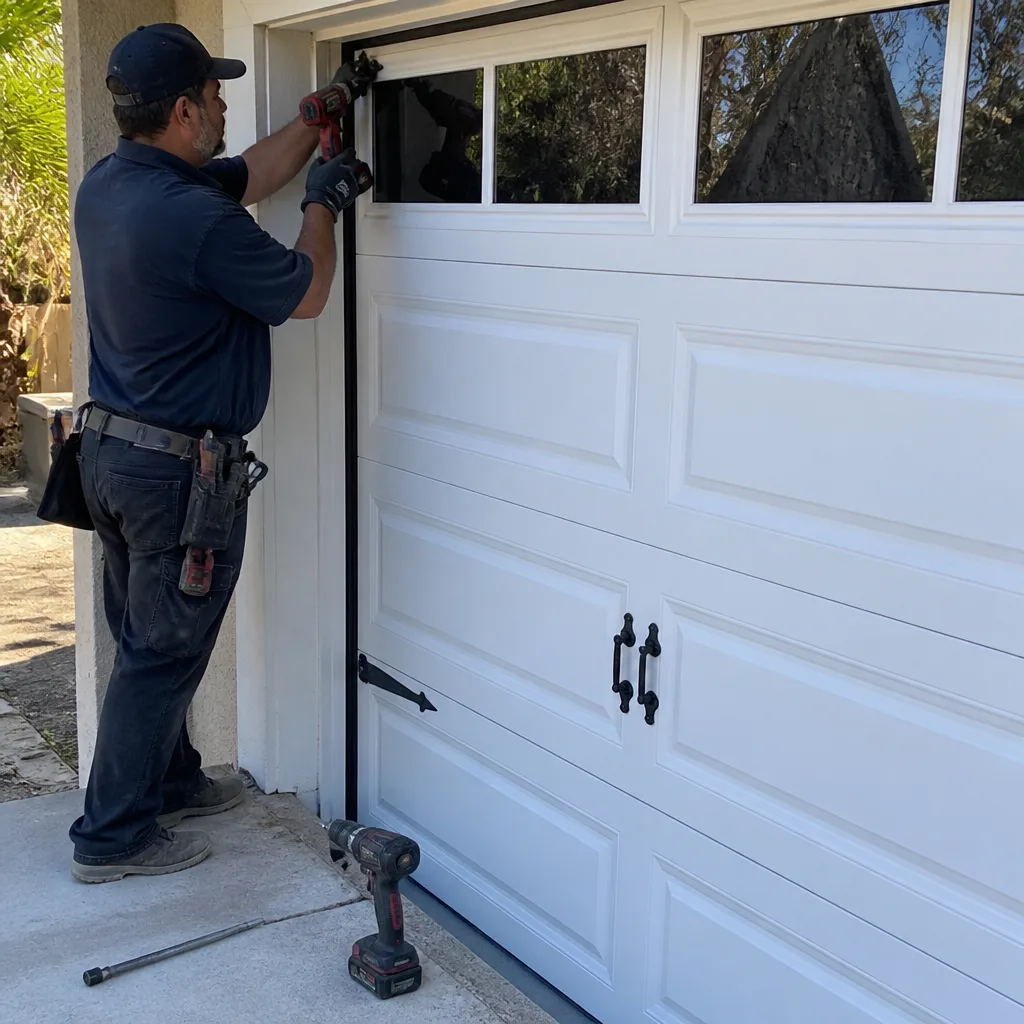 After
AfterWhen to Call a Professional
If you are reading this guide because you are about to start a project, you are in the right window. The best time to call a professional is before you sign anything, not after a problem appears. Browse our more guides & resources to keep learning before you commit. If a bid contains allowances, if a deposit request exceeds the legal cap, if the scope is missing named brands, or if you simply want a second opinion on a contract before you commit, call us. Elmstead Remodeling Santa Clarita offers free estimates in Santa Clarita, call (661) 542-4056, and we will walk through your project, your existing bids, and your questions with no obligation. The written price is always included, and you will see our scope before you sign anything.
Frequently Asked Questions

The maximum initial deposit for a home improvement project in California is 10% of the contract price or $1,000, whichever is less, under Business and Professions Code Section 7159. If a contractor in Santa Clarita asks for more than that before work begins, they are violating state law. Call (661) 542-4056 if you want a written price that respects this cap.
No. Structural, electrical, plumbing, and mechanical work in Santa Clarita requires permits pulled by the contractor before work begins. Working without permits exposes the homeowner to code enforcement, insurance denial, and resale problems. Permits are part of the job, not an add-on.
An allowance is a placeholder number for materials that have not been selected or specified. A bid with allowances is not a real price. Request that every allowance be replaced with a named brand, model number, and price in writing before signing.
A real warranty is a written, dated, signed document that names the covered work, the duration of coverage, and the phone number to call if something fails. A sentence like “satisfaction guaranteed” is not a warranty. At Elmstead Remodeling Santa Clarita, the 365-Day Done Right Promise is stamped on every project document.
A mechanics lien is a legal claim against your property filed by an unpaid subcontractor or supplier. You can protect yourself by requesting lien releases from every subcontractor before releasing final payment. Ask for them in writing before the project starts.
A fair change order is written, signed by both parties, and states the new scope and the new price before the changed work begins. No written change order, no changed work. That is the rule that keeps small changes from becoming big bills.
The Bottom Line
Contractor warning signs in Santa Clarita are rarely dramatic. They are quiet: a deposit request above the legal cap, a bid full of allowances, a warranty that is only a sentence, a permit pulled “later,” a verbal change with no written price. Each has a specific question that resolves it. Ask the questions before you sign, and the contractor’s answers will tell you everything about how the project will go. The single best protection is a written scope with named brands and a written price before any work starts. That is not a luxury. It is the baseline. If a contractor will not provide it, walk away.
Written by Graham Stein, Owner at Elmstead Remodeling Santa Clarita, serving Santa Clarita since 2005.