Last updated October 15, 2026
Free written scope consultation - allowances, timeline, and change-order rules on paper before a single trade is scheduled
Construction Cost Breakdown: The Santa Clarita Homeowner’s Reference for 2026
A homeowner budgeting a bathroom remodel using a national cost estimator tool may plan for $18,000, then learn that LA County permit fees, required low-flow fixture compliance under Title 20, and the cost difference between standard and fire-rated materials for their zone add $3,400 before a single tile is set. Santa Clarita is not like every other city in a national database. It sits inside a Very High Fire Hazard Severity Zone, it answers to both City of Santa Clarita and Los Angeles County permitting, and its contractors pay valley drive times that quietly show up in labor bids. This guide and our more guides & resources walk through the real line items, the actual permit schedules, the labor rate ranges, and the allowance traps, so a homeowner in Santa Clarita can budget for the project they actually have.
Styles & brands we work with
Quick Answer
Remodeling in Santa Clarita typically costs 12 – 18% more than national averages, driven by VHFHSZ-compliant materials, City of Santa Clarita and LA County permit fees and code requirements, and longer inspection timelines that add labor days. A mid-range kitchen remodel in Santa Clarita runs $42,000 – $68,000, a primary bathroom $28,000 – $45,000, and a 400 sq ft addition $180,000 – $260,000, all before design fees. The single most useful thing a homeowner can do is get a written line-item price before work starts, so every local cost driver is visible on paper.
Table of Contents
- What Santa Clarita and LA County Permit Fees Actually Cost
- The VHFHSZ Material Premium: What Fire Code Adds to Your Bid
- 2026 Labor Rate Ranges for Santa Clarita Trades
- The Real Cost of Allowances: A $2 Tile Line vs. What Homeowners Choose
- How a 365-Day Warranty Provision Shows Up in a Contract
- Project Cost Tiers by Type: Kitchen, Bath, Addition, ADU, Roof
- Hidden Costs That National Calculators Miss
- Common Mistakes to Avoid
- When to Call a Professional
- Frequently Asked Questions
- The Bottom Line
What Santa Clarita and LA County Permit Fees Actually Cost
Santa Clarita homeowners pay permit fees to the City of Santa Clarita Building & Safety Division for most interior work, and some projects trigger additional LA County review for environmental health, sewer, or grading. The fees below reflect 2026 scheduled rates for the five most common project types. These are the numbers we have seen on actual permits pulled by General Contractor in Santa Clarita teams, and they rarely match what a national estimator assumes.
Itemized Permit Fee Schedules by Project Type
- Kitchen remodel: $1,450 – $2,100 (building permit, plan review, electrical, plumbing, mechanical). Add $380 – $520 if moving a gas line, which requires an additional mechanical review and a pressure test inspection.
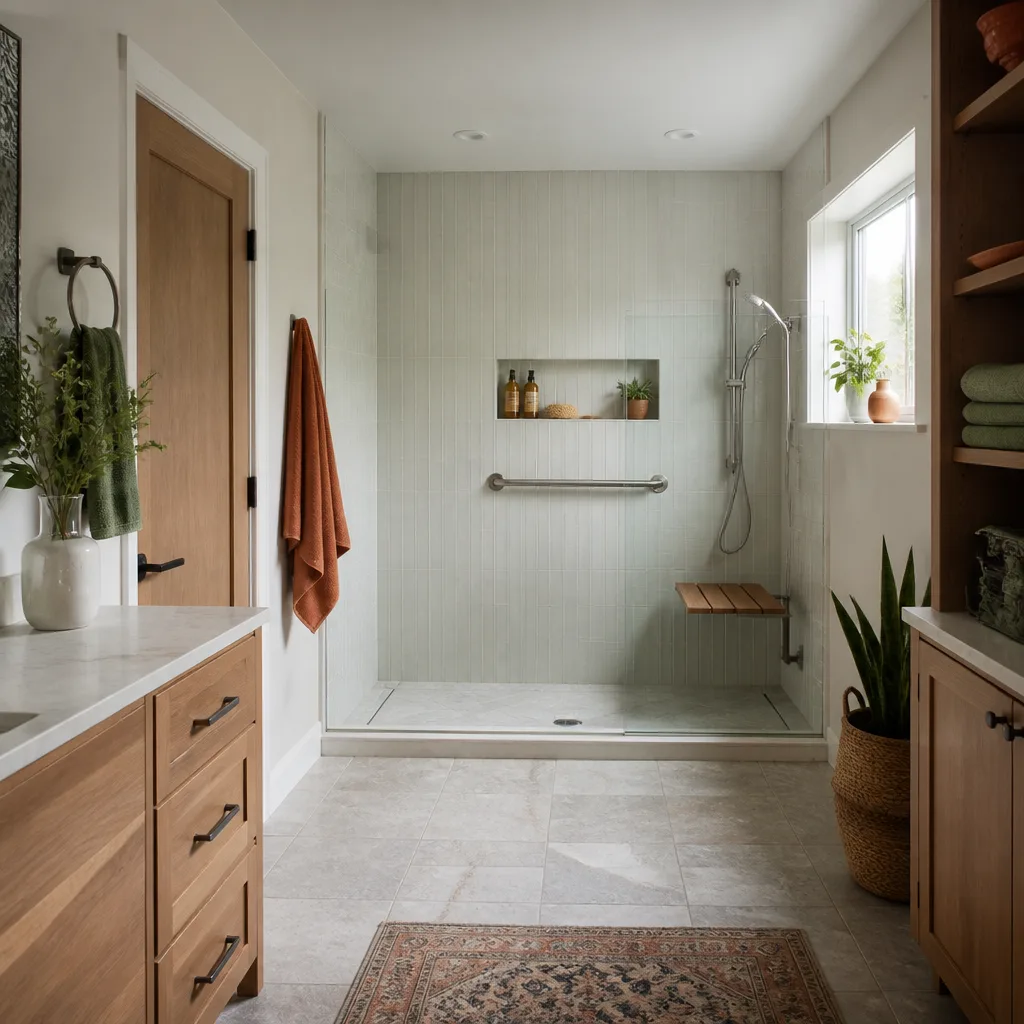
- Bathroom remodel: $1,150 – $1,700 (building, plumbing, electrical). A full gut with a tub-to-shower conversion and added lighting lands at the top of this range; a cosmetic refresh with no layout change sits at the bottom.
- Room addition (400 sq ft): $3,800 – $5,600 (building, plan check, electrical, mechanical, plumbing, energy compliance under Title 24). LA County also charges a school district fee of $0.47 per square foot on residential additions in Santa Clarita, a line item many homeowners see for the first time on the permit invoice.
- ADU (800 sq ft detached): $6,200 – $8,900 (building, plan check, electrical, plumbing, mechanical, sewer connection review, school fee). The City of Santa Clarita does not charge a separate ADU impact fee the way some neighboring cities do, but the LA County sewer lateral inspection adds $210 – $340 depending on whether the line needs camera work.
- Roof replacement: $520 – $780 for a straightforward reroof over one layer on a standard single-story home. If the roof is in a VHFHSZ and the project includes a full tear-off with new sheathing inspection, the fee climbs to $880 – $1,200 because the City requires a nailing pattern inspection before overlay.
Plan review for complex projects runs 2-4 weeks in Santa Clarita, and the City’s 2026 inspection scheduling averages 7-10 business days per requested inspection date. That is a real cost: every additional inspection cycle adds a return trip for the crew, and return trips are billable. When a Bathroom Remodeling in Santa Clarita project can proceed with inspections scheduled back-to-back, the homeowner saves two to three labor hours that would otherwise go to mobilizing and demobilizing a second time.
Step-by-Step: How a Santa Clarita Permit Actually Moves
- The contractor or homeowner submits plans and a permit application to the City of Santa Clarita Building & Safety Division at 23920 Valencia Blvd.
- Plan check reviews Title 24 energy compliance, structural changes, and VHFHSZ material requirements if the project touches exterior components.
- The permit fee is calculated based on project valuation, not a flat rate. A $60,000 kitchen remodel pays a different fee than a $35,000 kitchen remodel.
- Once approved, work can start. Each inspection milestone (rough electrical, rough plumbing, framing, final) requires a scheduled visit.
- Final sign-off closes the permit. Green tag posted, project is legal, and the work can be covered by manufacturer warranties without issue.
The VHFHSZ Material Premium: What Fire Code Adds to Your Bid
Much of Santa Clarita, including neighborhoods in Saugus, Canyon Country, and the hillside areas along Bouquet Canyon and Sand Canyon, sits inside a Very High Fire Hazard Severity Zone. That designation is not a suggestion. It is a California building code requirement for exterior surfaces, vents, and roofing, and it adds a specific, calculable premium to any project that touches the outside of the house-something every homeowner should understand through Construction Warning Signs: A Santa Clarita Homeowner’s Reference Guide.
The cost difference comes from three specific upgrades: Class A fire-rated roofing, ember-resistant vents, and ignition-resistant exterior materials. Here is what those actually cost in Santa Clarita in 2026, compared to standard alternatives.
Material Cost Premiums: Standard vs. VHFHSZ-Compliant
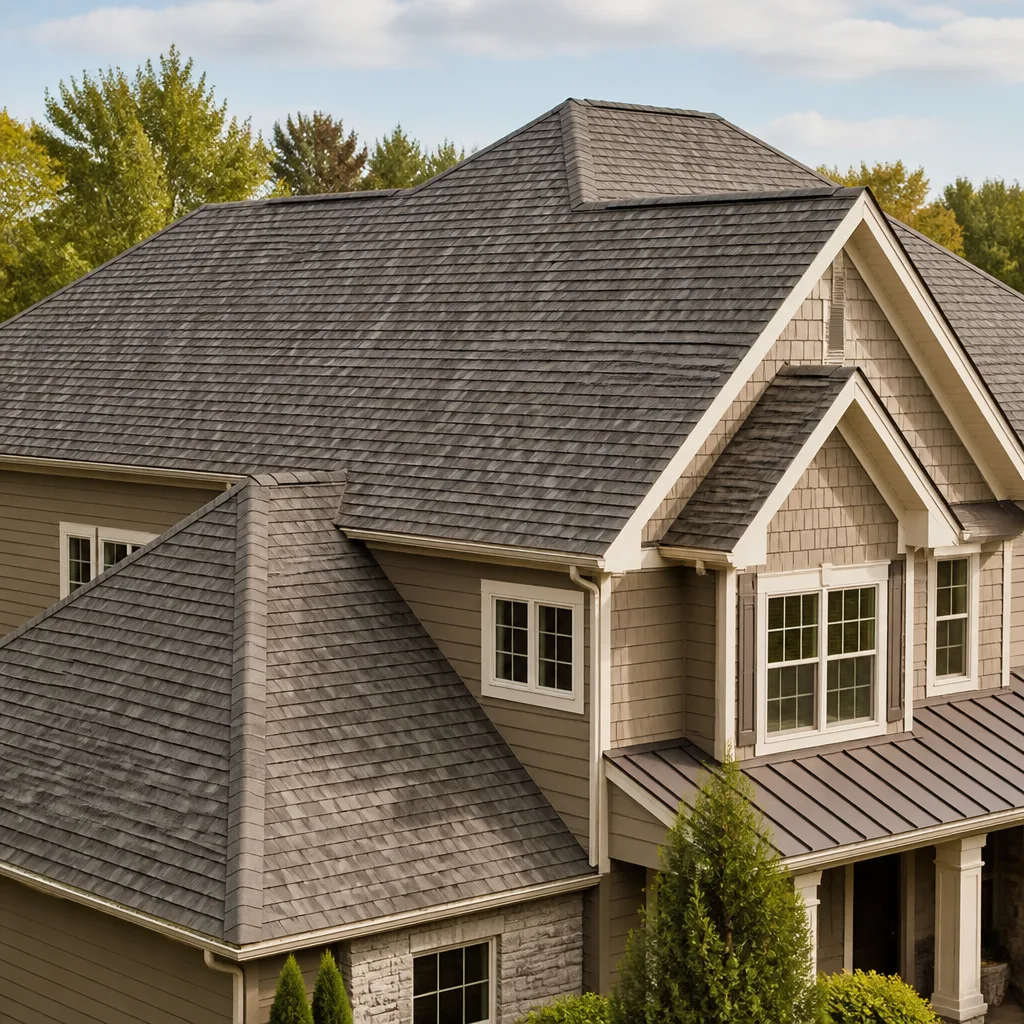
- Class A composition shingle roof: $5.80 – $7.20 per sq ft installed, compared to $4.50 – $5.50 for a standard Class A shingle that meets the minimum but uses a less durable mat. The gap shrinks when you choose a higher-end standard shingle, but a VHFHSZ house should not drop below Class A under any circumstance.
- Ember-resistant attic vents: $28 – $45 per vent, compared to $8 – $12 for a standard mesh vent. A single-story 2,000 sq ft home needs 8-10 vents. That is a $160 – $330 line item that does not exist on a national calculator.
- Ignition-resistant exterior siding: James Hardie fiber cement runs $9.50 – $12.00 per sq ft installed in Santa Clarita, compared to standard wood-composite lap siding at $6.00 – $7.50. The premium is roughly $3.50 – $4.50 per sq ft, and on a 1,500 sq ft exterior wall area that adds $5,250 – $6,750.
- Dual-pane tempered windows with WUI glazing requirements: $55 – $85 per sq ft installed, versus $38 – $55 for standard dual-pane. For a home replacing 12 windows, that is a $2,000 – $3,600 line item above national averages.
Graham Stein, who leads Elmstead Remodeling as a Cedarwell company, puts it simply: “The VHFHSZ premium is not a contractor markup. It is a code requirement, and any bid that does not name the specific fire-rated product is either wrong or planning to substitute later.” The homeowners who get a clear, written explanation of this line item are the ones who feel good about the spend, because they know the material is protecting the house from a fire event that has become a real risk in the valley’s canyons.
2026 Labor Rate Ranges for Santa Clarita Trades
Santa Clarita is at the northern edge of the greater LA metro labor market. Trades that work the valley, the 405 corridor, and down into the San Fernando Valley price their bids to cover drive time, fuel, and the reality that a Santa Clarita job is often a full-day commitment even if the work itself is six hours. That context matters when you compare bids, because the low bid may simply be a contractor who has not priced the commute into the job and will try to recover it through change orders-a key factor covered in our DIY vs Professional Construction: The Santa Clarita Homeowner’s Decision Guide.
What Each Trade Charges in Santa Clarita in 2026
- General contractor overhead and project management: 15 – 22% of total project cost. This is not a hidden fee. It is the line item that covers scheduling inspections, ordering materials, coordinating trade arrival, and being the point of contact when a question comes up on a Thursday night.
- Licensed electrician: $95 – $145 per hour, or flat-rate quotes for defined scope. Panel upgrades in Santa Clarita run $3,200 – $4,800 including city permit and inspection.
- Licensed plumber: $90 – $130 per hour. Moving a gas line in a kitchen or bathroom adds $850 – $1,400 to the plumbing line item, including the required LA County mechanical inspection.
- Tile setter: $55 – $85 per hour, or $12 – $22 per sq ft for floor tile installation depending on tile size, pattern, and whether the substrate needs leveling. Large-format tile (24″ x 48″) runs at the top of that range because it demands flatter floors and two-person handling.
- Framing carpenter: $75 – $110 per hour for additions and structural work. For a 400 sq ft addition, framing labor alone typically runs $14,000 – $19,000.
When a homeowner asks us why a bid came in higher than a YouTube video suggested, the answer is usually drive time plus inspection logistics. A Kitchen Remodeling in Santa Clarita project in Valencia that needs four inspection visits across three weeks costs more in labor than the same project in a city with walk-in inspections. The crew has to load, drive, unload, and reset for each return trip, and that time is real. Elmstead addresses this by naming the schedule in the written price and giving homeowners a photo of the clean-up before the crew leaves, so every hour paid is an hour explained.
The Real Cost of Allowances: A $2 Tile Line vs. What Homeowners Choose
An allowance is a placeholder number a contractor puts in a bid when the finish material has not been selected yet. The most common trap in residential remodeling is the tile allowance. A bid may include $2.00 per sq ft for floor tile, but after a homeowner visits a showroom and sees what $2.00 per sq ft actually looks like, they choose something at $6.50 per sq ft, and that $4.50 difference multiplied by 800 sq ft becomes a $3,600 change order they never planned for.
Here is how tile pricing actually works in Santa Clarita in 2026, across three realistic product tiers with installed costs.
Three Tile Tiers and Their Installed Costs
- Builder-grade ceramic ($2.00 – $3.00 per sq ft material): Installed cost $7.00 – $9.00 per sq ft. This is what a $2 allowance buys: limited color range, visible shade variation, and a glazed surface that will show wear in a high-traffic Santa Clarita entryway within a few years. Many homeowners see this option and decide to spend more on the spot.
- Mid-grade porcelain ($5.00 – $8.00 per sq ft material): Installed cost $11.00 – $16.00 per sq ft. This tier includes rectified edges for tighter grout lines, consistent color batches, and a wear rating that handles kids’ sports equipment and a dog with claws.
- Large-format or stone-look porcelain ($9.00 – $14.00 per sq ft material): Installed cost $18.00 – $28.00 per sq ft. This is what most Santa Clarita homeowners actually choose for a primary bathroom or kitchen floor, and it requires substrate leveling that adds another $2.00 – $4.00 per sq ft on top.
The cleanest fix is to ask for a written price that names the specific product, not a placeholder. Elmstead goes further: every project includes a written price before any work starts, with allowances itemized separately and the actual product selected during design work so the final price is the final price. When a Cambria or Silestone countertop is named in the line item, the homeowner knows exactly what is going in, and the manufacturer warranty is verifiable by name.
How a 365-Day Warranty Provision Shows Up in a Contract
A warranty line in a remodeling contract is not free. A contractor who commits to a 365-day post-completion guarantee is pricing in the cost of standing behind every pipe joint, every tile edge, and every cabinet door for a year. In our experience in Santa Clarita, that provision typically adds 3 – 5% to the total project cost, and it is the least expensive money in the entire contract.
Here is the math. A $45,000 bathroom remodel with a 4% warranty provision carries a $1,800 line item. If a shower drain develops a slow leak six months after completion and the contractor no longer answers the phone, the homeowner pays a plumber $950 – $1,400 for the repair. If the leak caused subfloor damage behind a wall, the bill is $4,000+. The warranty line costs less than one unreturned service call.
Elmstead’s 365-Day Done Right Promise works this way: if it is not done right after the job is complete, we make it right. It is stamped on every project, not offered as an upgrade. The provision sits in the written price as its own numbered line item, so a homeowner in Saugus or Stevenson Ranch can see exactly what they are paying for the guarantee before signing. Graham Stein’s position is straightforward: “A contractor who will not put the warranty in writing, with a dollar number attached to it, is telling you how they plan to handle the first call back.”
What to Check in Any Warranty Provision
- Is the warranty duration in writing with a start date? It should begin on the date of substantial completion, not on the date of the first meeting.
- Does it cover labor or only materials? A manufacturer warranty on a Kohler faucet covers the part; it does not cover the plumber who removes the old one and installs the replacement at $90 – $130 per hour.
- What happens if the contractor’s company changes? A warranty tied to a company that no longer exists is worthless. Elmstead is a Cedarwell company, and the 365-Day Done Right Promise travels with the Cedarwell structure, not with a single employee who might leave.
- Is the warranty a separate line item in the price? If it is not itemized, it may not actually be priced, and an unpriced promise is a marketing statement, not a contract term.
Project Cost Tiers by Type: Kitchen, Bath, Addition, ADU, Roof
Santa Clarita sits at the intersection of LA County pricing and valley-scaled labor, with the VHFHSZ layer on top. The ranges below reflect what we see on written bids for mid-range work in 2026, with named-brand materials like KraftMaid cabinetry, Cambria countertops, Kohler fixtures, and James Hardie siding. These are not national averages. They are Santa Clarita numbers.
Kitchen Remodel
- Cosmetic refresh (paint, hardware, new sink and faucet, light fixtures): $12,000 – $22,000
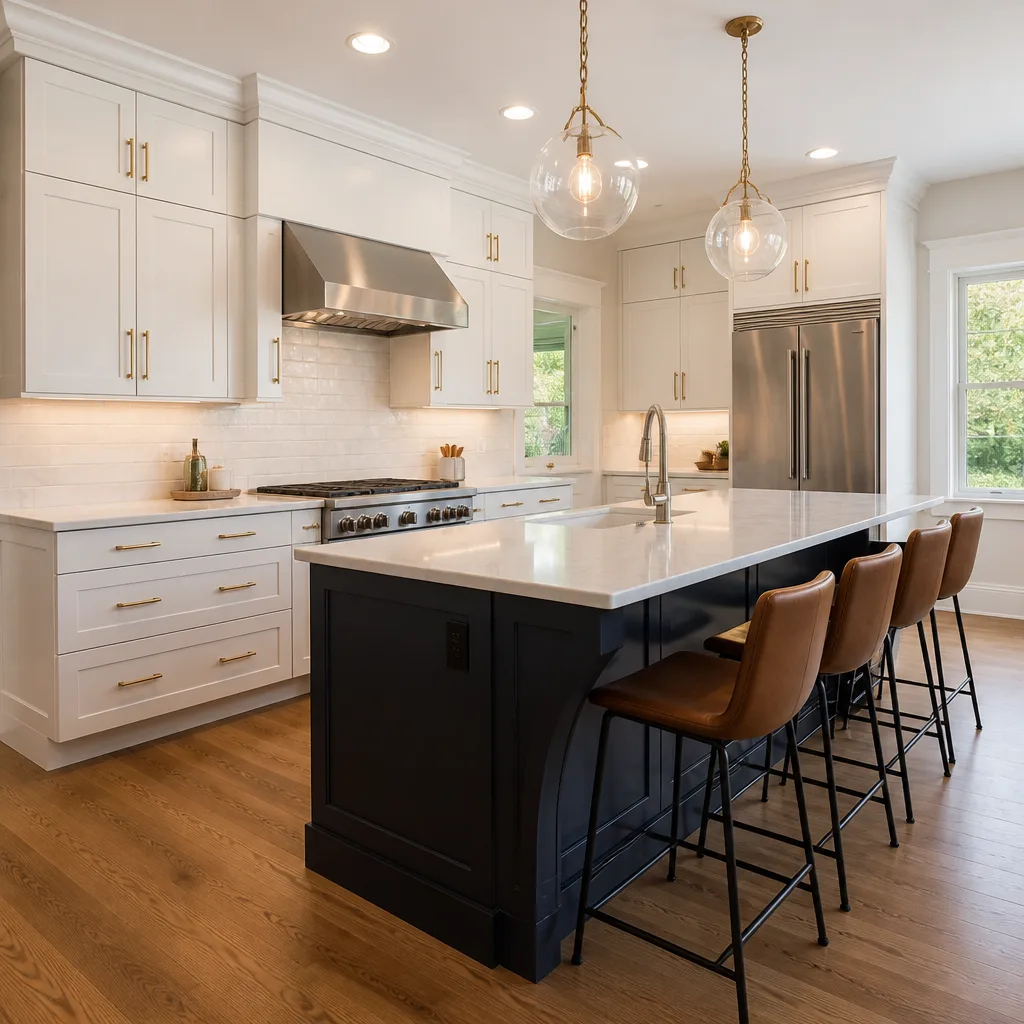
- Mid-range full remodel (KraftMaid semi-custom cabinets, Silestone or Cambria countertops, new appliances, tile backsplash, under-cabinet lighting): $42,000 – $68,000
- High-end remodel (custom cabinetry, large-format tile, panel-ready appliances, structural move of a wall): $80,000 – $130,000
Primary Bathroom Remodel
- Cosmetic (new vanity, toilet, light fixture, paint, reglaze tub): $10,000 – $18,000
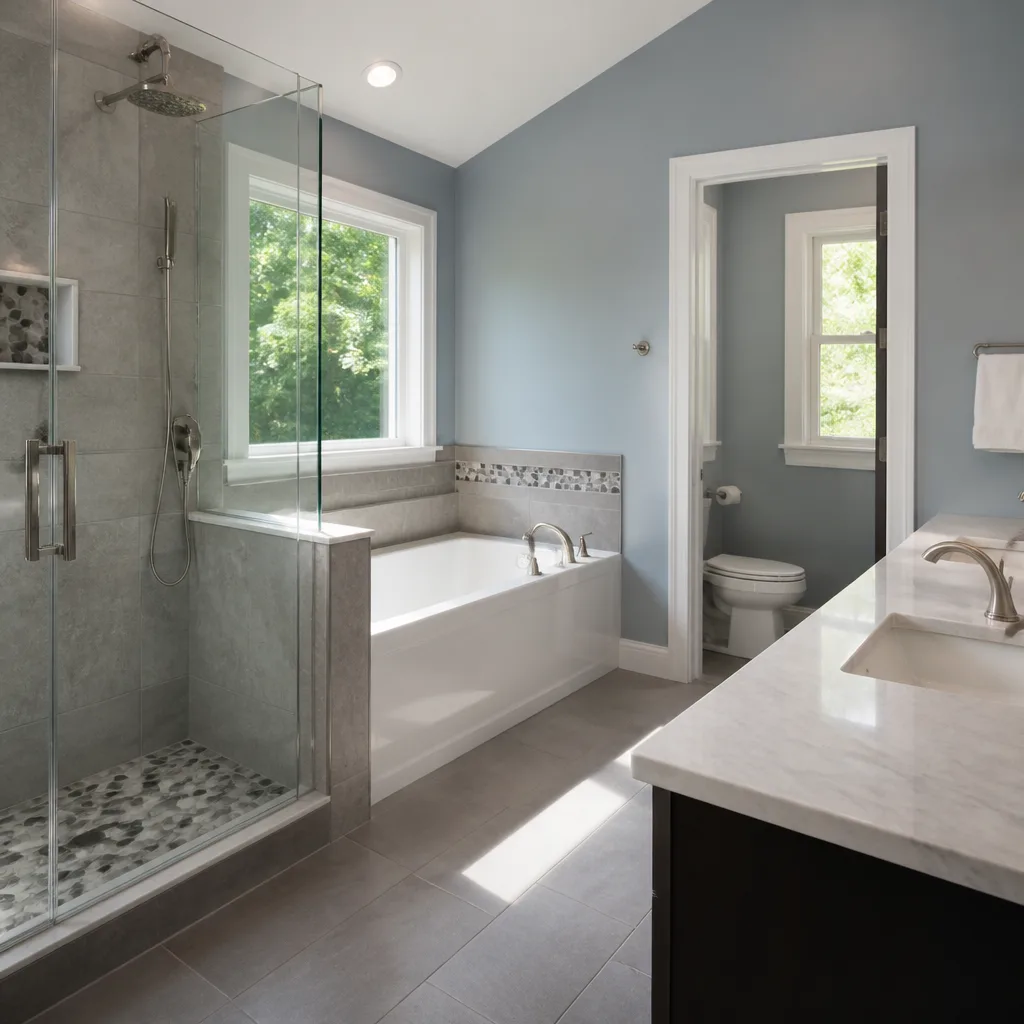
- Mid-range full remodel (full gut, new Schluter waterproofing system, tile shower with glass enclosure, Kohler or Moen fixtures, dual vanity): $28,000 – $45,000
- High-end (heated floors, freestanding tub, curbless shower, custom cabinetry, Grohe fixtures): $55,000 – $85,000
Room Addition (400 sq ft)
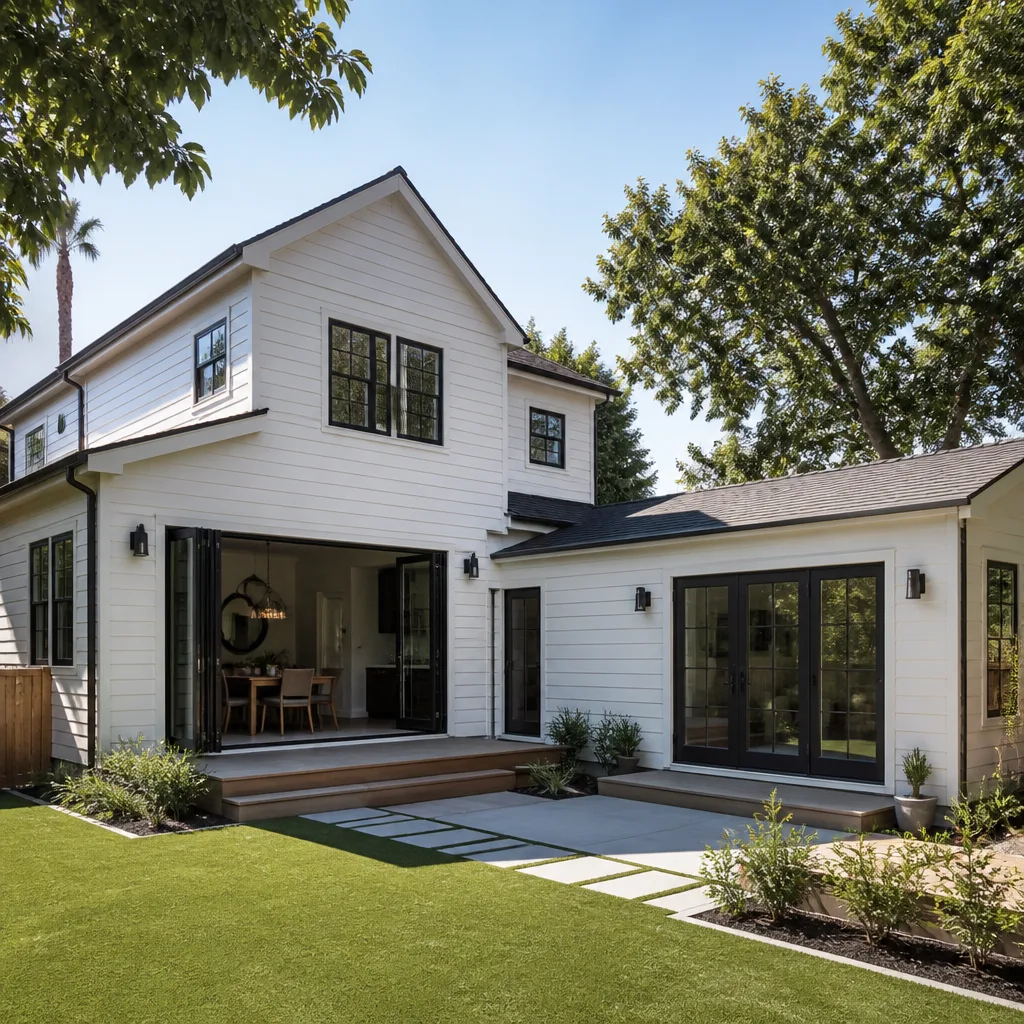
- Standard build (framed addition, drywall, flooring, electrical, HVAC extension, city permit): $180,000 – $260,000
- With bathroom (structural, plumbing stack, sewer connection, full tile bath): $235,000 – $320,000
ADU (800 sq ft Detached)
- One bedroom, one bath, standard finishes: $310,000 – $410,000
- Two bedroom, one bath, upgraded finishes: $400,000 – $520,000
Roof Replacement
- Standard single-story, one layer tear-off, Class A composition shingle: $14,000 – $19,000
- VHFHSZ-compliant full system (Class A shingle, ember-resistant vents, new underlayment, WUI edge metal): $18,000 – $24,000
These ranges assume the home is in a standard hillside or flat-lot zone within the City of Santa Clarita. Homes in gated communities with limited truck access or steep driveway approaches may add another 8 – 12% for material staging and hauling logistics, because the crew physically cannot park a materials trailer at the front door of a hillside lot in Sand Canyon the way they can in a Valencia cul-de-sac.
Hidden Costs That National Calculators Miss
National renovation calculators are built on median pricing from a mix of urban, suburban, and rural markets. They do not know that your Santa Clarita home is in a canyon with a 60-foot driveway, that your electrical panel is original to a 1989 build and will not pass a Title 24 energy inspection, or that the City requires a soil report for any addition in certain hillside zones. Those are not contractor inventions. They are local facts, and they are line items.
The Santa Clarita Cost Drivers You Will Not See on a Generic Website
- Electrical panel replacement: $3,200 – $4,800. A 1980s or 1990s 100-amp panel cannot support a modern kitchen with induction cooktop, double ovens, and a dedicated refrigerator circuit. The City will not sign off on a kitchen permit without it.
- Title 20 low-flow fixture compliance: $180 – $420 for a new toilet and faucet aerators that meet California flow rates. This is a code requirement, not an upgrade, and it applies to every bathroom remodel in Santa Clarita.
- Drywall and texture matching: $1,200 – $2,600 on any project that opens a wall. Santa Clarita homes from the 1980s and 1990s often have a sanded texture that is difficult to match seamlessly, and a good contractor will not pretend otherwise.
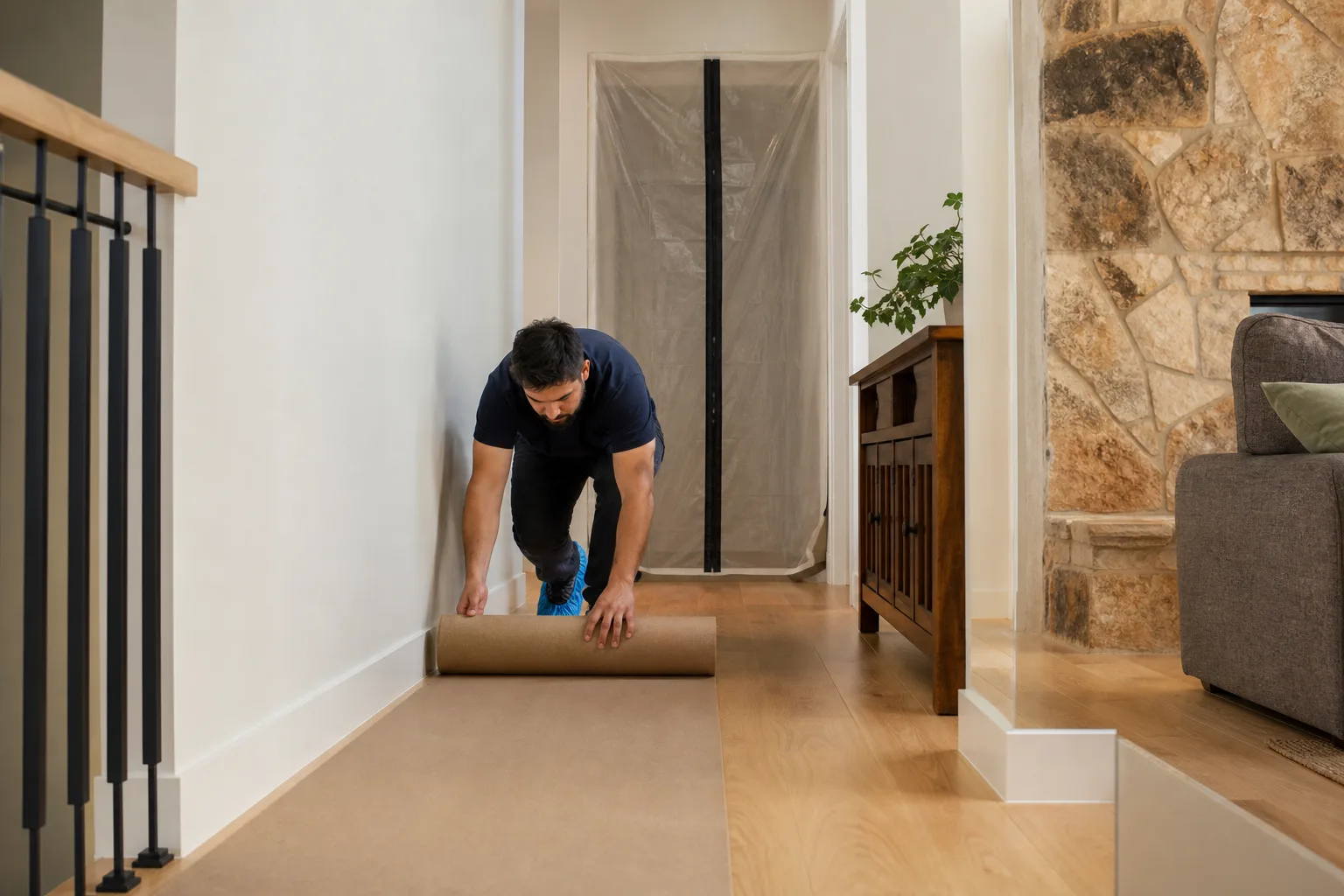
- Dust containment and floor protection: $600 – $1,400. This is the line item that covers zip walls, drop cloths on the floors, shoe covers at the door, and daily clean-up. Some contractors bury this in “general conditions.” Elmstead names it, and includes a photo of the clean-up before the crew leaves, because protecting the home is part of the work, not an add-on a family should have to negotiate.
- Quiet-tool scheduling during kid and pet hours: This may not show up as a dollar figure, but it is priced into the labor line. Working around nap times and school hours means the crew stages cuts and demolition in batches, which adds a few labor hours per week. For a family with a toddler and a dog in Canyon Country, that is worth every hour it costs.
Common Mistakes to Avoid
- Budgeting from a national calculator without checking the local line items. A national number does not include $1,450 in City of Santa Clarita permit fees, VHFHSZ fire-rated materials, or the school district fee on an addition. You will be $3,000 – $8,000 short before the project starts, and that shortfall either kills the design or forces a scope cut mid-project.
- Accepting an allowance-based bid without seeing the actual product. A $2 tile allowance and a $6.50 per sq ft tile selection create a change order no one flagged in the sales meeting. Ask for the product name in the written price, or at minimum, go look at the allowance-tier material before signing anything.
- Choosing the low bid without asking what is missing. A low bid in Santa Clarita usually means one of three things: no VHFHSZ materials listed, no permit fees included, or a labor rate that assumes the crew never has to make a return trip. The contractor will recover that money somewhere else.
- Ignoring the panel and plumbing infrastructure. A beautiful kitchen on a 100-amp panel with original cast iron drains is a future problem wearing a new face. The permit process will catch most of this, but a homeowner who does not budget for panel replacement and drain line work will feel like the surprise is a contractor problem when it is actually a home-age problem.
- Skipping the written warranty provision. A one-year warranty line item at 3 – 5% of project cost is the cheapest insurance a homeowner can buy. If it is not in writing with a dollar figure, it is not real.
- Assuming every contractor treats the home the same way. Drop cloths, shoe covers, quiet tools, and pet-safe products are not automatic. If it is not in the written price, the crew may show up without floor protection, and a family with kids and a dog will notice immediately. Ask what is included before signing, and get it in writing.
When to Call a Professional
Any project that requires a City of Santa Clarita permit is a project that requires a licensed contractor. That covers every kitchen and bathroom remodel that touches plumbing or electrical, every addition and ADU, and every roof replacement in a VHFHSZ. Trying to pull a homeowner permit on a bathroom remodel in Santa Clarita can stall at the first inspection request, because the City’s plan review desk will ask for Title 24 energy compliance documentation that most homeowners cannot produce. A licensed contractor handles that paperwork as part of the job. If you are pricing a project and want a written line-item breakdown specific to your home and your zone, Elmstead Remodeling Santa Clarita offers free estimates in Santa Clarita. Call (661) 542-4056.
Frequently Asked Questions
A mid-range full kitchen remodel in Santa Clarita runs $42,000 – $68,000, including permit fees, standard VHFHSZ compliance where applicable, and named-brand materials like KraftMaid cabinetry and Cambria countertops. That is roughly 12 – 18% above the national average for the same scope because Santa Clarita’s permit schedule, fire-zone material requirements, and valley labor rates stack on top of base costs. Call (661) 542-4056 for a written price on your specific kitchen before you budget from a generic number.
City of Santa Clarita permit fees add $1,150 – $8,900 depending on the project type, with a bathroom at the low end, a kitchen in the $1,450 – $2,100 range, and an ADU at $6,200 – $8,900 including LA County sewer and school district fees. The final fee is calculated on project valuation, not a flat rate, so a larger project pays proportionally more. The permit fee also buys inspection coverage that protects the homeowner’s legal and resale position.
If your home sits in a Very High Fire Hazard Severity Zone, which covers most of the canyons and much of the hillside terrain in Saugus, Canyon Country, and Sand Canyon, then yes, any exterior component of your remodel must meet VHFHSZ material requirements. That includes Class A roofing, ember-resistant vents, ignition-resistant siding, and WUI-compliant windows, and it adds $3,000 – $9,000 to an exterior project compared to standard materials.
It should not, if you have a written price with named products and a clear scope before any work begins. Change orders happen when a bid uses allowances instead of actual selections, when a hidden condition like an undersized electrical panel is discovered, or when a homeowner changes the design mid-project. At Elmstead, the written price is given before any work starts, and the product names are in the contract so the final price stays the final price.
A mid-range kitchen remodel takes 6 – 10 weeks from the first day of work to final inspection, and a primary bathroom takes 4 – 7 weeks. The Santa Clarita inspection scheduling window, currently 7 – 10 business days per requested inspection, is the biggest variable, because each milestone requires a city visit and the timeline moves with the city’s calendar, not with the crew’s schedule.
A 365-day warranty provision typically costs 3 – 5% of the project total, which on a $45,000 bathroom is $1,350 – $2,250, and that is less than the cost of one plumbing repair call six months after completion if the original contractor does not return. At Elmstead, the 365-Day Done Right Promise is not an upgrade or an add-on. It is stamped on every project, and if it is not done right after the job is complete, we make it right. Call (661) 542-4056 to ask about the warranty line on your project.
The Bottom Line
Santa Clarita remodeling costs are higher than national averages for real, identifiable reasons: City permit fees that run $1,150 – $8,900, VHFHSZ material premiums that add $3,000 – $9,000 on exterior-facing work, valley drive times that increase labor rates across every trade, and the reality that older homes need panel and plumbing investment before new finishes can legally go in. The counterweight is a written price from a contractor who names the products, lists the permit costs, and puts the warranty in writing as a line item. Budget for Santa Clarita, not for a national median, and the project goes exactly as priced.
Written by Graham Stein, Owner at Elmstead Remodeling Santa Clarita, serving Santa Clarita since 2005.
See the difference
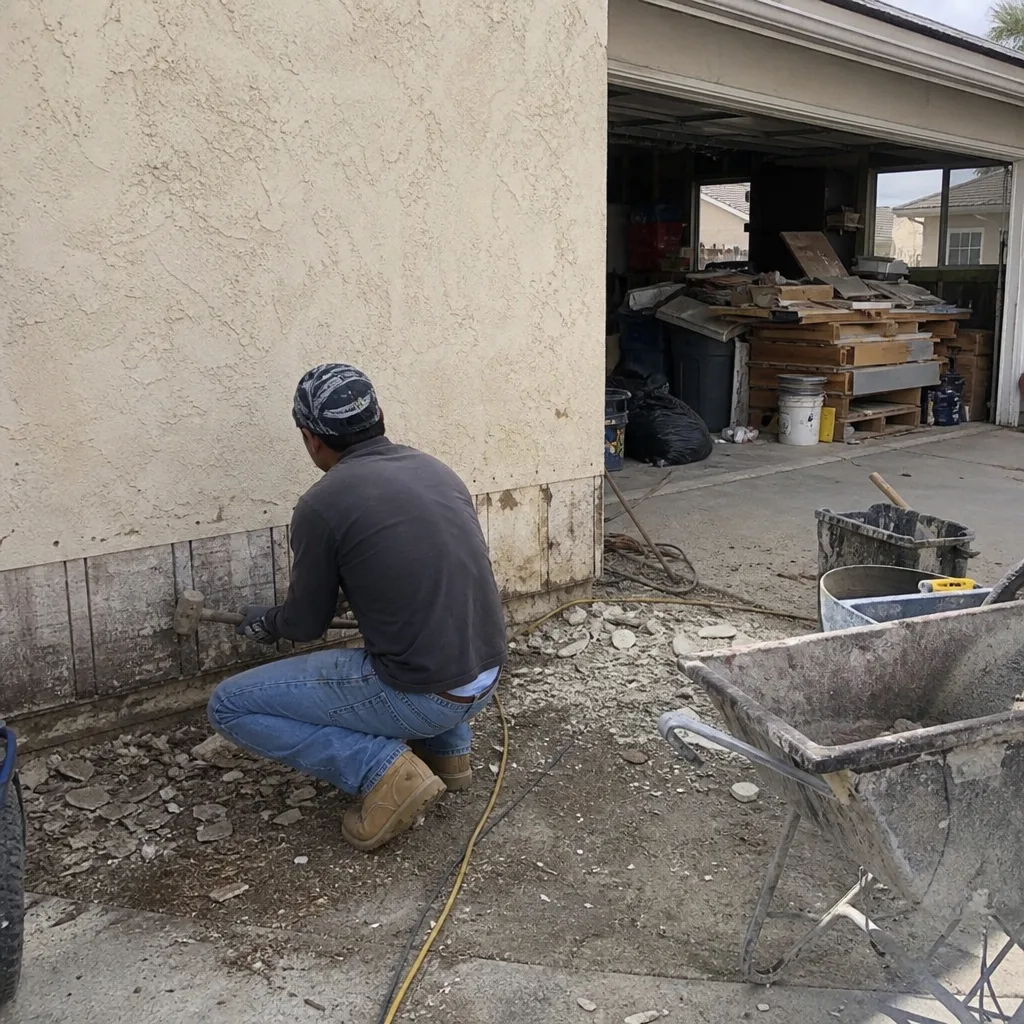 Before
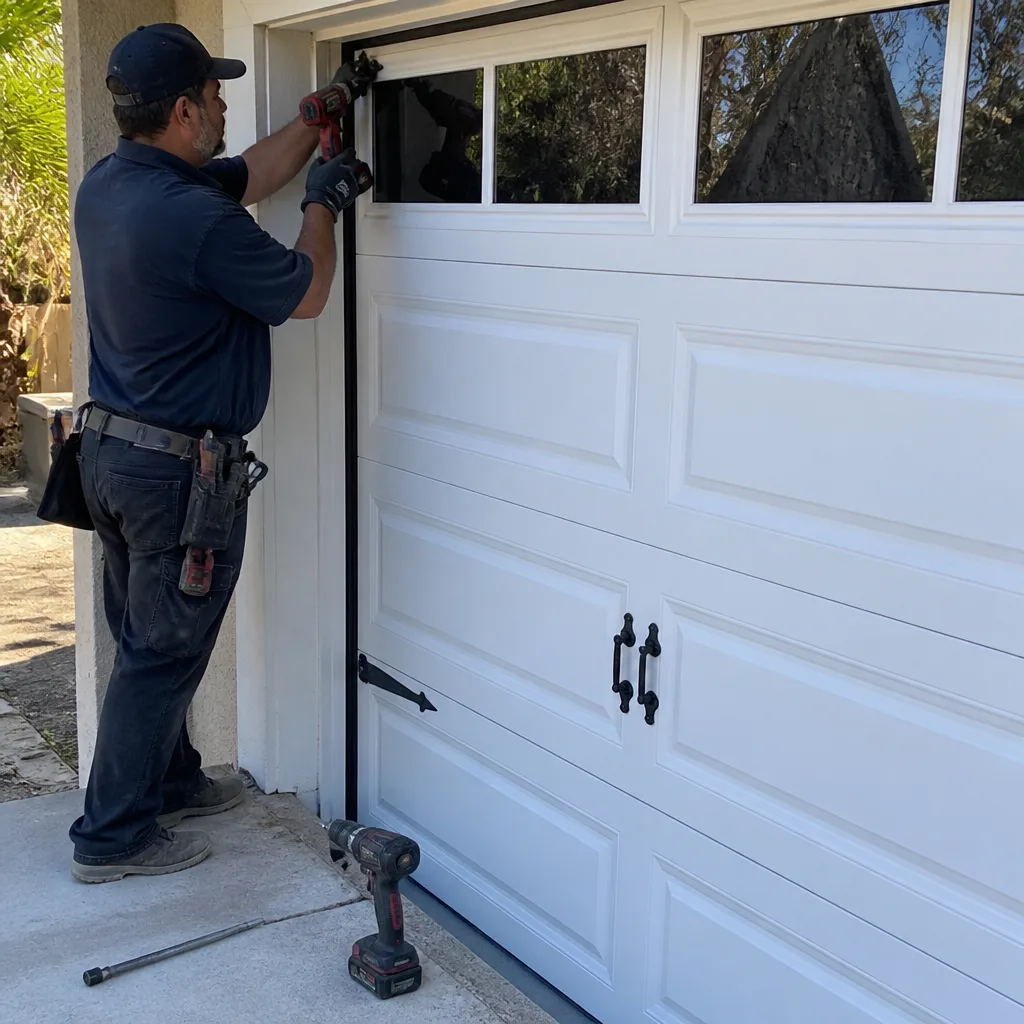
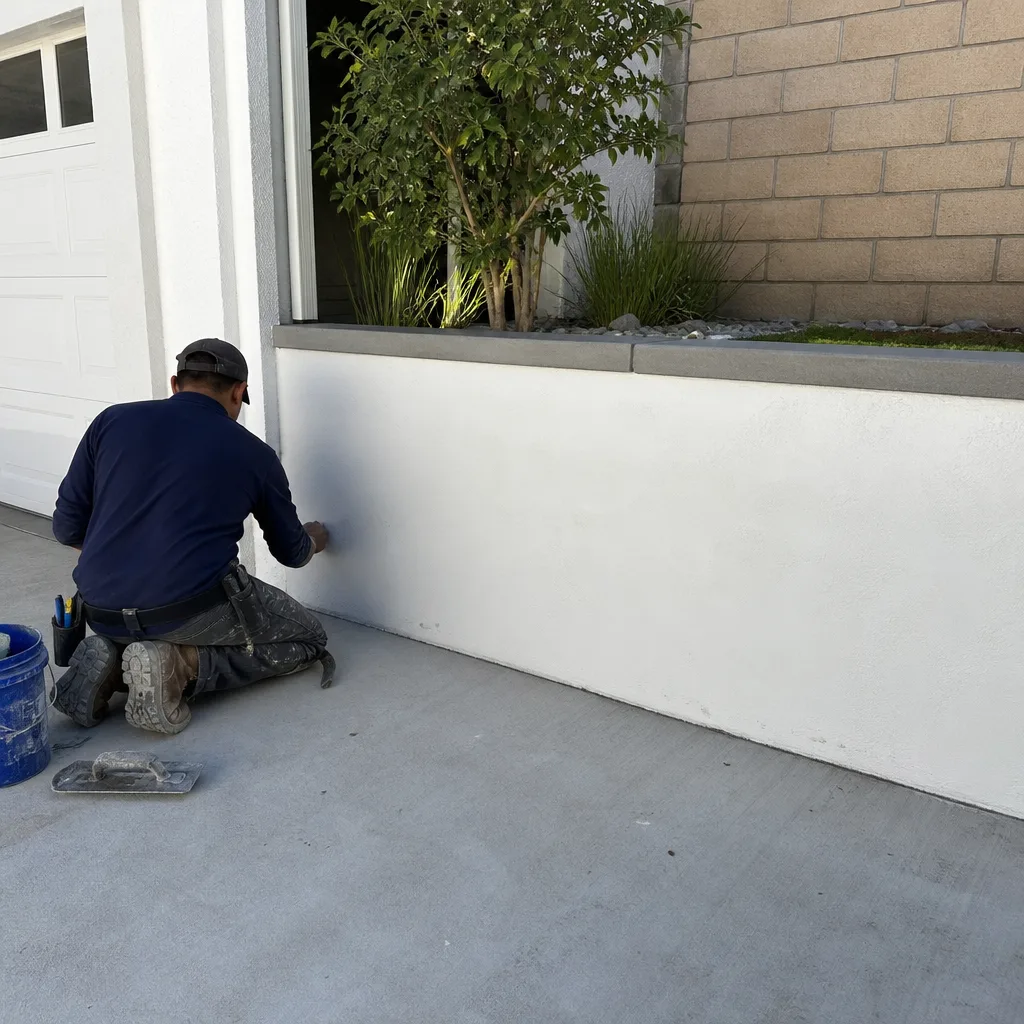 After
After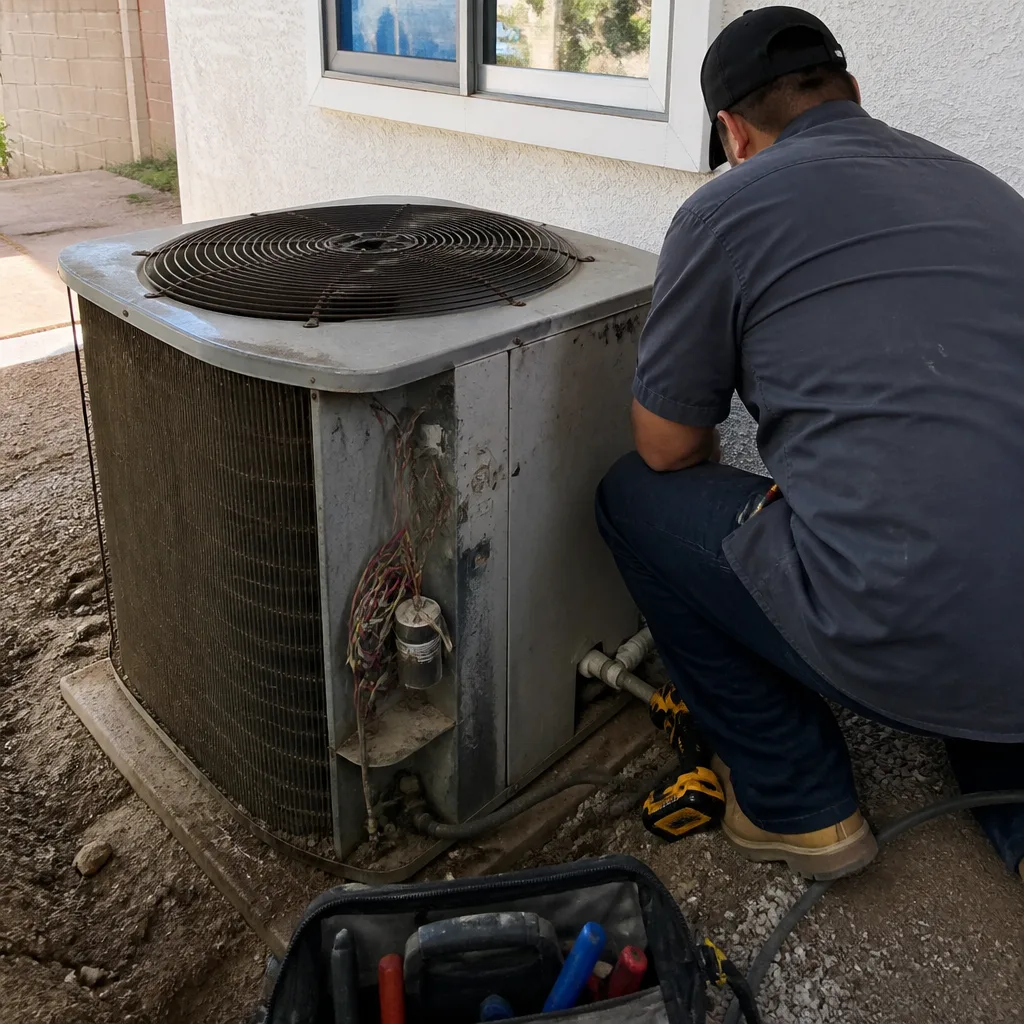 Before
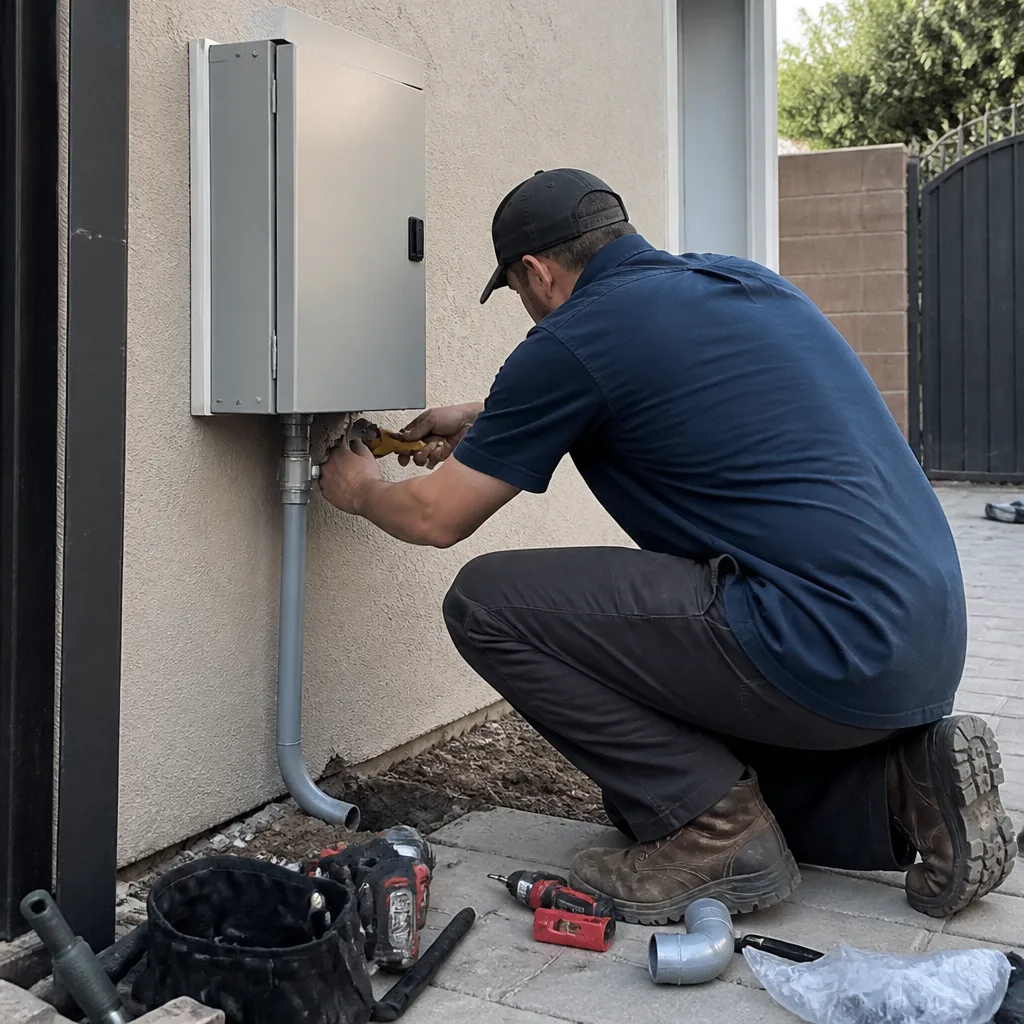 After
After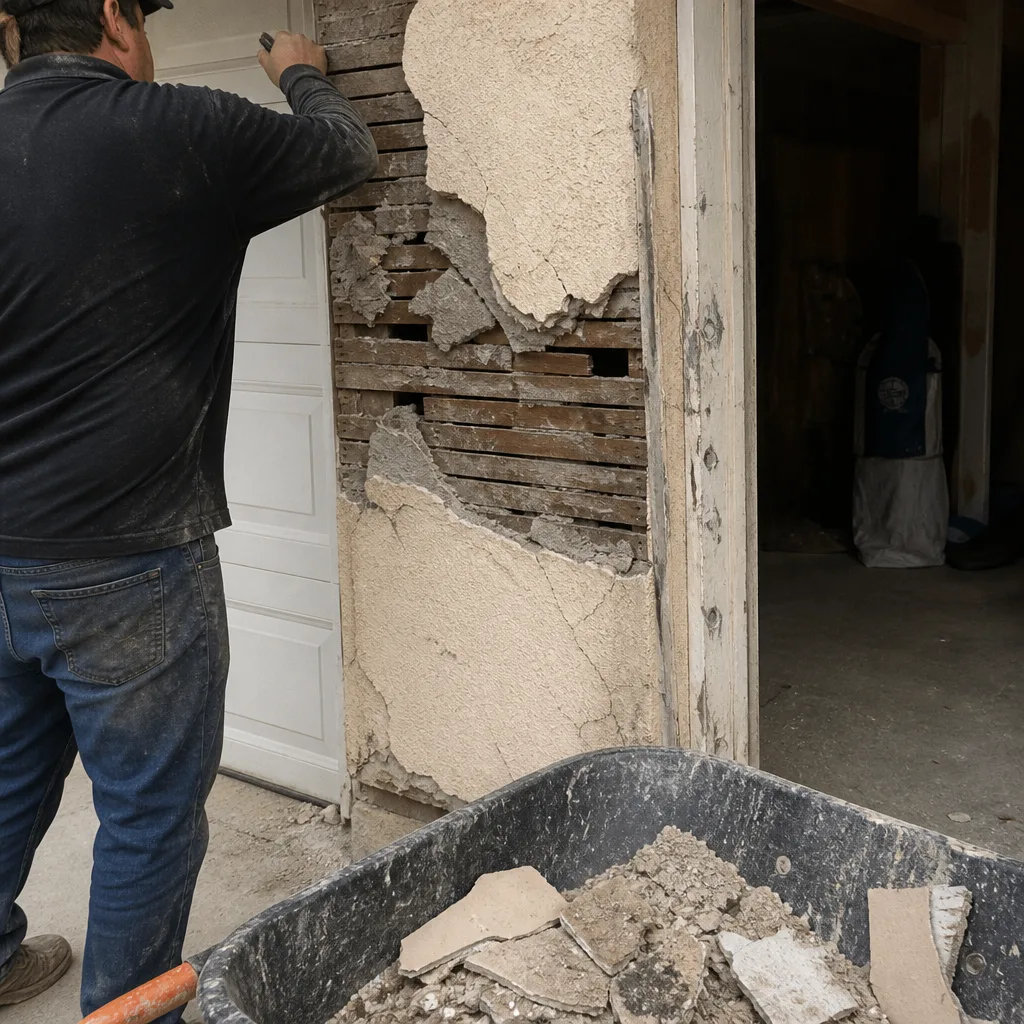 Before
 After
After