
Free written scope consultation - allowances, timeline, and change-order rules on paper before a single trade is scheduled
Silestone Home Additions & ADU: The Santa Clarita Owner’s Guide
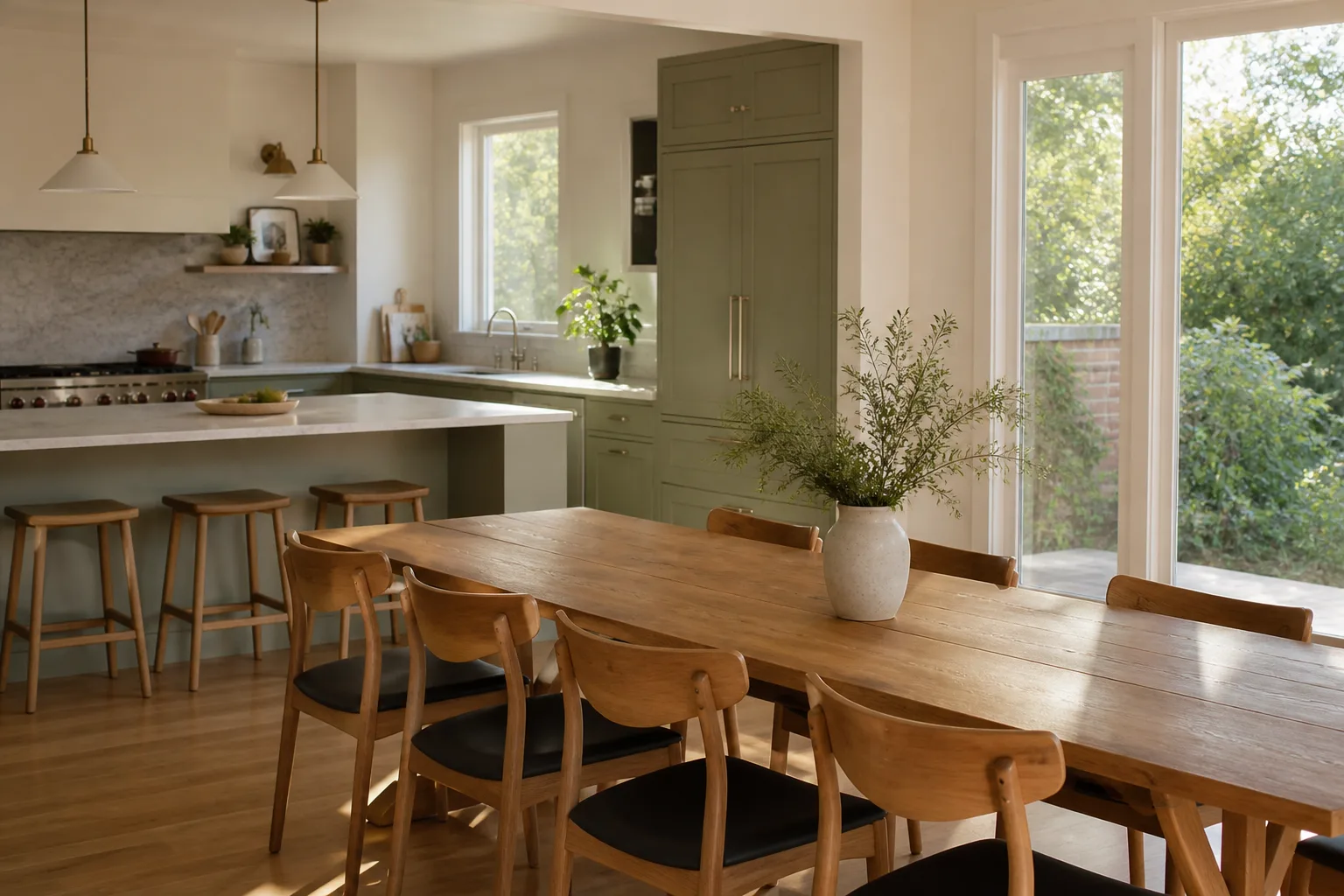
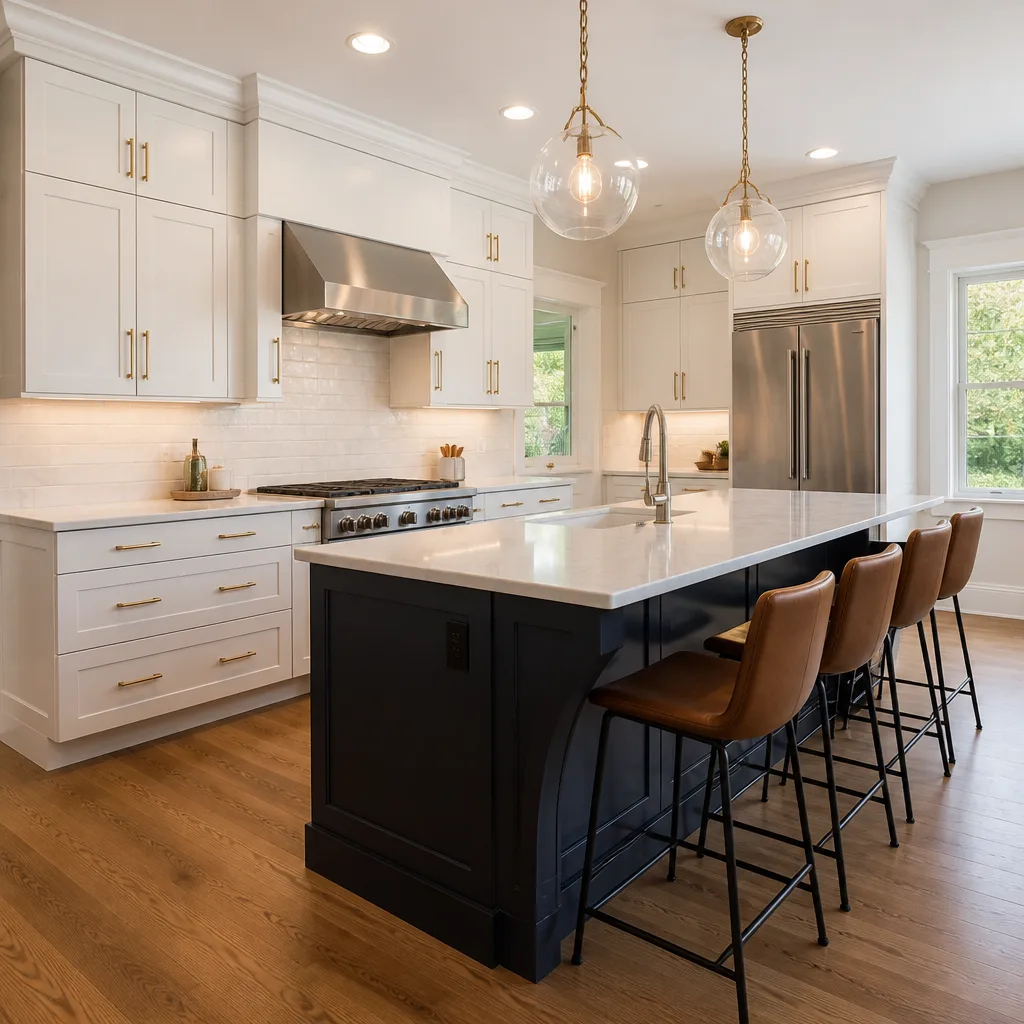
If you’re planning a home addition or ADU in Santa Clarita with Silestone surfaces, the residential construction range typically runs $45,000 to $130,000 for an addition, and $90,000 to $220,000 for a full ADU build. We install Silestone quartz on kitchen and bath surfaces inside those projects, and we match slab remnants and edge profiles when a section needs replacing or extending. Where homeowners usually run into trouble is when a Silestone seam separates, a surface chips at a corner during the framing or drywall phase, or the original slab was cut wrong for a new peninsula or island layout.
This page covers what we know from years of working with Silestone across Santa Clarita: which models and profiles play well with additions and ADUs, what fails first, what it costs to fix or replace, and whether you should touch it yourself or call us. We’re an independent contractor, not affiliated with Silestone, but we install and service their quartz products regularly, and we can tell you exactly what to look for.
Key Takeaways
- Silestone slabs used in Santa Clarita additions and ADUs typically fall in the $2,000 to $6,500 installed range per countertop area, depending on slab size and edge profile.
- If a Silestone section cracks or separates during construction, the fix is usually a seam repair or a section replacement, not a full re-slab.
- We stock common Silestone edge profile bits, color-matched seam adhesive, and remnant slabs for patch work on the truck.
- Silestone’s quartz is manufactured in Spain, and slab availability in Santa Clarita depends on which distributor has stock that week; we verify before quoting.
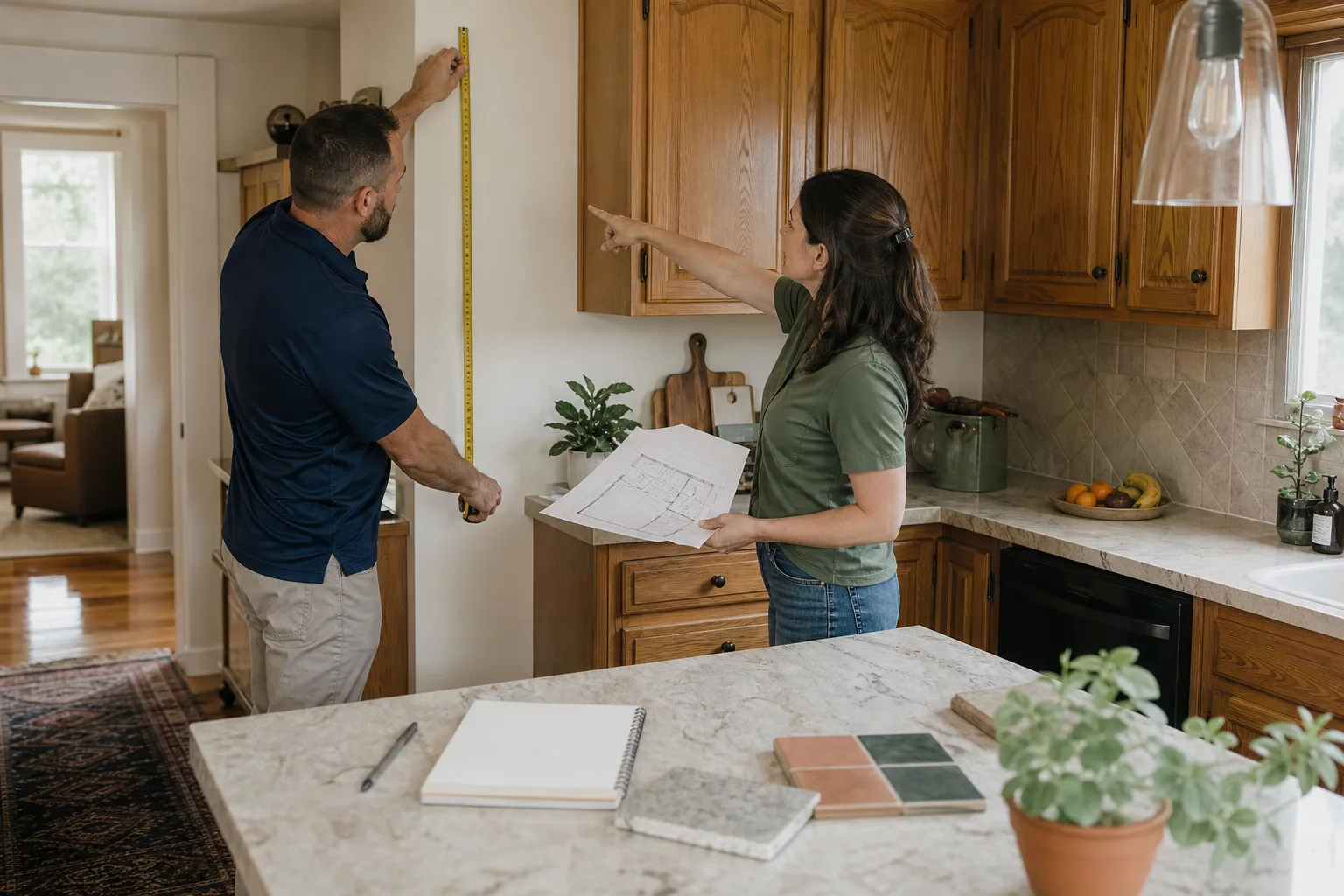
- The written price we give you before work starts is the price on the invoice. That’s not a slogan. Graham Stein, who runs our Santa Clarita crew, still writes estimates by hand first.
Styles & brands we work with
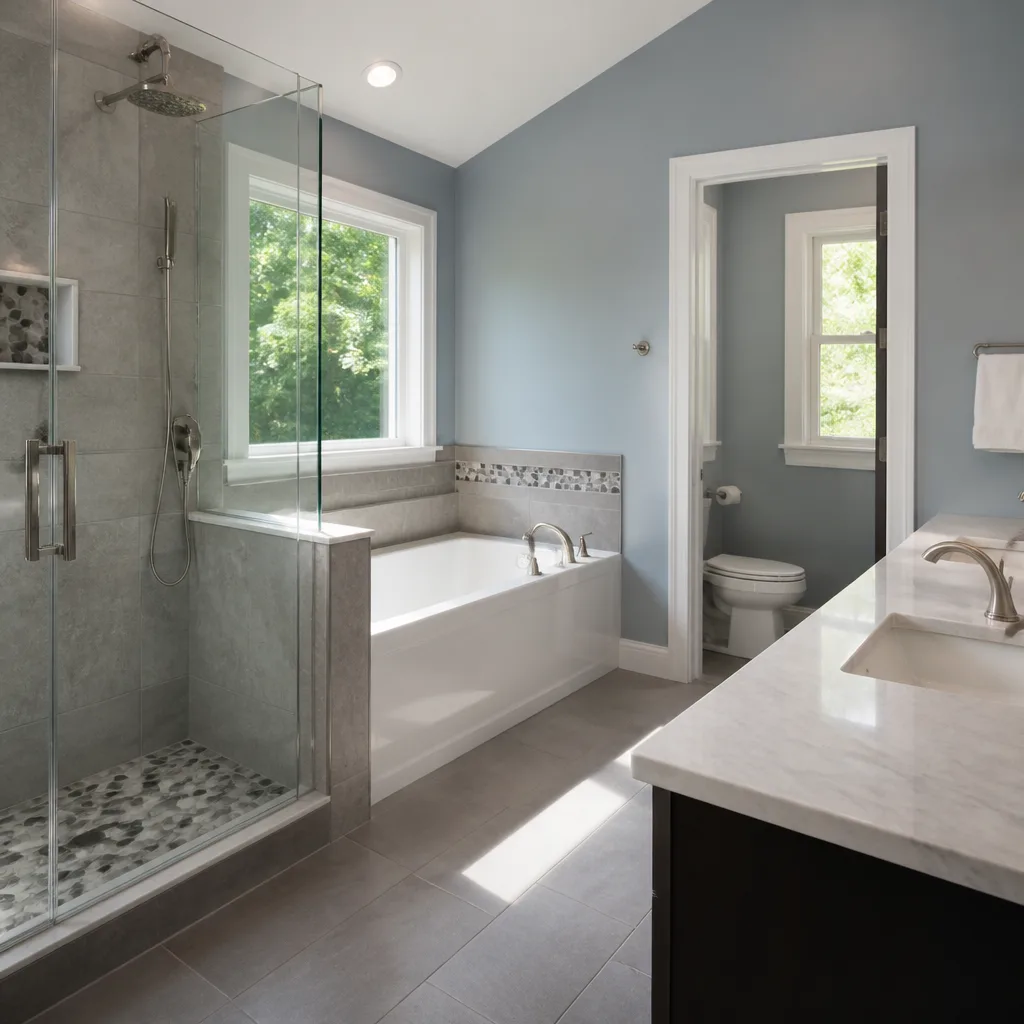
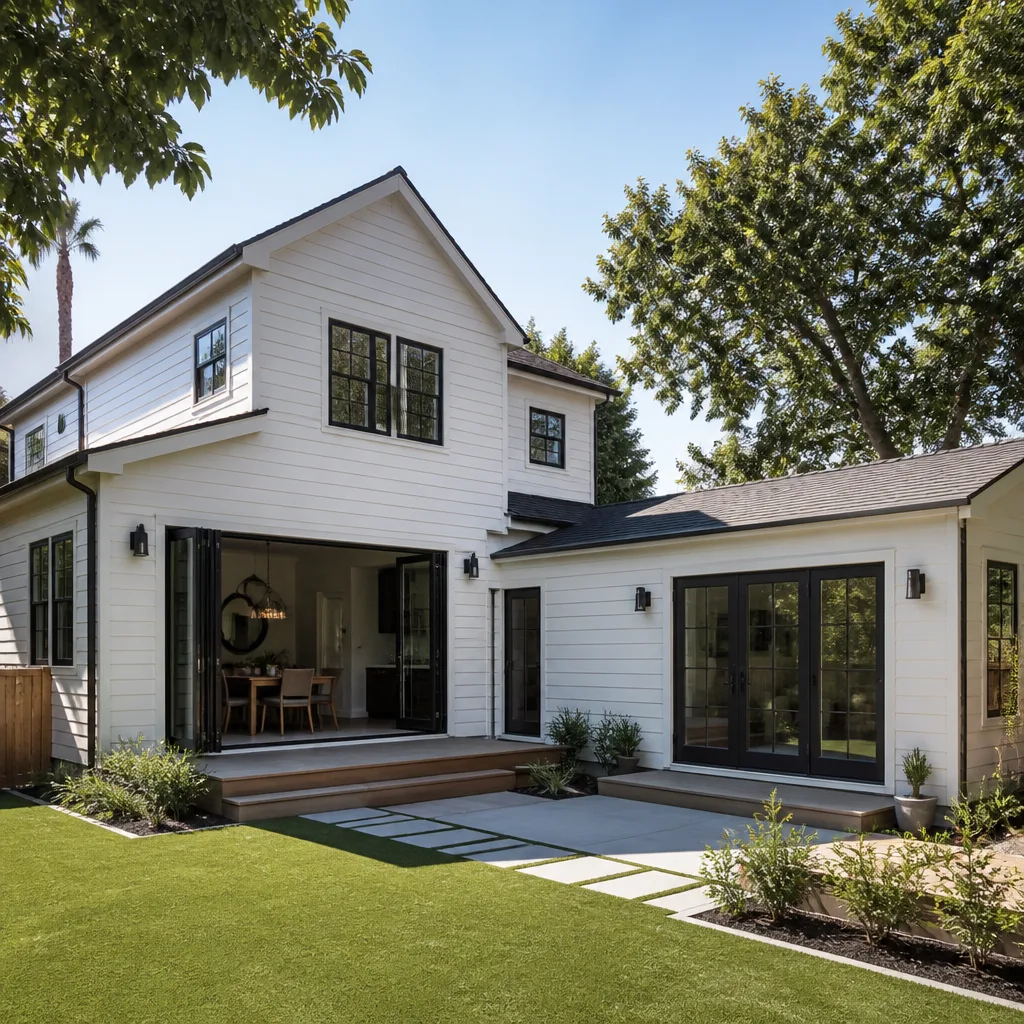
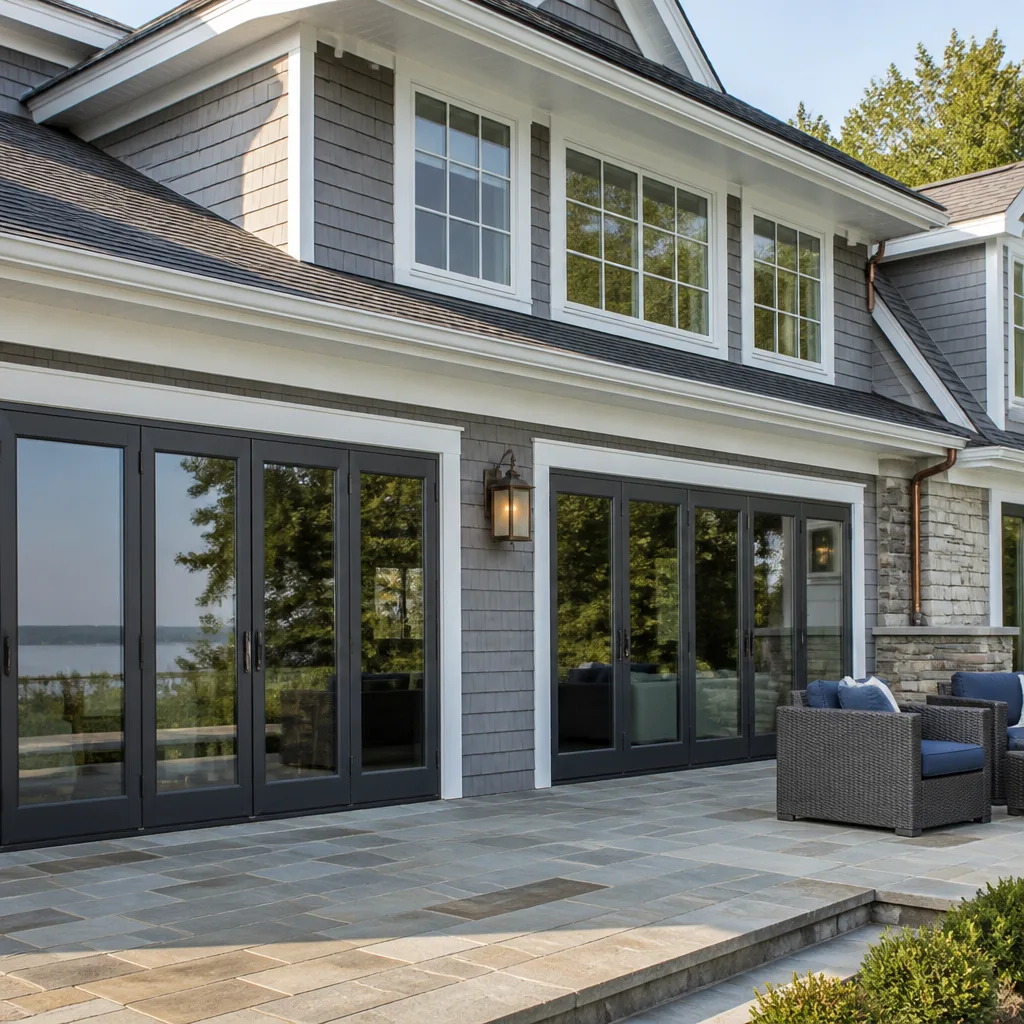
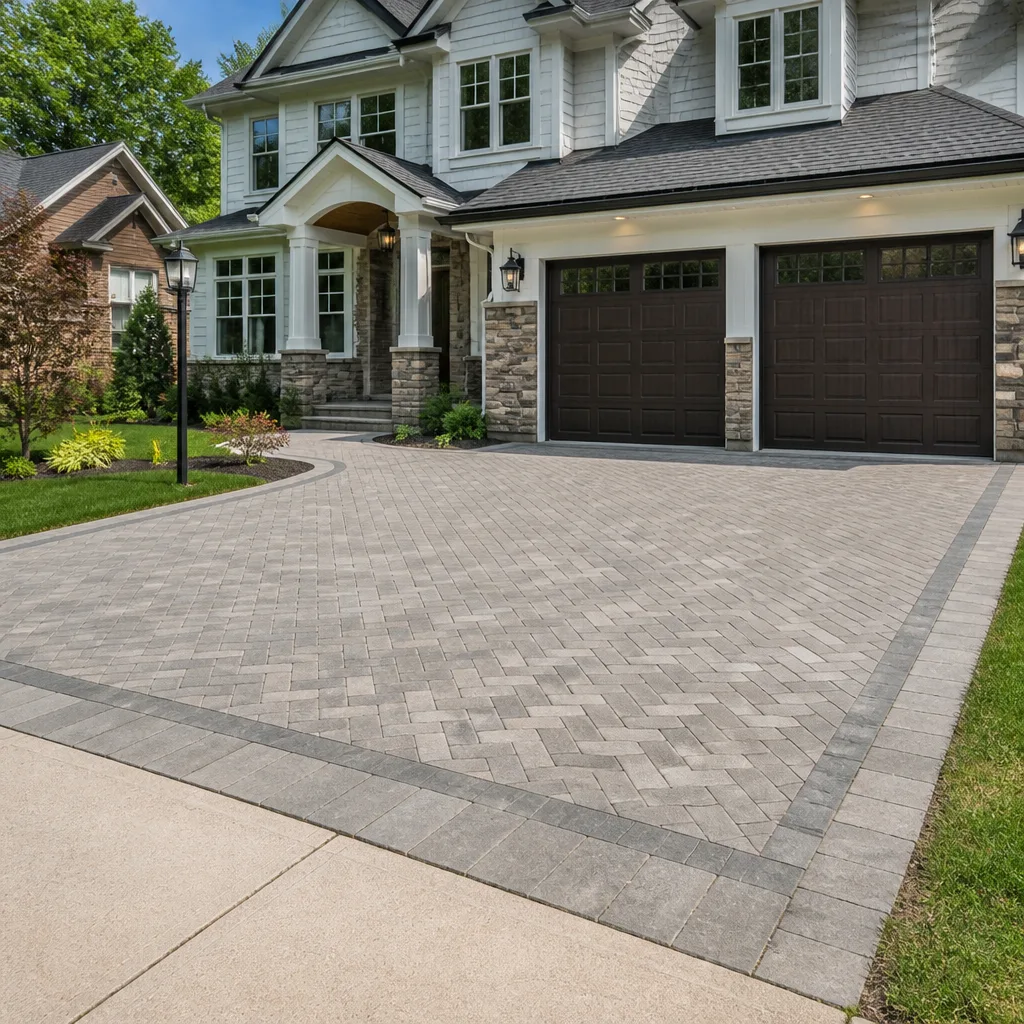
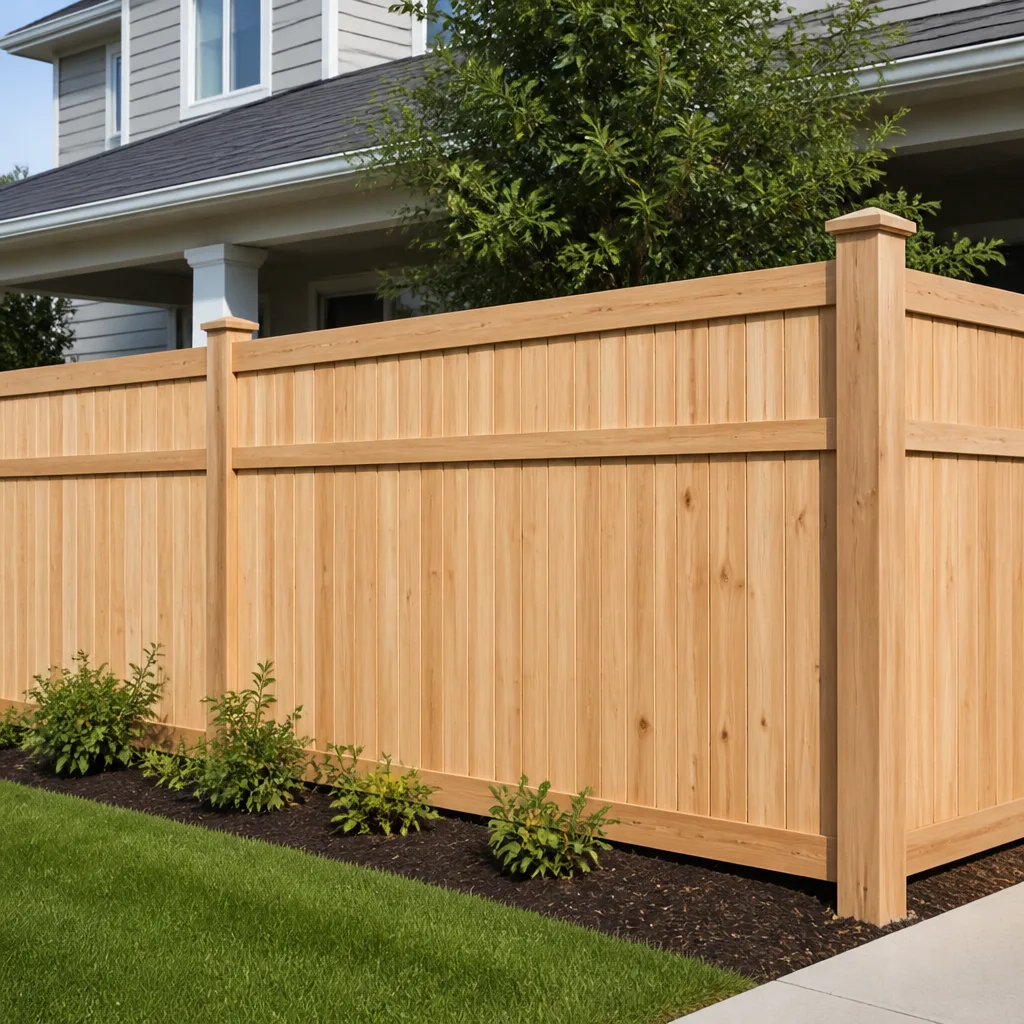
Which Silestone Models This Applies To
Silestone has shifted its product lines over the years, and the name alone doesn’t tell you enough. The older Series 1 and Series 2 slabs, the Suede and polished finishes, the newer HybriQ+ and Le Chic lines, and the outdoor-focused Sunlit Days collection all have slightly different resin binders and slab thicknesses. Most interior countertops in Santa Clarita run at 2 cm or 3 cm. The 3 cm slabs don’t need plywood underlayment; 2 cm slabs often do, and that changes the edge profile and the install height.
To identify what you have, look for the Silestone identification sticker on the underside of the slab, usually near a corner or along the back edge. If the sticker is gone, measure the thickness and note the finish: matte, polished, or the subtle Suede texture. The color name matters too. Silestone reuses color names across lines, and a “White Zeus” from 2012 may not match a “White Zeus” from 2024. When we need to match a section for an addition or ADU, we bring a physical sample to the supplier, not just a photo and a name.
For OEM versus aftermarket: Silestone doesn’t sell repair parts like a car manufacturer does. The “part” is the slab itself, the color-matched adhesive, and the edge profile. We use Silestone’s own color-match seam kits where available, and high-quality third-party quartz adhesives that hold up to Santa Clarita’s temperature swings. The one thing we won’t do is substitute a different quartz brand’s remnant for a Silestone repair. The mineral composition is different, and the repair will fail visually even if it holds structurally.
Signs Your Silestone Home Additions & ADU Is Failing
- Hairline crack running from a sink or cooktop cutout. This is the most common stress point. Quartz doesn’t flex like natural stone, and a cutout puts concentrated tension at the corners. In Santa Clarita, the summer heat expands the slab, and if the installer didn’t leave an expansion gap at the walls, the crack appears within a year or two.
- Visible seam separation between two slabs. Seams should be nearly invisible. When one side of the seam sits higher than the other, or the adhesive line darkens and widens, the substrate underneath is moving. In an ADU or addition, this often traces back to framing settlement or a cabinet that wasn’t fully shimmed.
- Chipped edge, usually at a corner or a dishwasher opening. Silestone is hard, but the edges are still vulnerable to impact. A dropped pot or a toolbox set down too hard during construction will take a chip out of a 3 cm edge. The chip is repairable if you save the fragment; without it, the repair is a color-matched fill that will never look perfect.
- Dull spot or white haze that won’t clean off. This is often etch or resin damage from a harsh chemical. Silestone’s resin binder can react with paint strippers, acetone, or aggressive cleaners used during a remodel. The fix is usually a professional surface polish, not a DIY scrub.
- Island overhang flexing or bouncing. In new additions, we sometimes see overhangs that were cut to span too far without support brackets. Silestone is strong in compression but not in tension. An unsupported 14-inch overhang on a 3 cm slab will eventually crack. The fix is adding corbels or steel brackets before the crack starts.
See the difference
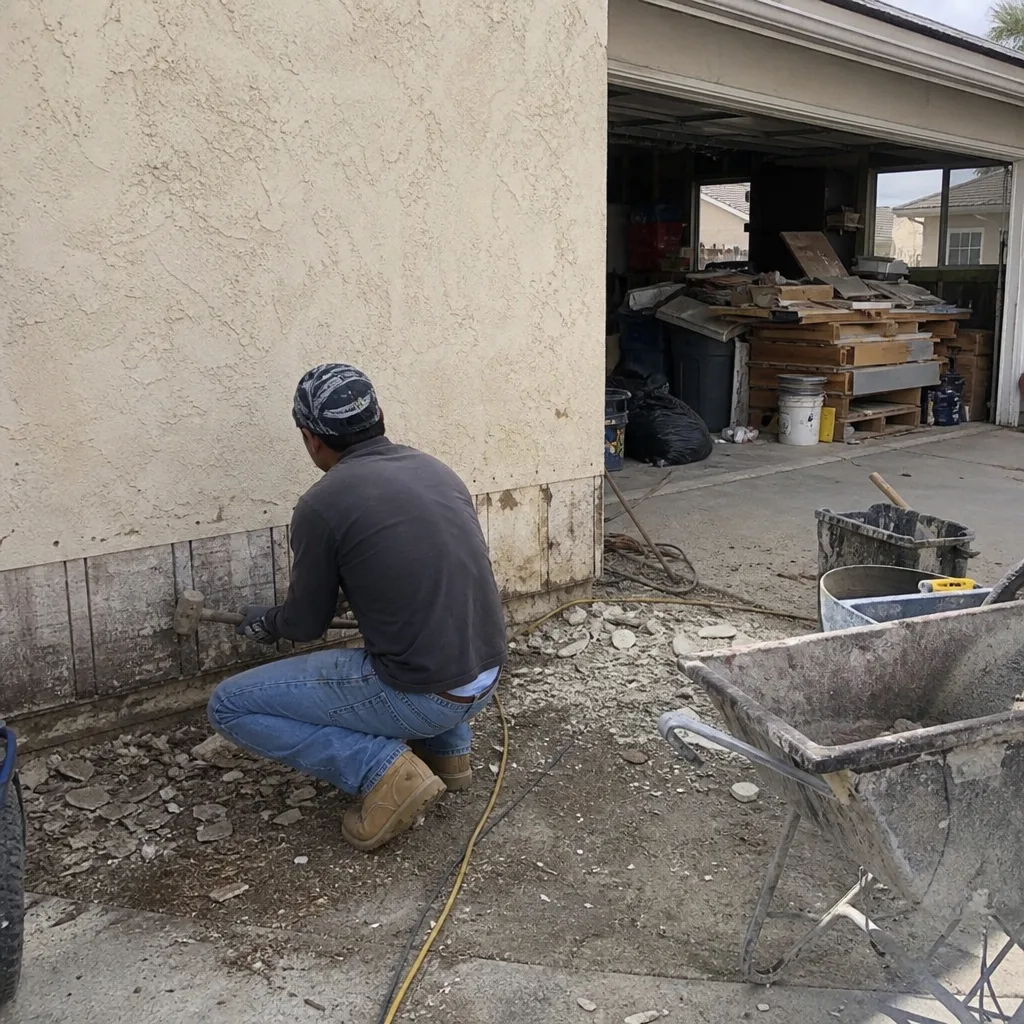 Before
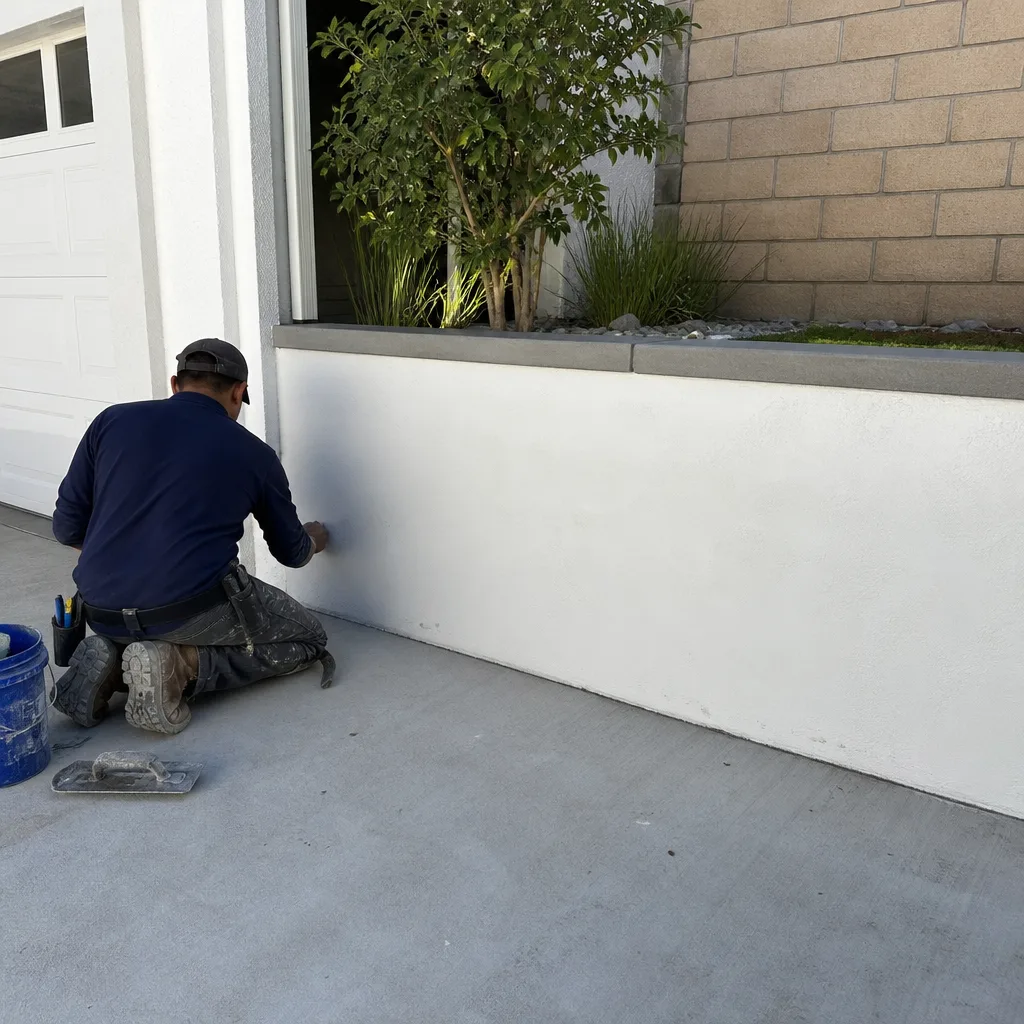 After
After Before
 After
After Before
 After
AfterReplacement Cost & What’s Included
For the full addition or ADU scope, the $45,000 to $130,000 range for a home addition and $90,000 to $220,000 for an ADU covers framing, drywall, electrical, plumbing, flooring, and the Silestone surfaces installed. That’s the range we quote in Santa Clarita, and it holds unless you change the scope after we hand you the written price.
If you’re only replacing or repairing a Silestone section in an existing home, countertop installation runs $2,000 to $6,500 depending on slab size, edge profile, and whether we’re pulling the old surface and resetting the cabinets. A simple seam repair or chip fill runs a few hundred dollars, and we typically finish it in one visit. What’s included: the slab, template and fabrication, delivery, install, seam adhesive matched to your color, edge profiling, and cleanup. What’s not included: structural framing changes, plumbing fixture changes, or permits, which we handle as separate line items you’ll see before we start.
Every Silestone surface we install is covered by our written workmanship warranty, and the slab itself carries the manufacturer’s warranty that you can verify directly with Silestone. We’ll hand you the warranty card and the slab lot number before we leave.
DIY or Call Us?
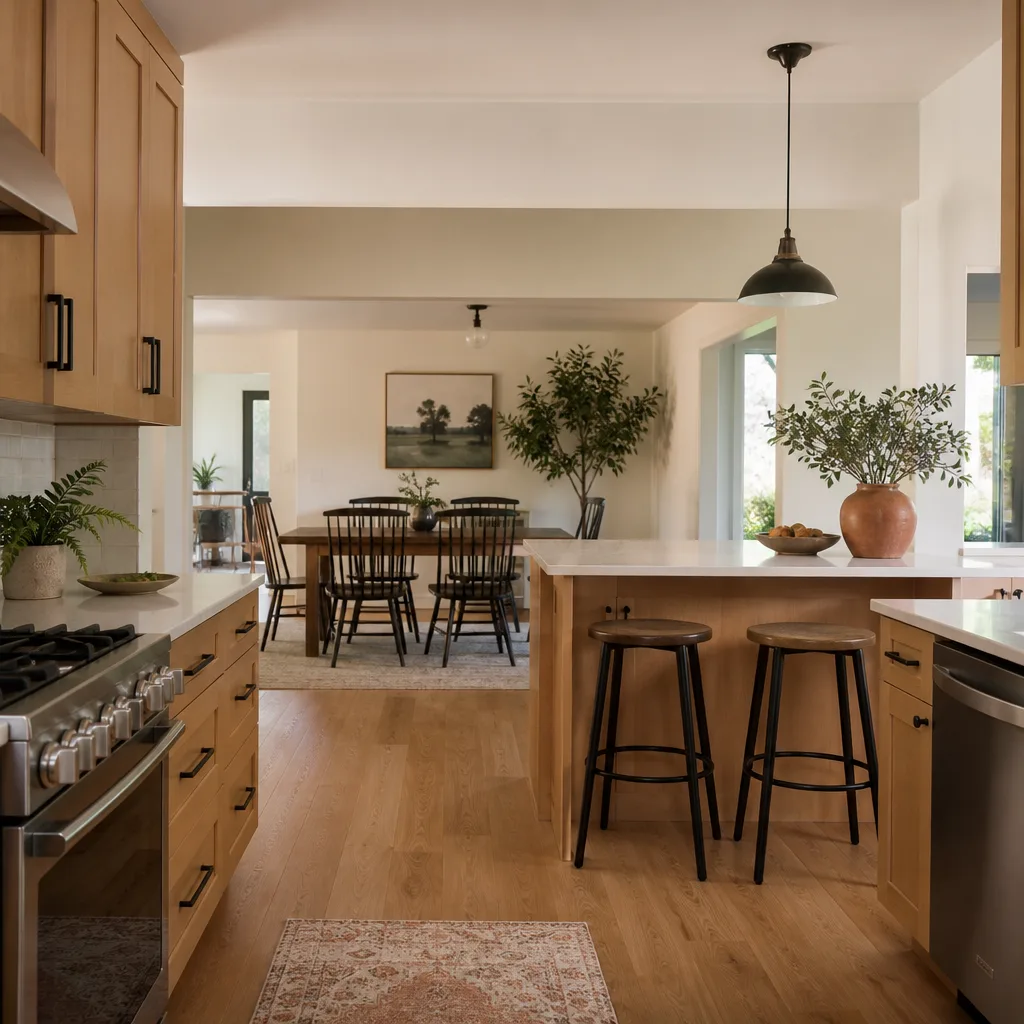
You can safely check a few things yourself. Look under the slab for the thickness marking. Note where the seams are and whether they’re separating. Check for chips, cracks, or dull spots. Take photos with your phone and note the color name if you can find the sticker. That information helps us quote accurately before we even come out.
What we don’t recommend is attempting a DIY quartz repair. Silestone is not a forgiving material. The seam adhesives are two-part polyester or epoxy resins that cure fast, and getting the color match wrong means the repair is more visible than the original damage. The slab weighs roughly 20 pounds per square foot for 3 cm stock; a kitchen island slab can weigh 300 pounds or more. Moving it without the right suction cups and a second person is how backs and corners get broken. If the section is cracked or the seam has separated, call us at (661) 542-4056. We’ll give you a written price before any work starts, and the price on the paper is the price on the invoice.
FAQs
A properly installed Silestone surface lasts 20 to 30 years in Santa Clarita’s climate, and the manufacturer’s warranty covers the slab for 25 years against manufacturing defects. The real lifespan depends on install quality: expansion gaps at the walls, proper seam placement away from sink and cooktop corners, and adequate support under overhangs. Those are the things we check on every job.
A hairline crack can be stabilized with a color-matched adhesive fill, and it’ll hold structurally, though the repair line may remain faintly visible under certain light. If the crack runs through a sink or cooktop cutout, replacement of that section is the honest recommendation. We’ll tell you which one applies to your slab before you spend anything.
A typical Silestone section replacement in Santa Clarita takes one to two days once the slab arrives: template on day one if we haven’t already measured, fabrication at the shop, then install with seam adhesive on day two or three. If we’re matching an existing color, add a day or two for us to pull the remnant or order the slab from the distributor.
We stock common edge profile bits, color-matched seam adhesives in the most popular Silestone colors, polish compounds, and remnant slabs for small patching. Full slabs are ordered from the distributor, and we verify stock and lead time before we quote you a date. Call (661) 542-4056 and we’ll check availability while you’re on the phone.
No. The written price we give you before any work begins includes the slab, fabrication, install, and cleanup. If we find hidden damage during the job, we stop and show you what we found, then give you a new written price for the additional scope before we continue. You approve every dollar before we spend it. Call (661) 542-4056 for a free estimate on your Silestone home addition or ADU project, and we’ll walk you through the sequence of work before anything is signed.
Written by Graham Stein, Owner, Elmstead Remodeling Santa Clarita at Elmstead Remodeling Santa Clarita, serving Santa Clarita and nearby areas.