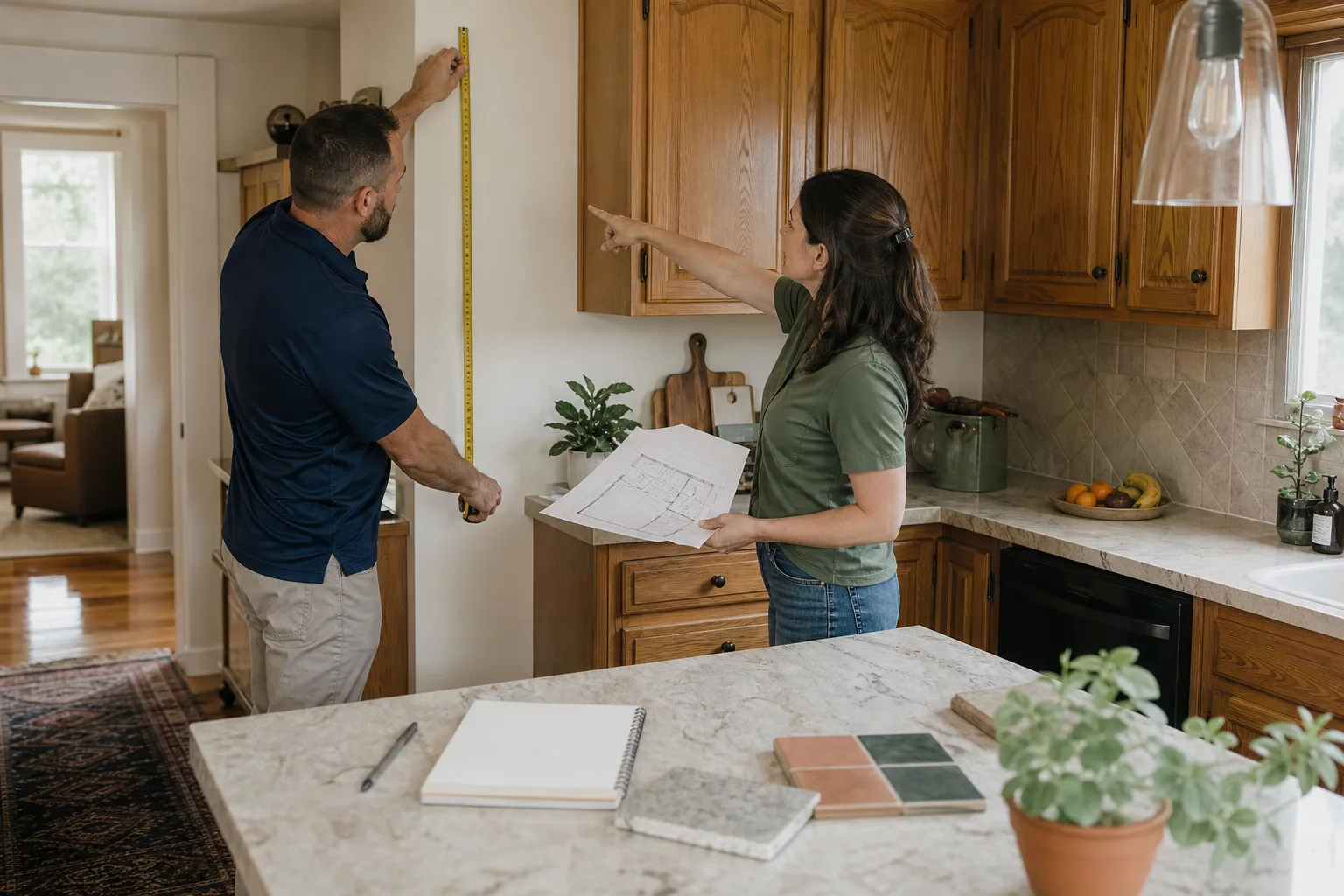

Free written scope consultation - allowances, timeline, and change-order rules on paper before a single trade is scheduled
Sakrete Roofing: The Santa Clarita Owner’s Guide
Sakrete roofing products in Santa Clarita typically fail at the flashing points and edge seals first, not the surface material itself. We stock Sakrete-compatible patching compounds, sealants, and roof coatings for most residential applications, and most repair jobs on Sakrete-surfaced roofs in this area run between $400 and $1,800 installed, depending on how far the damage has spread. If you’re reading this, you’ve probably spotted a water stain on the ceiling, a lifted seam near a vent pipe, or crumbling material around a skylight curb after one of our Santa Clarita heat waves did what it does to exposed roofing surfaces.
Here’s the part most owners don’t realize until they’re standing on a ladder: Sakrete roof products are concrete-based, which means they expand and contract differently than asphalt or acrylic coatings during Santa Clarita’s 40-degree overnight-to-noon temperature swings in fall. That movement is exactly where failures show up. The material itself is tough. The bond lines around penetrations are where it gives.
Key Takeaways
- Sakrete roof repairs in Santa Clarita cost $400 – $1,800 installed, with most jobs falling between $600 and $1,200.
- The failure point is almost always a seam, flashing line, or penetration, not the main surface.
- Roofing work is high and awkward. If you’re not comfortable on a ladder with tools, don’t do this one yourself.
- We bring written pricing before any work starts, so you know the number before we open a single bucket.
Which Sakrete Models This Applies To
Sakrete makes several roof-relevant product lines, and the compatibility question matters more than most homeowners expect. The two you’ll most likely have on a Santa Clarita roof are their Roof-Flex elastomeric coating series and their Flash-N-Seal flashing and seam repair compounds. These are not interchangeable. Roof-Flex is designed for broad surface coverage on flat or low-slope roofs; Flash-N-Seal is a thicker, trowel-grade patching material for seams, fasteners, and penetrations. We’ve had callers try to patch a seam with leftover surface coating, then wonder why it peeled by the next rain. Different viscosity, different cure profile, different job.
To identify what you have, look for the imprint on the bucket or tube: Sakrete stamps a product code and coverage rate on the side label. If the label is gone (sun does that in Santa Clarita, especially on south-facing storage walls), the texture tells you a lot. Surface coatings brush on thin and dry smooth. Flashing compounds are thick enough to hold a trowel notch. When in doubt, take a photo and text it to us before you buy anything. We’ll match it.
On the OEM-vs-aftermarket question for Sakrete specifically: we use genuine Sakrete products when the repair involves a large surface area where reflectivity, cure time, and warranty matter. For small seam touches and edge sealing, we sometimes use a commercial-grade polyurethane sealant that outperforms the original in direct sun exposure. We’ll tell you which one we’re using and why, and the price is in writing before we start.
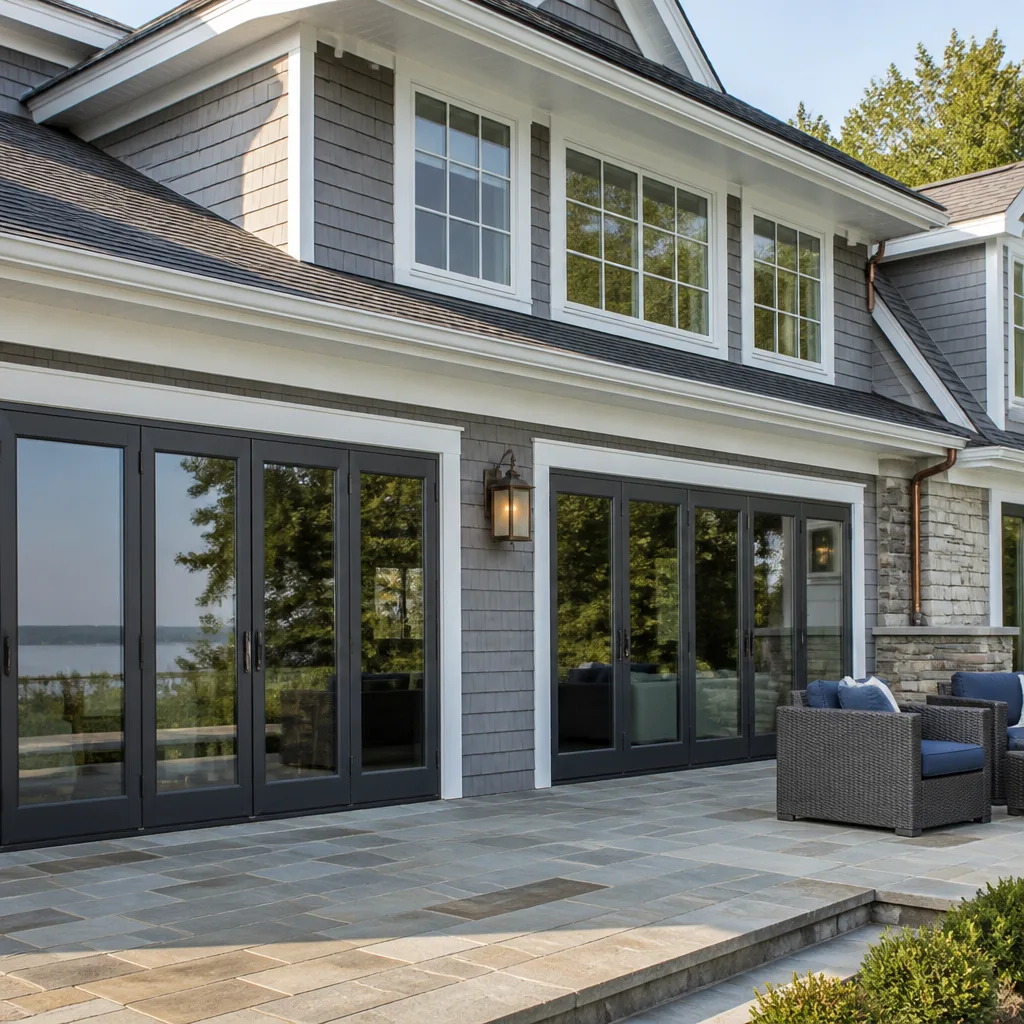
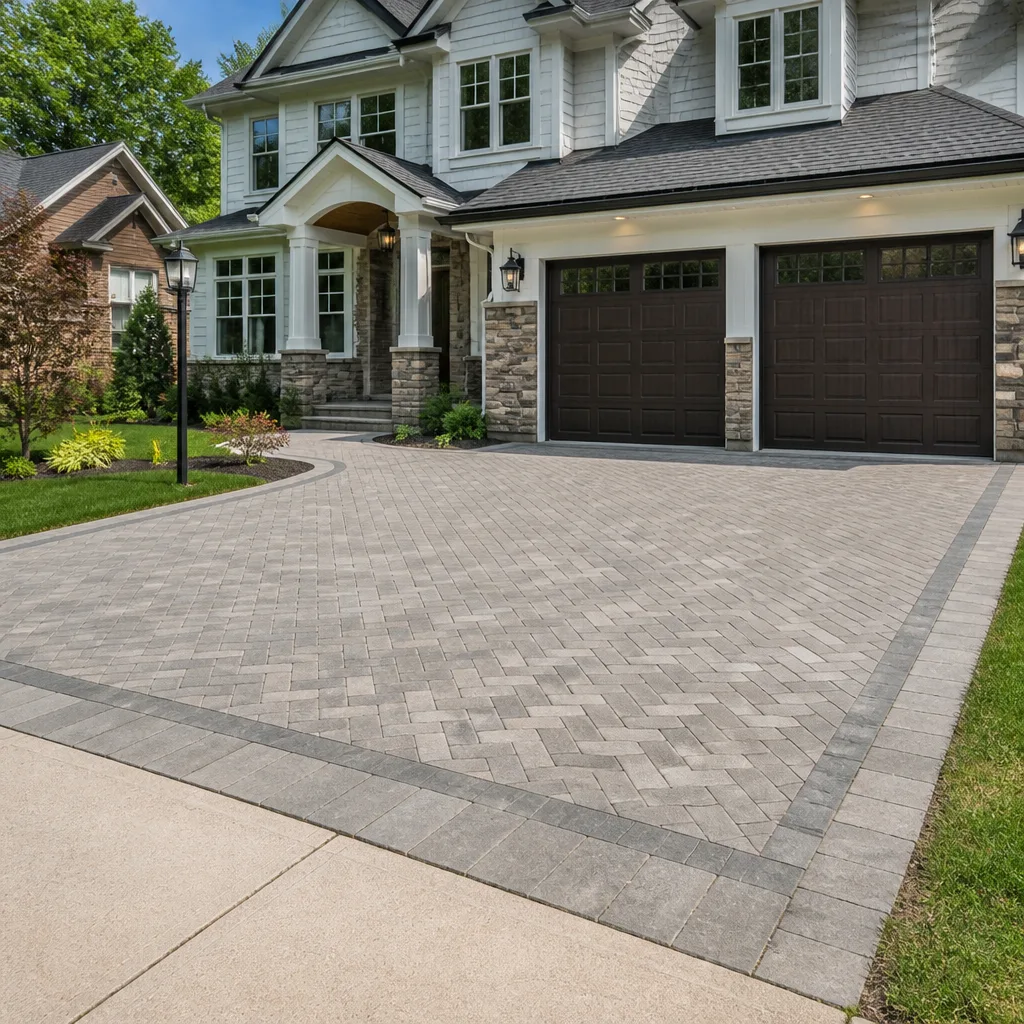
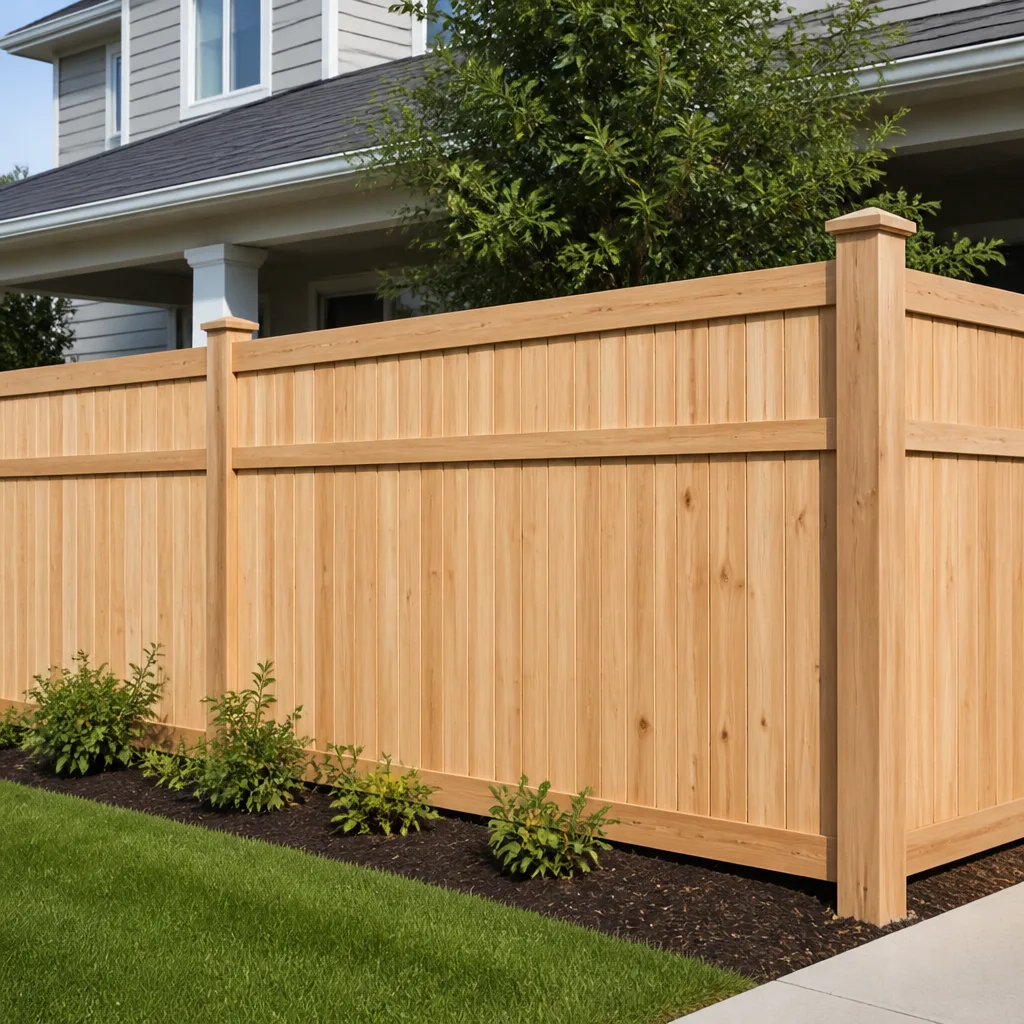
Styles & brands we work with
Signs Your Sakrete Roofing Is Failing
- Ceiling water stains that darken after a downpour: This usually means a seam or flashing bond has opened enough for water to travel under the coating and along the deck. Santa Clarita’s brief but intense winter rains push water sideways in ways a light drizzle never does.
- Cracks radiating from a pipe boot or vent collar: Concrete-based coatings cure rigid. When the pipe or vent expands at a different rate, the coating cracks at the junction. That’s the #1 failure point we see in Stevenson Ranch and Valencia homes built in the early 2000s.
- Chalky residue running down the roof toward gutters: UV degradation is breaking down the surface binder. The coating is still waterproof today, but it’s losing its top layer and will get porous within a season or two.
- Visible lifting at the edge of a coated area: If the coating’s edge is peeling back like old paint, water gets under it during wind-driven rain. Once it starts, it spreads along the bond line.
- Pooling water that leaves a dark outline when it finally dries: The puddle itself isn’t the problem on a Sakrete surface. The outline means the coating is holding evaporation-mark minerals and losing its seal in that exact spot.
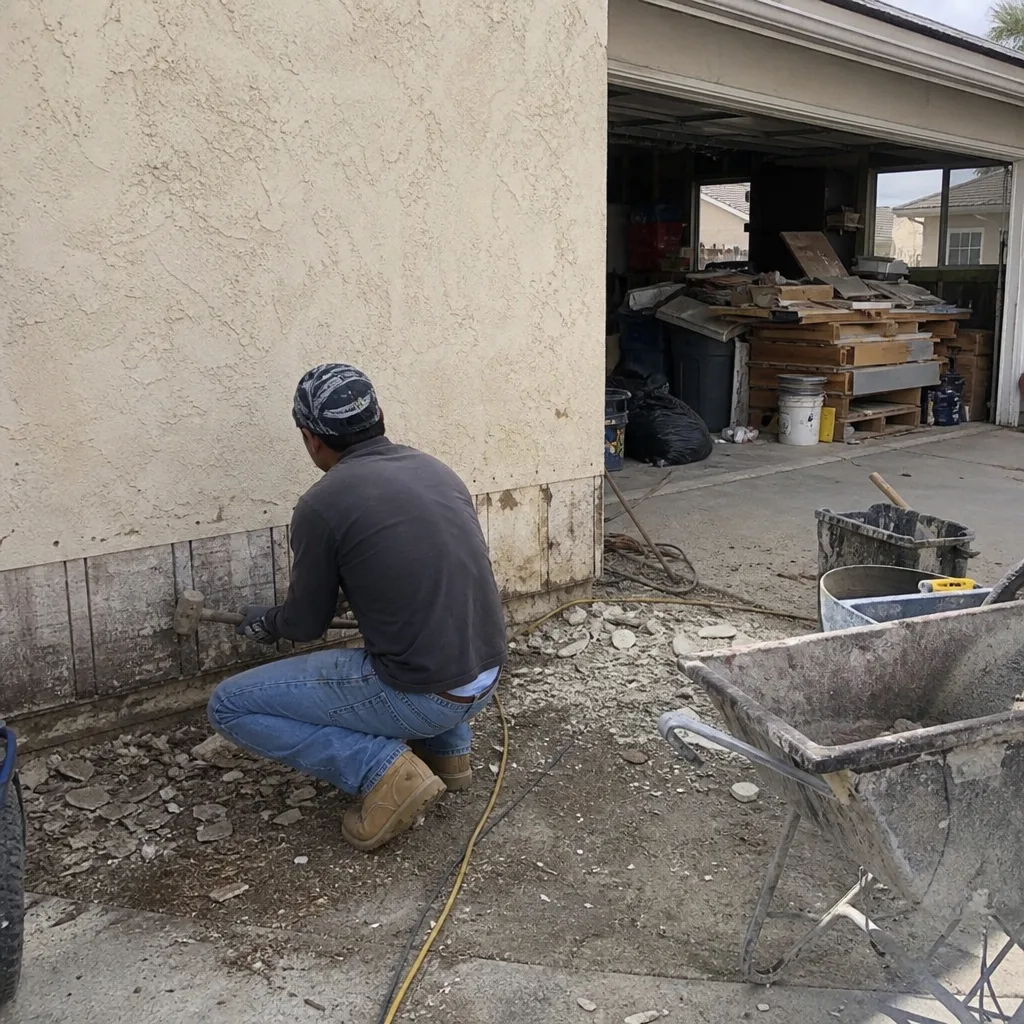
See the difference
 Before
 After
After Before
 After
After Before
 After
AfterReplacement Cost & What’s Included
For Santa Clarita specifically, here’s what you should expect to pay for Sakrete roof repair work:
- Small seam or flashing repair: $400 – $700
- Multi-point repair around several penetrations: $700 – $1,200
- Larger area re-coating over a failed surface: $1,200 – $1,800
- Full roof replacement (if the deck is compromised): $8,000 – $20,000
Every one of those numbers includes the material, the labor, the clean-up, and our walk-around with you of exactly what we did and why. We give you the written price before work starts, and the price on the paper is the price on the invoice. No change order appears because the crew “found something.” If we find something, we stop and call you with photos and a new written number before we touch it. That’s how we’ve run every Santa Clarita roofing job since Graham Stein started this company.
DIY or Call Us?
Here’s our honest advice after years of fixing DIY roofing attempts in Santa Clarita: you can safely check what’s wrong, but you should not be on your roof with a bucket of patching compound if the slope is more than a gentle pitch. The safe, useful things you can do are marking the ceiling stain with painters’ tape so you can see if it’s growing, checking for visible cracks from the ground with binoculars, and clearing debris from gutters so drainage isn’t backing up under your roofline. Those are legitimate homeowner moves.
The dangerous part comes when you’re on a ladder, reaching sideways, with a trowel in one hand and a bucket in the other. Roof falls are real. The materials also need surface temperatures within a specific range to cure properly. Too hot, and Sakrete coating skins over before it bonds. Too cool, and it won’t set right. We handle the climb, the prep, and the cure. You handle the part where you call (661) 542-4056 and describe what you’re seeing. We’ll tell you straight-up whether a repair is reasonable or whether the roof has hit the end of its service life.
FAQs
A properly applied Sakrete Roof-Flex coating on a flat or low-slope Santa Clarita roof typically lasts 7 to 10 years before the bond lines need attention, though the surface itself can hold for longer if it’s not walked on. Our sun and temperature swings are harder on the seams than on the coating itself.
Yes, and it’s the most common job we do on Sakrete surfaces. If the failure is isolated to seams, flashings, or penetrations and the surrounding surface is still bonded, a targeted repair costs hundreds, not thousands. We’ll tell you honestly if the surrounding area is too degraded for spot work.
Most seam and flashing repairs are finished the same day, usually within 4 to 6 hours including prep and clean-up. Larger recoats may run a second day depending on cure time and weather. We schedule with your family’s routine in mind, including quiet-tool hours when we know kids are home from school.
Yes. We keep Roof-Flex surface coating, Flash-N-Seal patching compound, and the sealants we use on Sakrete repair jobs stocked on our work vehicles. That’s why we can handle most same-day repair calls in Santa Clarita without waiting for a material run.
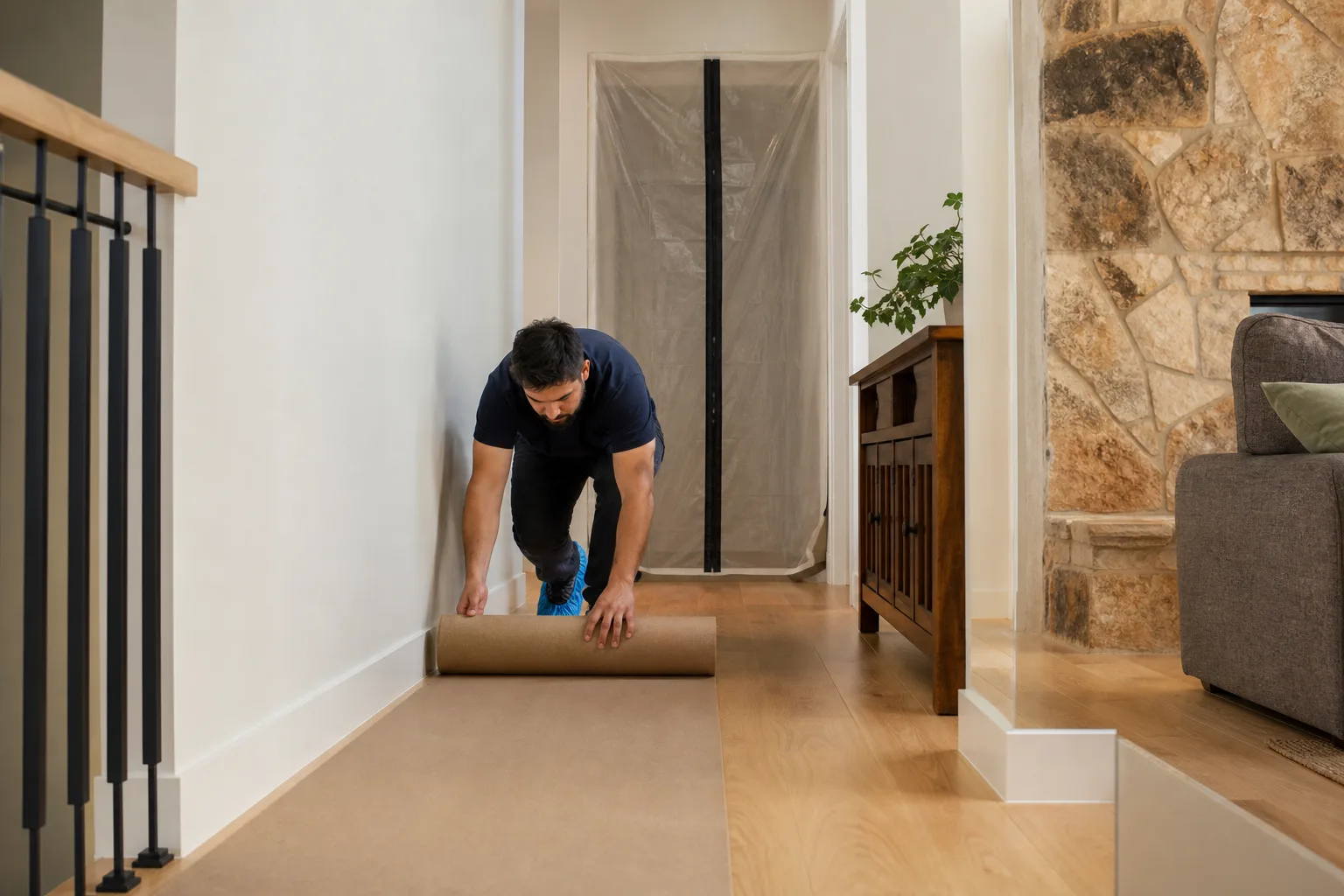
If you’ve got a Sakrete roof making you nervous, call us at (661) 542-4056. We’ll talk through what you’re seeing, give you a written price range on the phone, and schedule a time that works for your family. The estimate is free, and the drop cloths come out before anything else.
Written by Graham Stein, Owner, Elmstead Remodeling Santa Clarita at Elmstead Remodeling Santa Clarita, serving Santa Clarita and nearby areas.