Free written scope consultation - allowances, timeline, and change-order rules on paper before a single trade is scheduled
Quikrete Home Additions & ADU: The Santa Clarita Owner's Guide
Quikrete is the backbone of most Santa Clarita home additions and ADU foundations, slabs, and stem walls we see, and when the concrete work is done right, the structure above it stands for decades. A full home addition in Santa Clarita with Quikrete foundation work typically runs $45,000 – $130,000, while an ADU built on a Quikrete slab or stem-wall foundation lands between $90,000 – $220,000. You’re most likely on this page because you’re planning an addition or ADU and want to know whether Quikrete is the right concrete for the job, how it holds up in our Santa Clarita heat, and what it actually costs to do it right.
Which Quikrete Products Apply to Home Additions & ADUs
Not all Quikrete is the same, and the product you choose depends on what part of the addition or ADU you’re pouring. Here’s the breakdown we use on Santa Clarita projects, and it’s the same one you’ll hear from any concrete supplier in the valley.
- Quikrete 5000 Concrete Mix: This is the 5,000 PSI mix we spec for ADU slabs and addition foundations in Santa Clarita. It’s the one that handles the thermal expansion and contraction we get from 100-degree summers and 35-degree winter nights without cracking the way a 3,000 PSI mix might.
- Quikrete Crack-Resistant Concrete Mix: For interior slabs where you’ll lay tile or engineered wood, this mix has reinforcing fibers that reduce shrinkage cracks. We use it on addition floors where the finish will be visible.
- Quikrete Concrete Mix (standard 4,000 PSI): Fine for non-structural pads, walkways, and small landings. Not what we’d put under an addition that will hold a bedroom and a kitchen.
- Quikrete Mortar Mix and Mason Mix: For stem walls and block work on ADUs, this is what holds the CMU together. The mix ratio matters more than most homeowners realize.
The compatibility gotcha: Quikrete 5000 requires a specific water-to-mix ratio, and on a 90-degree Santa Clarita day, the open time drops fast. Mix it too wet and you lose PSI. Mix it too dry and you get cold joints. This is the single most common reason we see cracked addition slabs from DIY pours. An OEM product in the right hands is excellent. In the wrong hands, no bag of Quikrete can save the pour.
Styles & brands we work with
Signs Your Quikrete Home Addition or ADU Foundation Needs Attention
- Hairline cracks running corner to corner on the slab. In Santa Clarita, most hairline cracks are cosmetic shrinkage from a hot-weather pour. But if the crack is wider than 1/16 inch or shows vertical displacement, you could have a subgrade or mix issue that needs a structural look.
- Doors and windows in the addition that stick or won’t latch. This often shows up 12 to 24 months after the build and points to slab movement. Concrete that wasn’t properly compacted underneath or mixed with too much water will settle, and the frame will tell you first.
- Efflorescence, the white powdery residue on exposed Quikrete surfaces. It’s common in Santa Clarita’s dry climate when moisture moves through the slab and deposits salts. It’s usually cosmetic, but persistent efflorescence on an ADU stem wall can signal a drainage or vapor-barrier problem.
- Spalling or flaking concrete on the top surface. This is the California sun doing its work. Concrete exposed to direct sun all summer without a moisture cure or sealer loses its surface. The structural slab is usually fine, but the finish is gone.
- A hollow sound when you tap the slab in spots. That’s delamination, and it means the top layer of the Quikrete pour separated from the base. It happens when the surface was finished before bleed water cleared. This one is a repair, not a wait-and-see.
See the difference
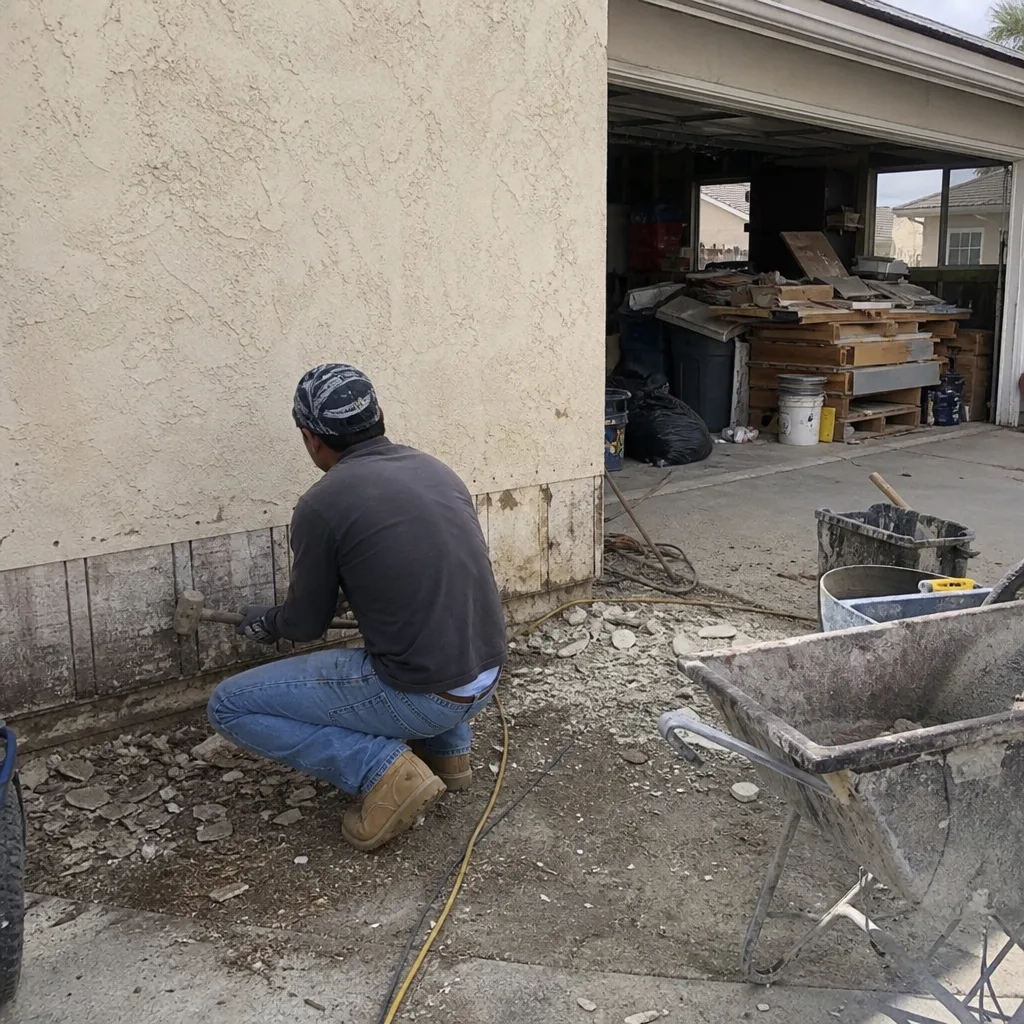 Before
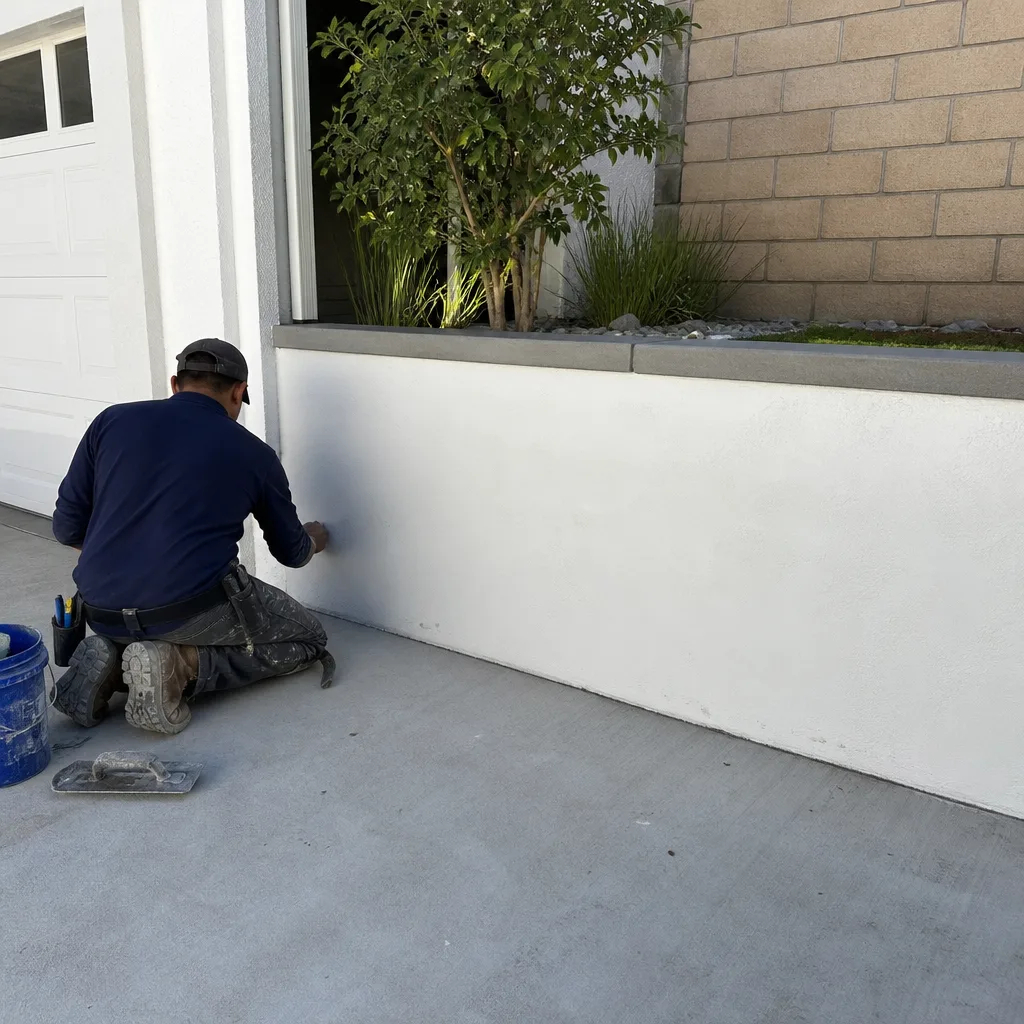 After
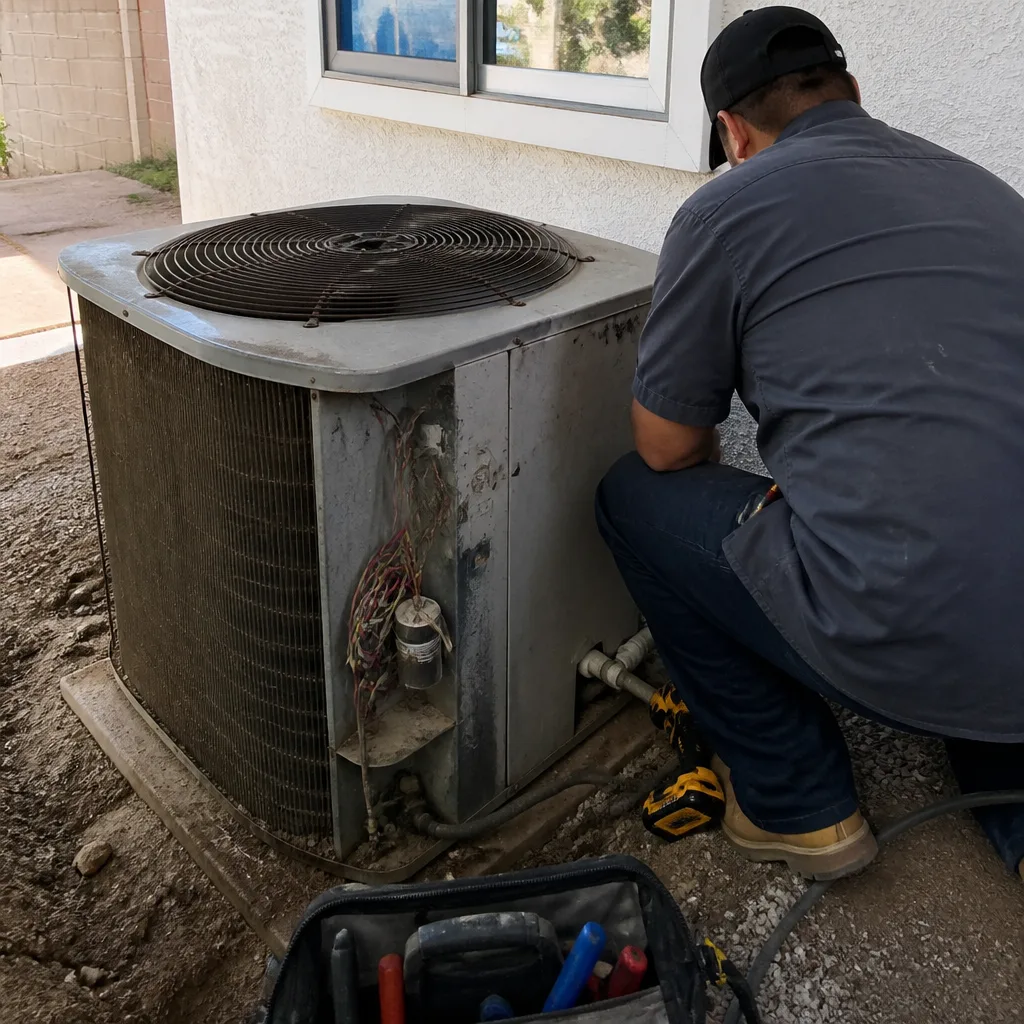 Before
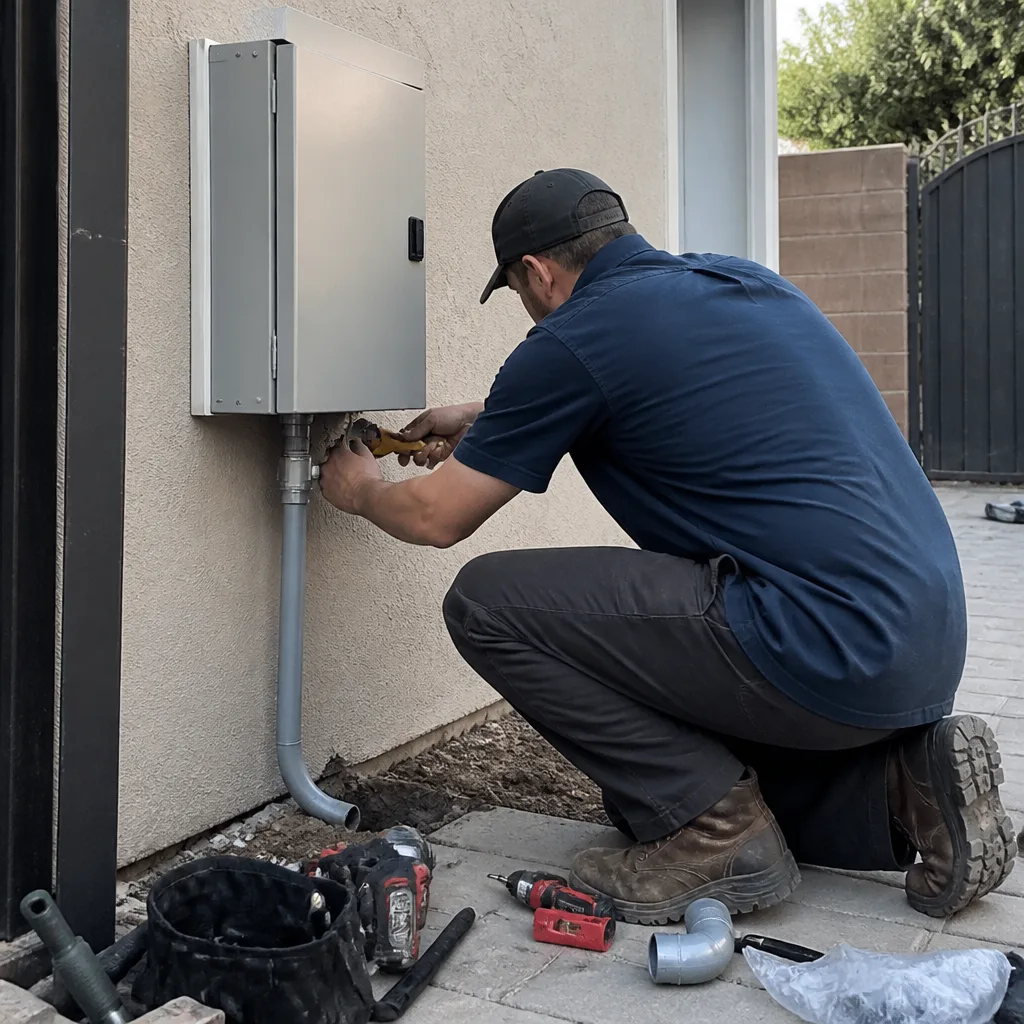 After
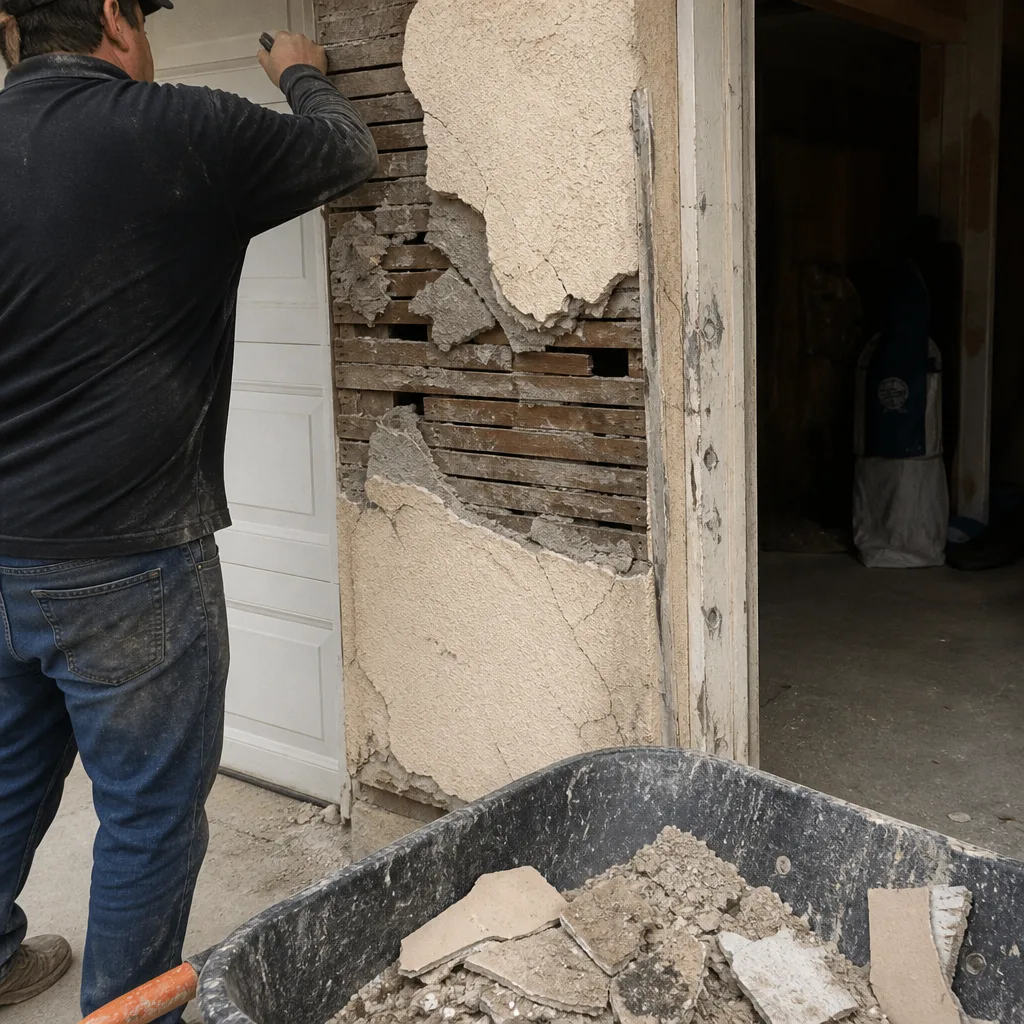 Before
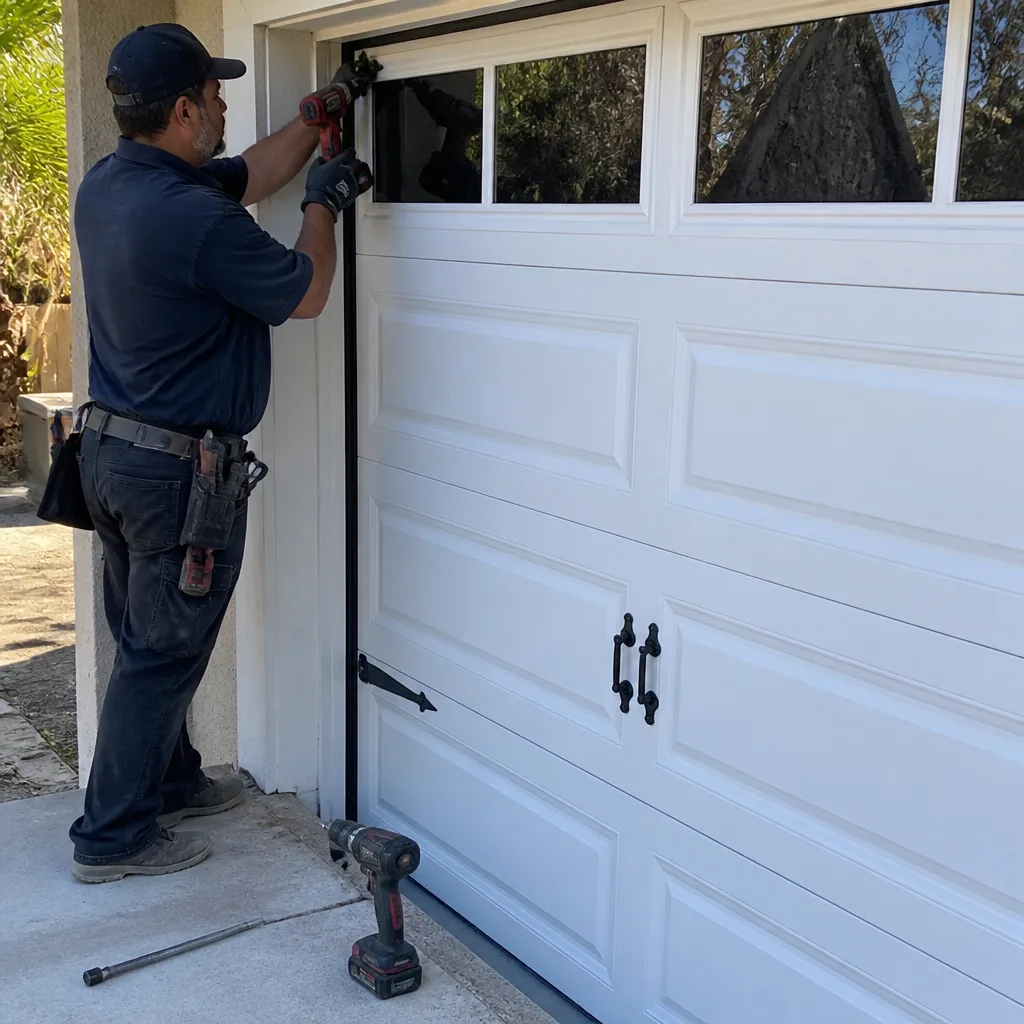 After
Replacement Cost & What’s Included
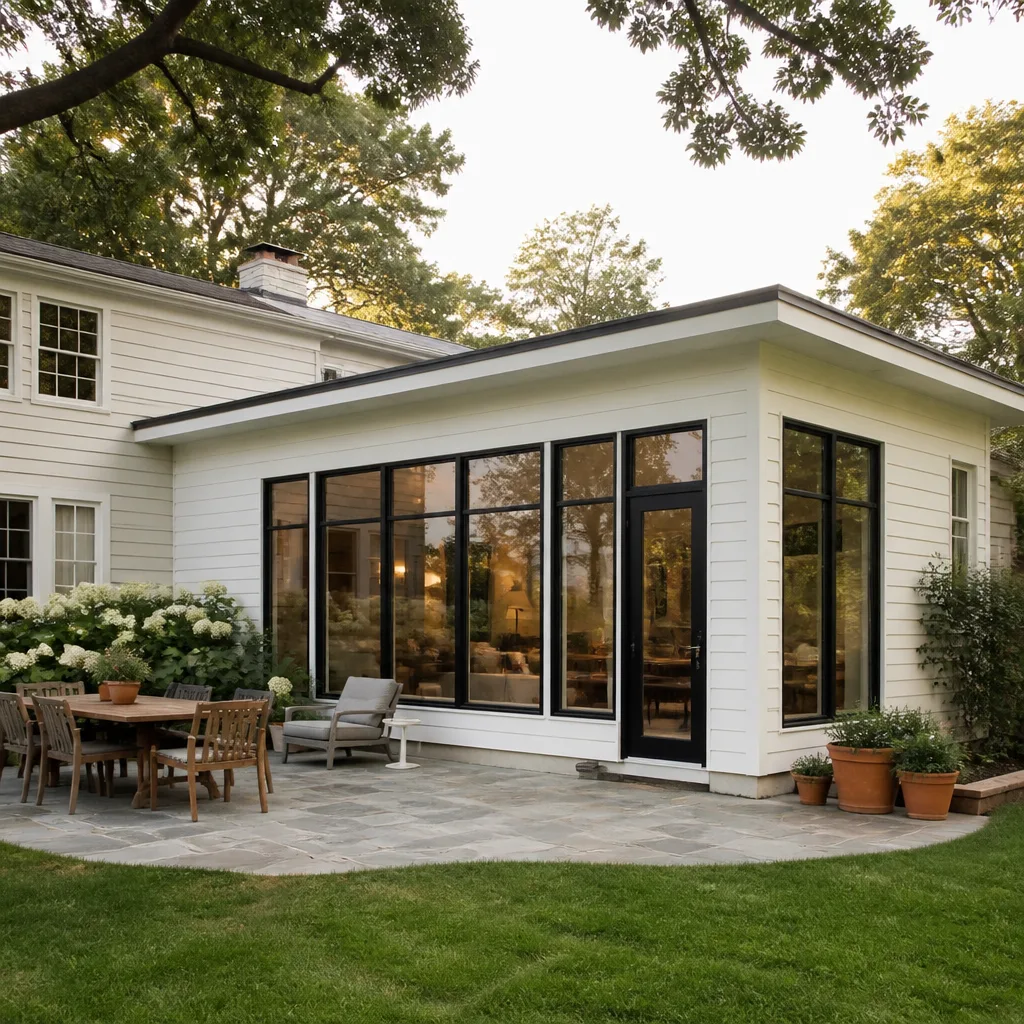
For a home addition in Santa Clarita, the $45,000 – $130,000 range covers everything from footings to finish: excavation, Quikrete formwork and pour, framing, roofing, electrical, plumbing, drywall, flooring, and paint. For an ADU, the $90,000 – $220,000 range reflects the full scope including the Quikrete foundation, utility runs, kitchen and bath buildouts, and the final inspection. The wide range comes down to square footage, site access, soil conditions, and finish level.
What drives cost up on Quikrete work specifically: deeper footings if the soil report requires them, stem-wall height on sloped lots like parts of Saugus and Canyon Country, and hot-weather pours that need early-morning scheduling and curing blankets.
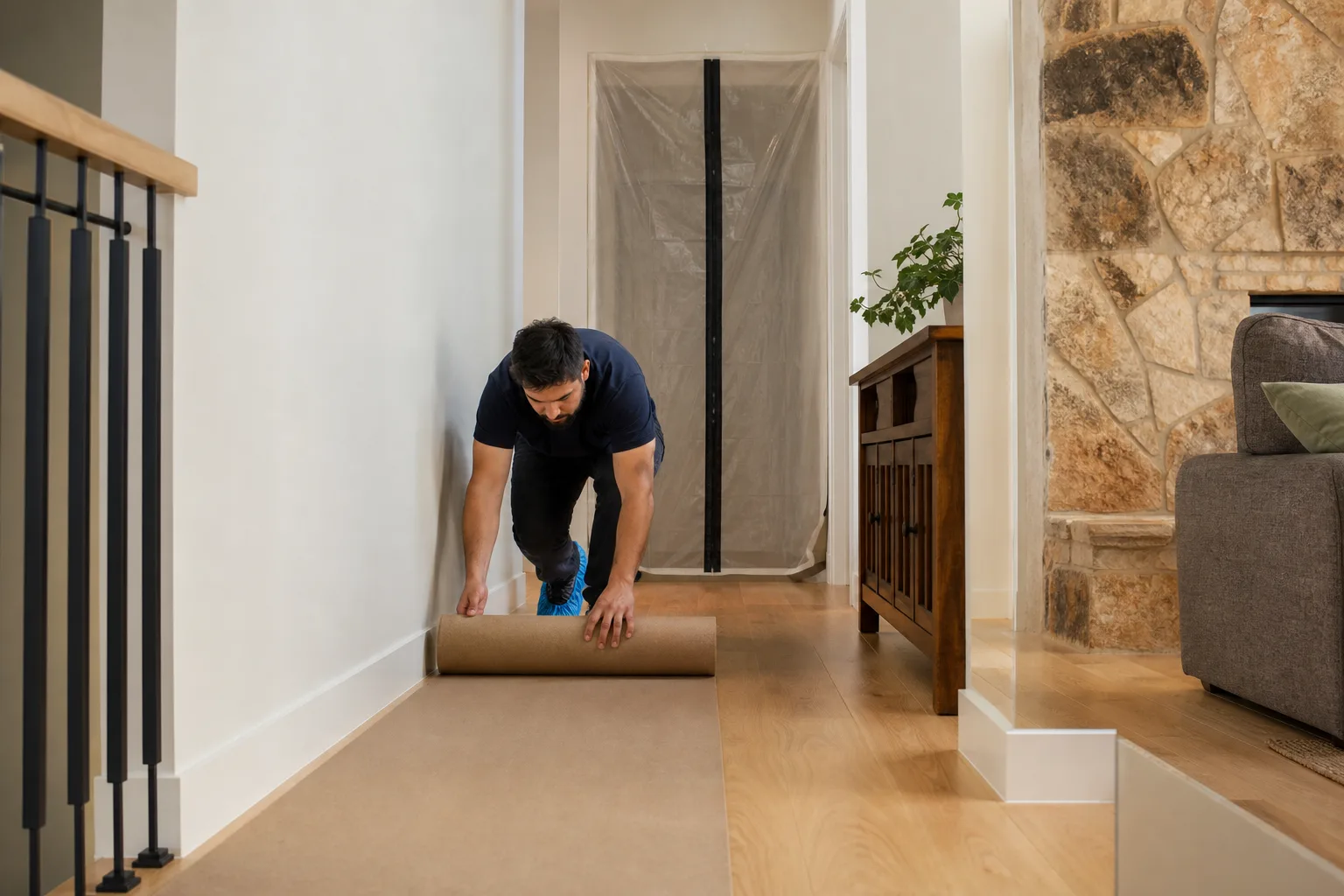
At Elmstead Remodeling Santa Clarita, the written price includes everything: drop cloths inside the house, shoe covers at the door, quiet tools during family rest hours, and a photo of the clean-up before the crew leaves. You’ll know the cost of every line item before the first bag of Quikrete is opened.
DIY or Call Us?
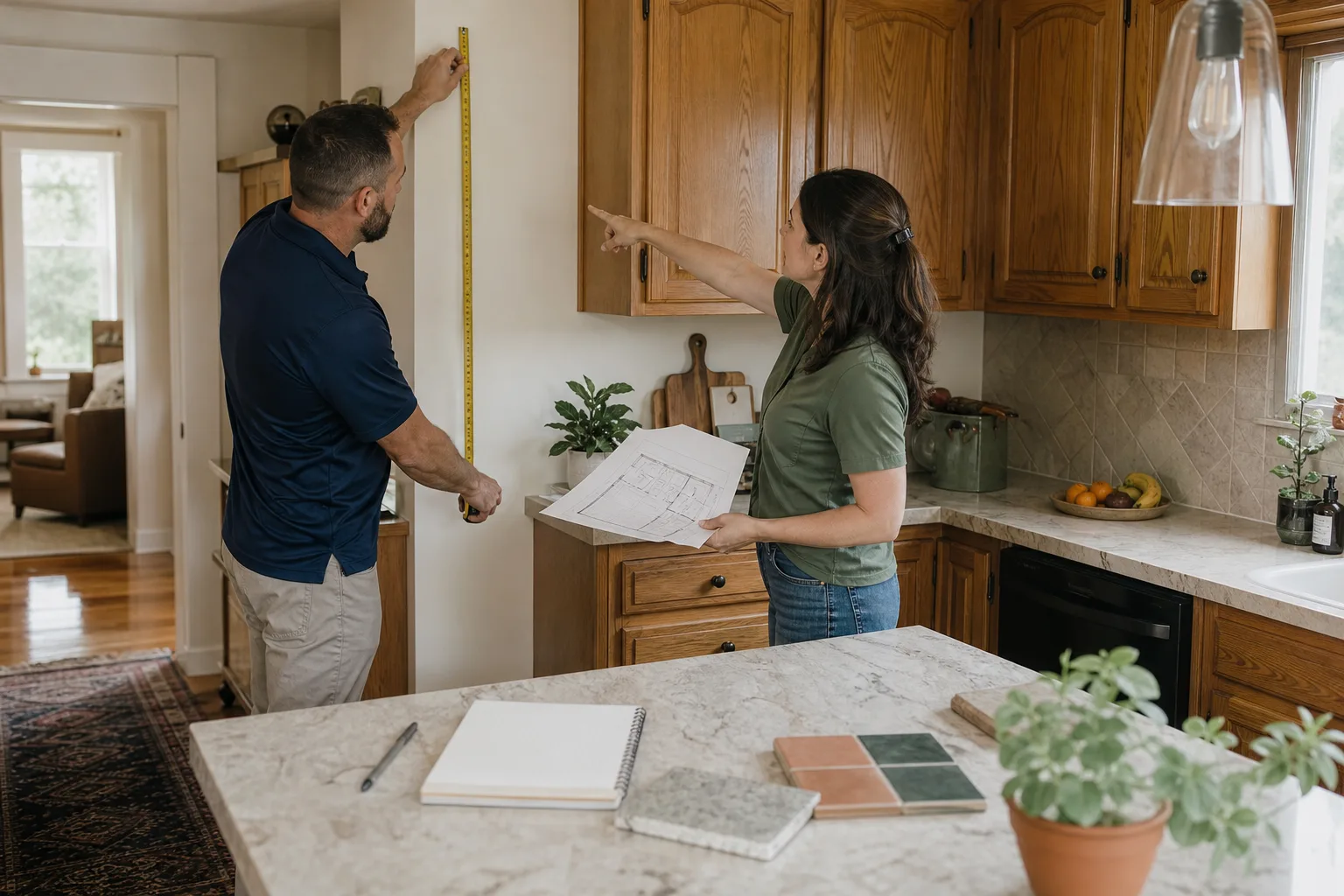
There are things you can safely do yourself: marking out where you want the addition, researching Quikrete product specs, checking your setback and zoning limits with the city of Santa Clarita, and getting the design on paper. Those are all good, smart steps before you call anyone.
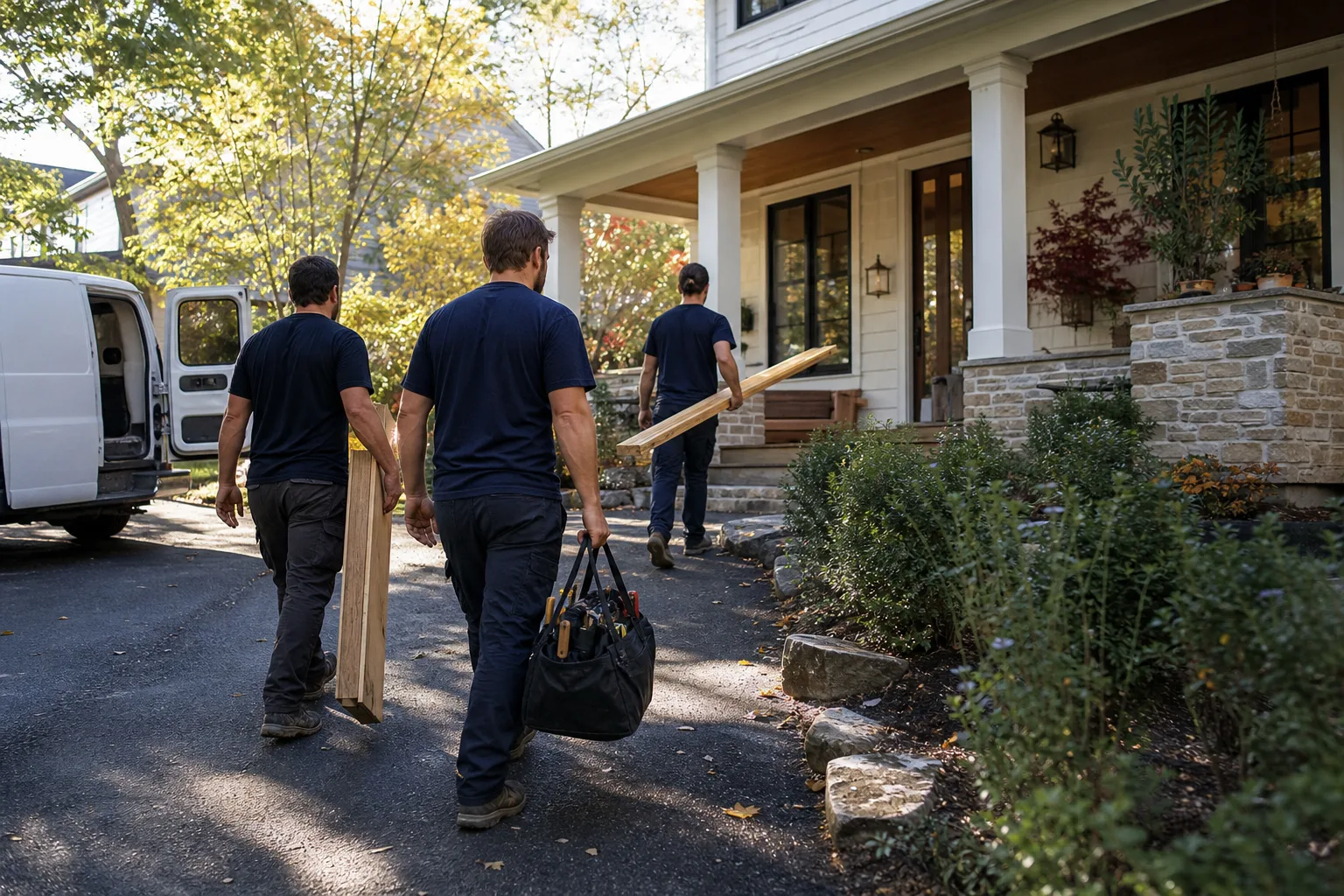
What you should not DIY is the concrete itself. Pouring a foundation slab that will hold a bedroom, kitchen, or a full ADU is not like pouring a garden path. A wrong water ratio, a missed cold joint, or a pour that sets up in the Santa Clarita heat before you can finish it means jackhammering the slab back out and starting over. That’s a five-figure mistake. If you want to talk through your plans with a contractor who walks you through the sequence before a single tool comes off the truck, call us at (661) 542-4056. Graham Stein will walk the site with you and tell you straight what the Quikrete work should cost.
Frequently Asked Questions
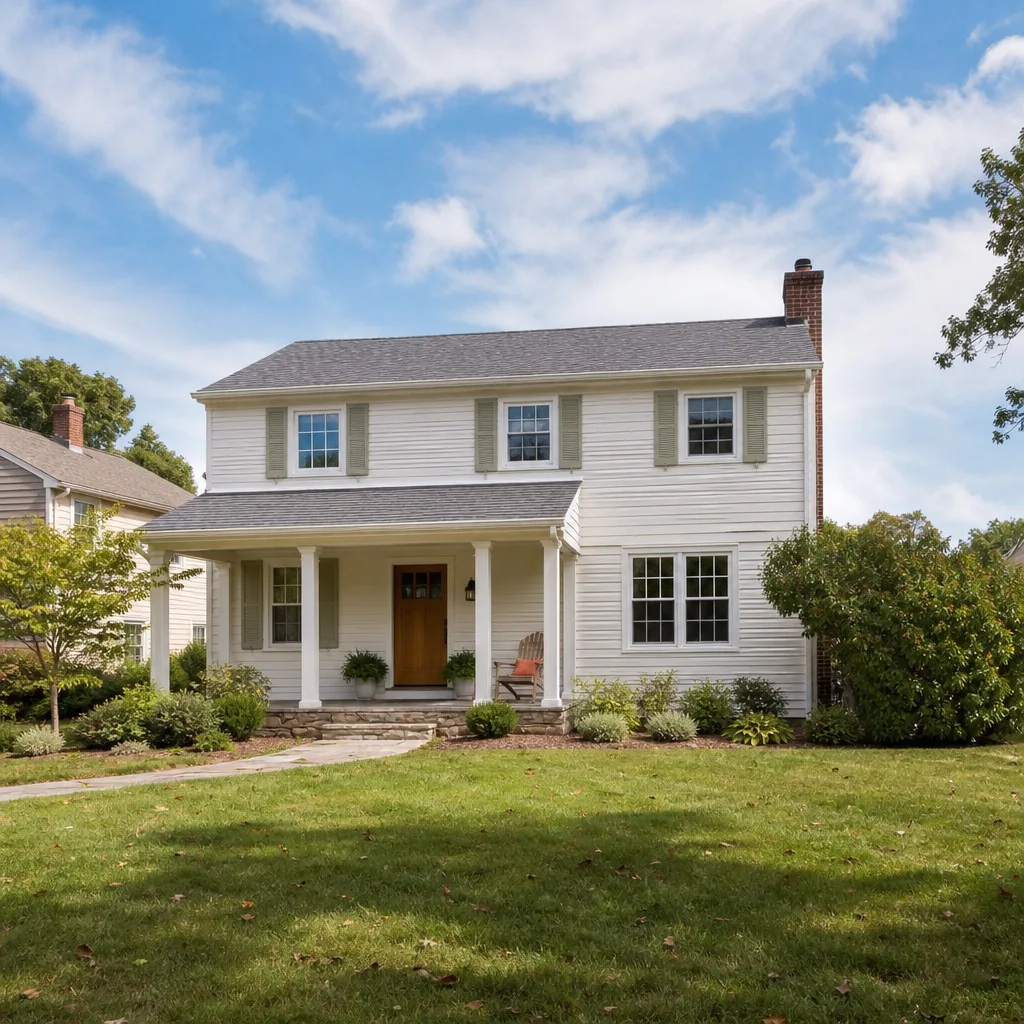
A properly mixed, poured, and cured Quikrete 5000 slab under a Santa Clarita home addition should last 50 years or more. The main threats are poor subgrade compaction and hot-weather curing mistakes, not the concrete itself. Call (661) 542-4056 and we’ll talk about what your specific site needs.
Yes, in many cases. Hairline non-structural cracks can be filled and sealed, and a cracked slab that isn’t load-bearing can often stay in place with the right repair. If the slab has displaced vertically or the crack runs through a load path, replacement is usually the honest answer. The fix depends on what we find when we look under it, and the estimate for that inspection is free.
A typical home addition runs 3 to 6 months from permit to final inspection. An ADU usually runs 6 to 10 months. The Quikrete foundation and framing stages are fast; what takes time is the sequencing of electrical, plumbing, drywall, and inspections. We’ll give you a written schedule and a written price before we start.
We order Quikrete by the pallet for each project, matched to the pour we’re doing that week. That keeps the mix fresh and the PSI rating true. We also stock the additives, curing compounds, and sealers the Santa Clarita climate calls for, so the concrete cures right and stays right. For fixtures and finishes, we work with named brands like KraftMaid, Cambria, and Silestone, so you can verify the warranties yourself. Call (661) 542-4056 for a free estimate on your addition or ADU.
Written by Graham Stein, Owner, Elmstead Remodeling Santa Clarita at Elmstead Remodeling Santa Clarita, serving Santa Clarita and nearby areas.