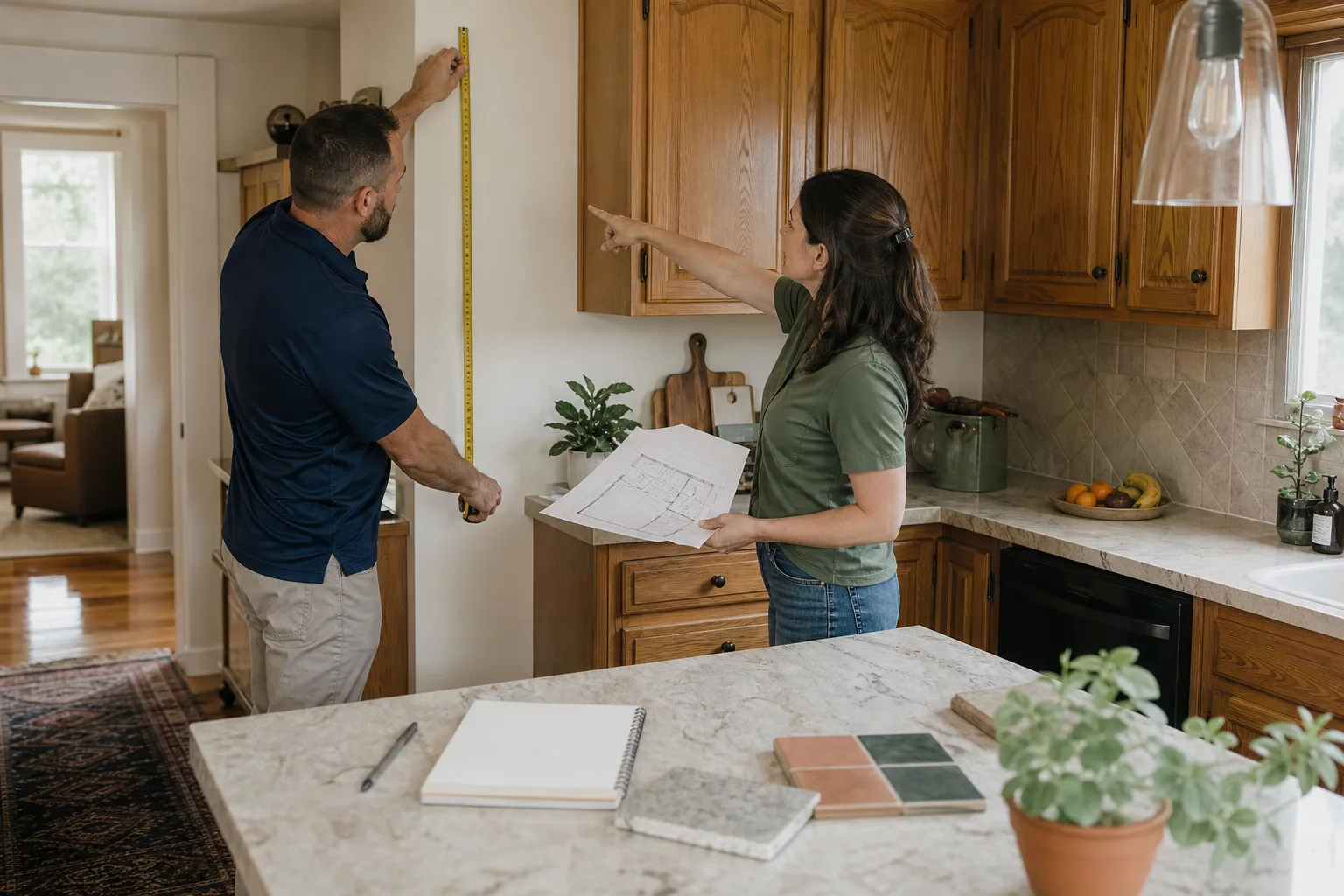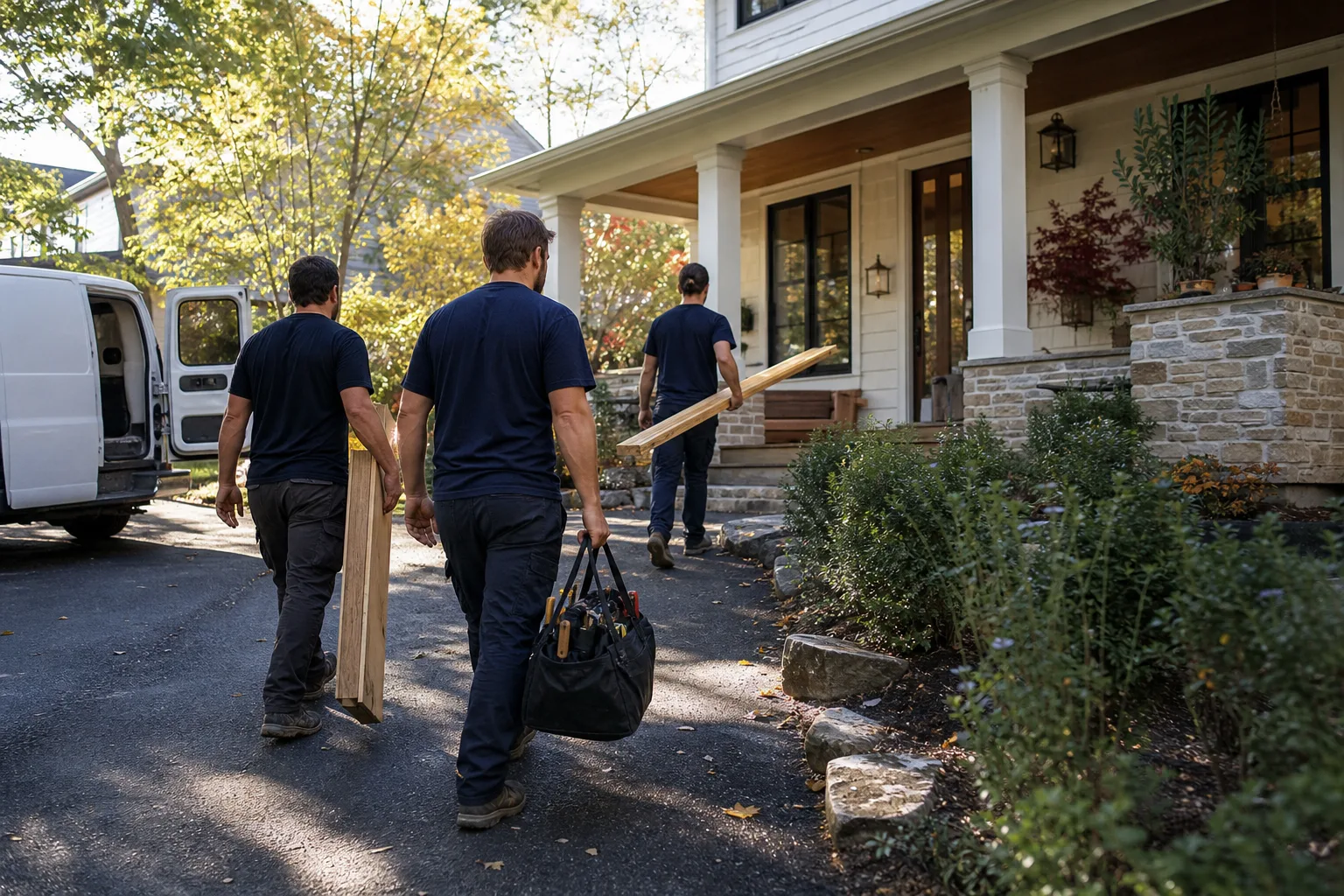
Free written scope consultation - allowances, timeline, and change-order rules on paper before a single trade is scheduled
Boral Home Additions & ADU: The Santa Clarita Owner’s Guide
We install Boral-compatible components for home additions and ADU projects throughout Santa Clarita at an installed price that typically runs between $45,000 and $130,000, depending on scope, square footage, and how the new structure ties into the existing roofline. Most Santa Clarita homeowners call us when they discover a material or structural issue mid-project: a sheathing panel that’s delaminating after a wet winter, a siding profile that doesn’t match the original Boral TruExterior trim on the main house, or a foundation connection that was never flashed correctly. The frustration isn’t usually the material itself. It’s the gap between what the original bid promised and what the wall actually looks like three months after the crew leaves.
We’re an independent remodeling contractor in Santa Clarita, not a Boral affiliate, and we’ve built our addition and ADU work around matching Boral exterior materials correctly the first time. That matters more than most people assume, because Boral’s TruExterior trim and siding are engineered with a specific expansion tolerance that behaves differently in Santa Clarita’s dry heat than it does in a coastal climate. Get the joint spacing wrong, and you’ll see it in the first year.
Key Takeaways
- Installed pricing for home additions and ADU work in Santa Clarita runs $45,000 to $130,000 from our written quote.
- We work with Boral TruExterior and related profiles, and we match existing material before any work begins.
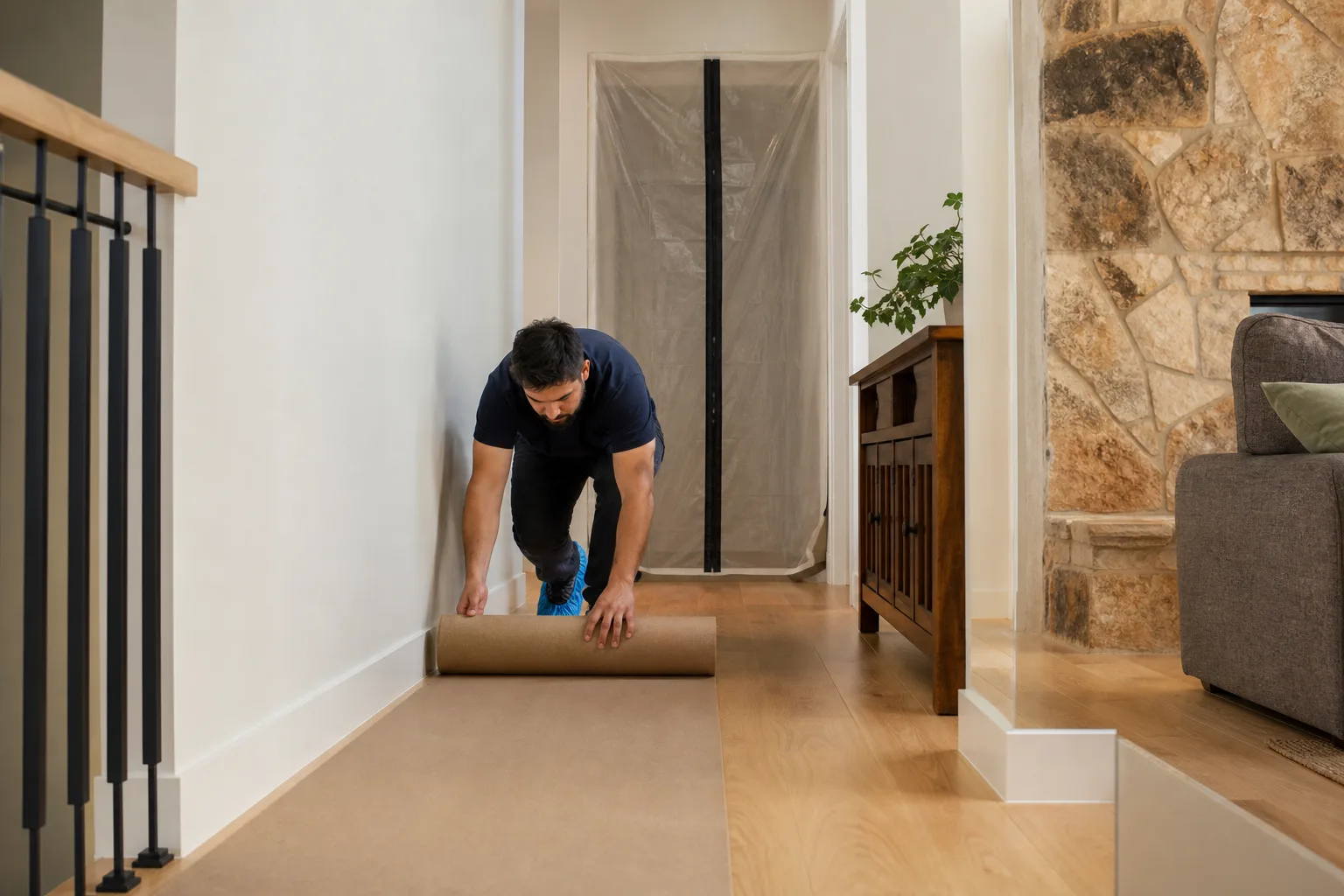
- Every project gets a written price, shoe covers and drop cloths, and the 365-Day Done Right Promise.
- Call (661) 542-4056 for a free estimate on your addition or ADU.
Which Boral Models This Applies To
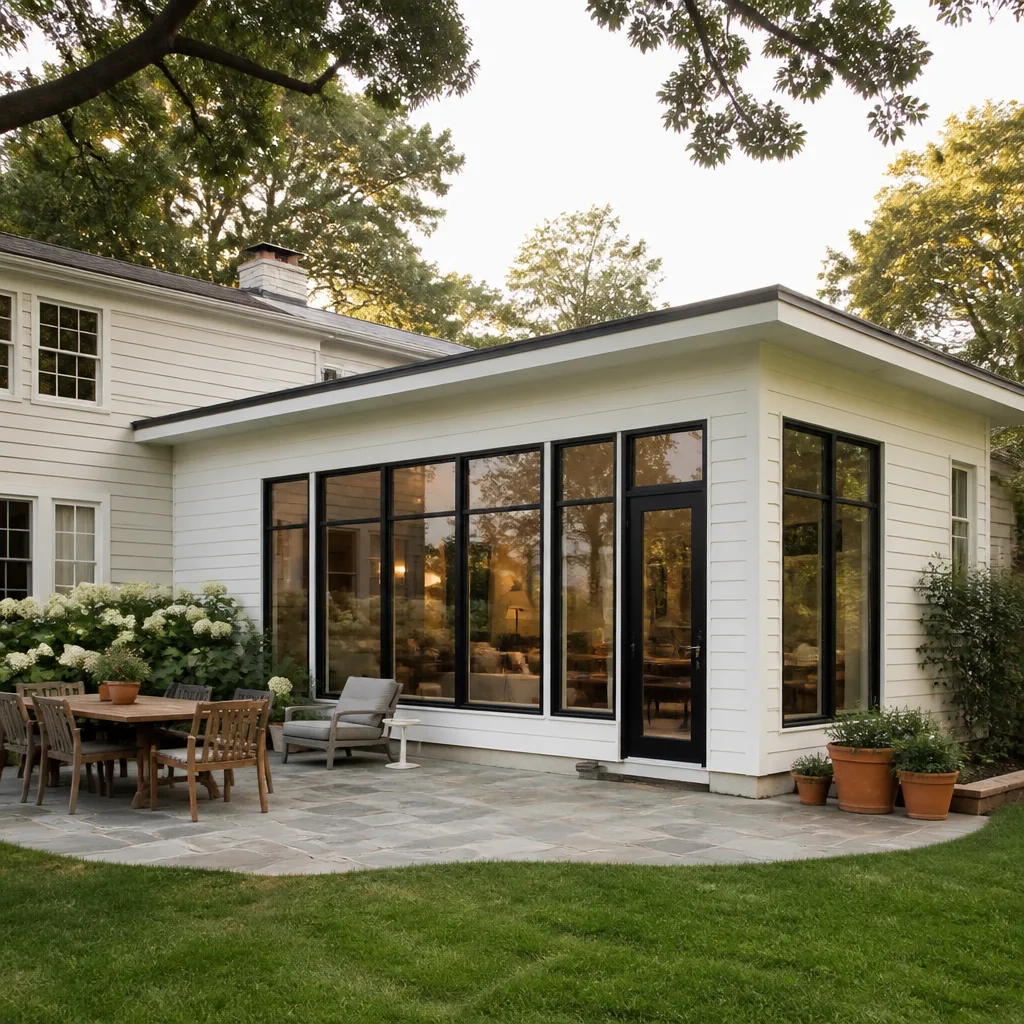
Boral’s presence in Santa Clarita additions and ADUs shows up in two distinct product families: TruExterior siding and trim, and the older Boral Bricks and concrete roofing lines that some original builds still carry. The TruExterior line is what we match most often on additions, because it was specified on a large share of Santa Clarita homes built between roughly 2010 and 2020. The product is a poly-ash blend, which means it cuts and fastens more predictably than fiber cement and doesn’t absorb moisture the way wood trim does. That’s genuinely useful in Santa Clarita, where the summer heat bakes siding and the occasional winter rain finds every unsealed edge on a window opening.
Identification is straightforward but easy to get wrong. TruExterior trim boards carry a small printed code on the back face or along the protected edge, usually a four-to-five-digit profile number plus the width in inches. Before we order anything, we pull an existing board and check that code against the manufacturer’s current SKU list, because the profile shapes changed subtly around 2018. A trim board that looks identical from the curb can be off by an eighth of an inch at the nose, and that eighth of an inch shows up as a shadow line across every window after installation. For additions specifically, we need to confirm whether the original siding is a smooth or wood-grain finish and whether the corner trim is a standard channel or a wider architectural profile. The wider profiles are still stocked, but they’re not always sitting on a shelf at the big Santa Clarita supply yards, so we order them in advance rather than promising same-week delivery we can’t keep.
When it comes to OEM versus aftermarket, our position is simple for Boral material: use genuine Boral TruExterior where you’re matching existing product. Aftermarket poly-ash boards exist, but the density, fastener hold, and expansion characteristics are not identical, and a mismatched board on a south-facing Santa Clarita wall will telegraph within two summers. For the non-cladding parts of an addition, including the framing, sheathing, flashing, and window bucks, quality aftermarket equivalents are generally fine, and we often spec them to keep the overall budget in line. The key distinction is that anything visible and exposed to Santa Clarita’s UV load should be genuine Boral, while anything that gets buried behind paint and waterproofing can be spec’d from the usual commercial-grade sources.
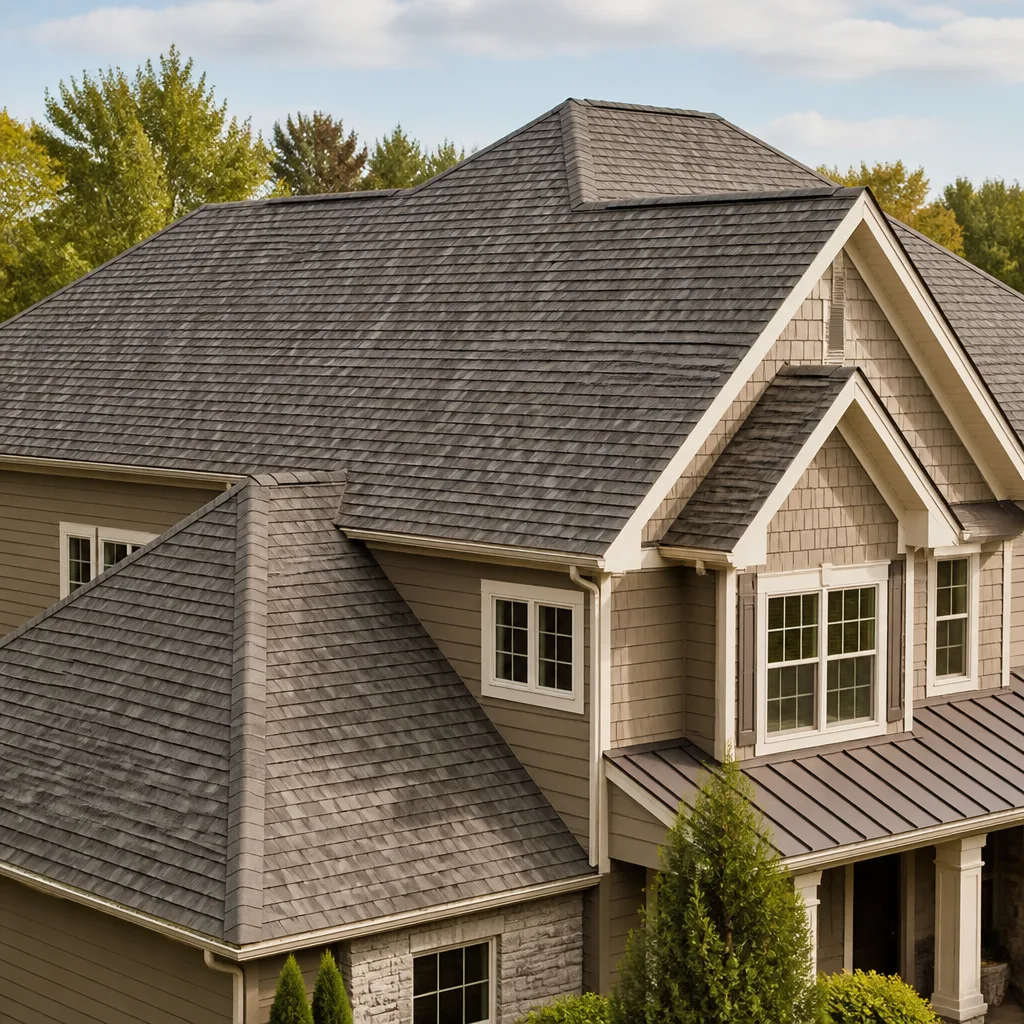
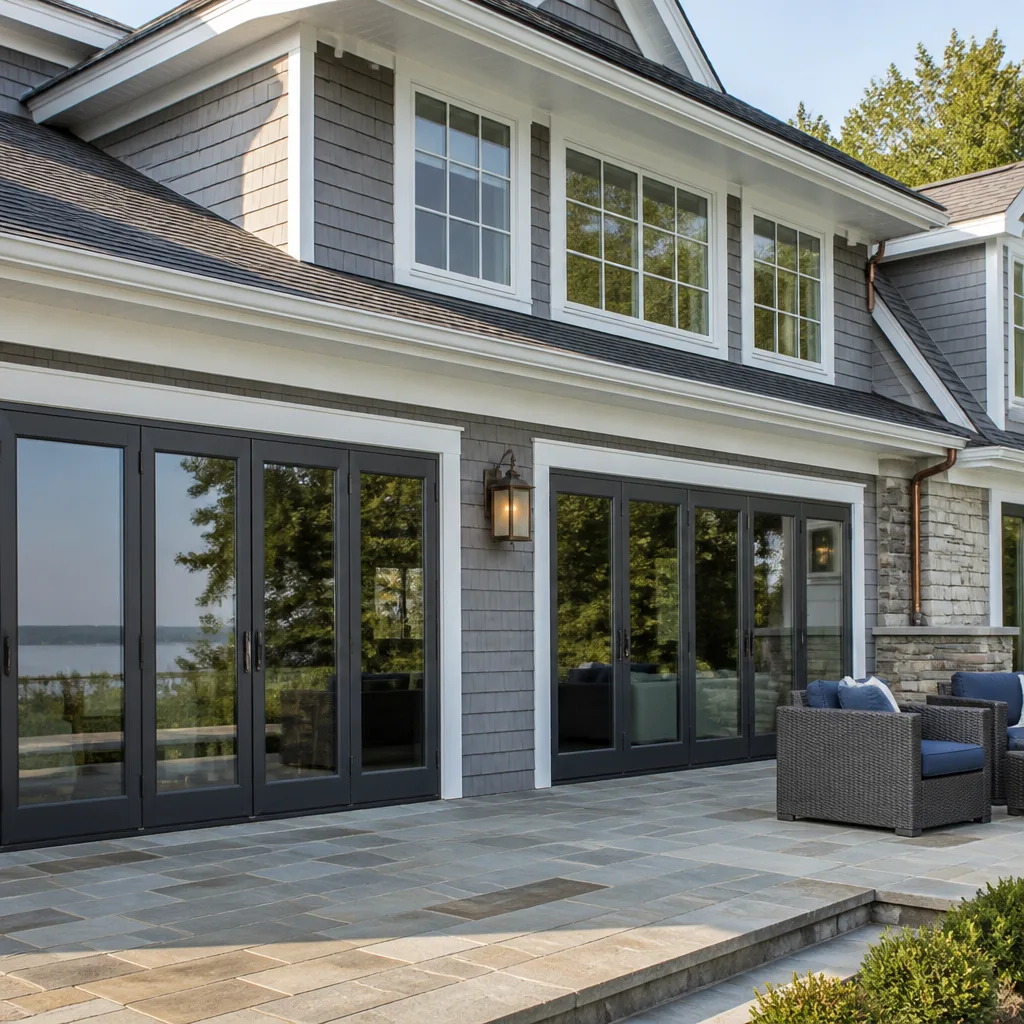
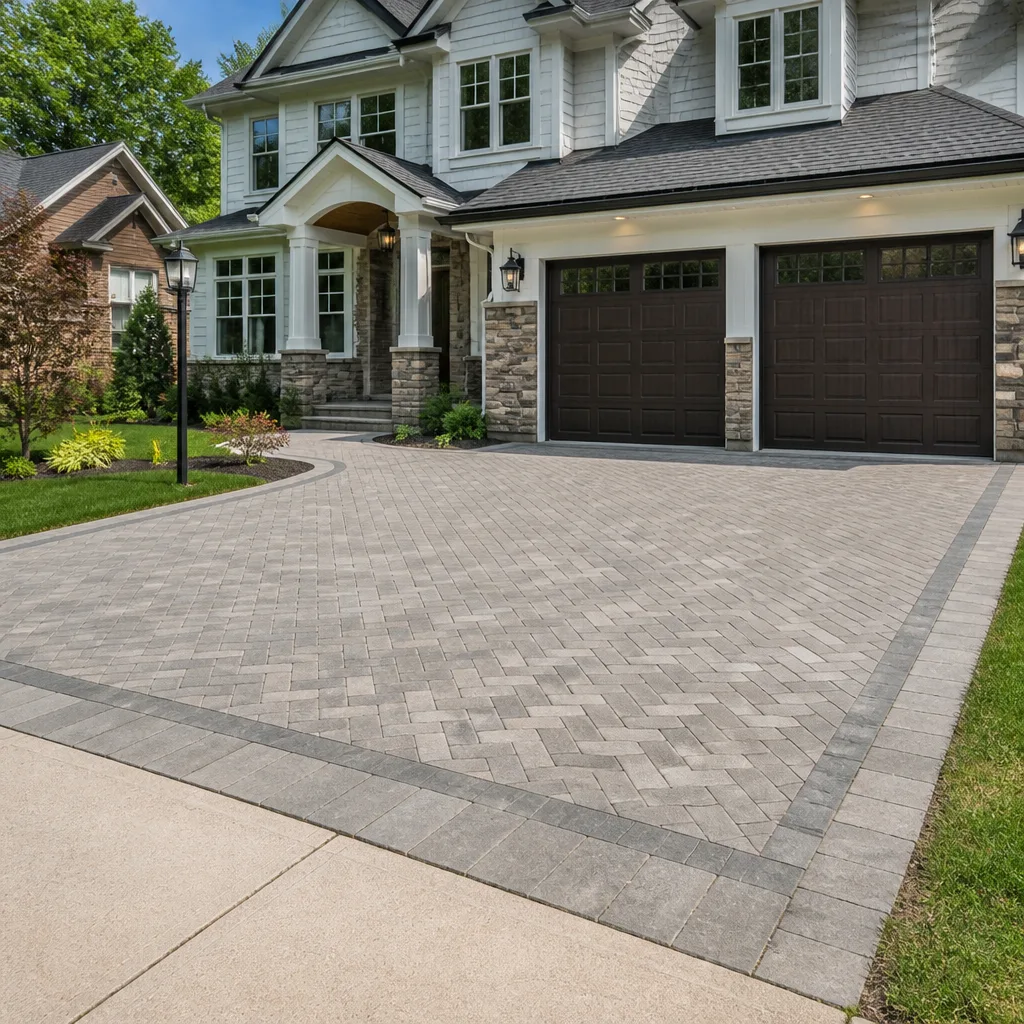
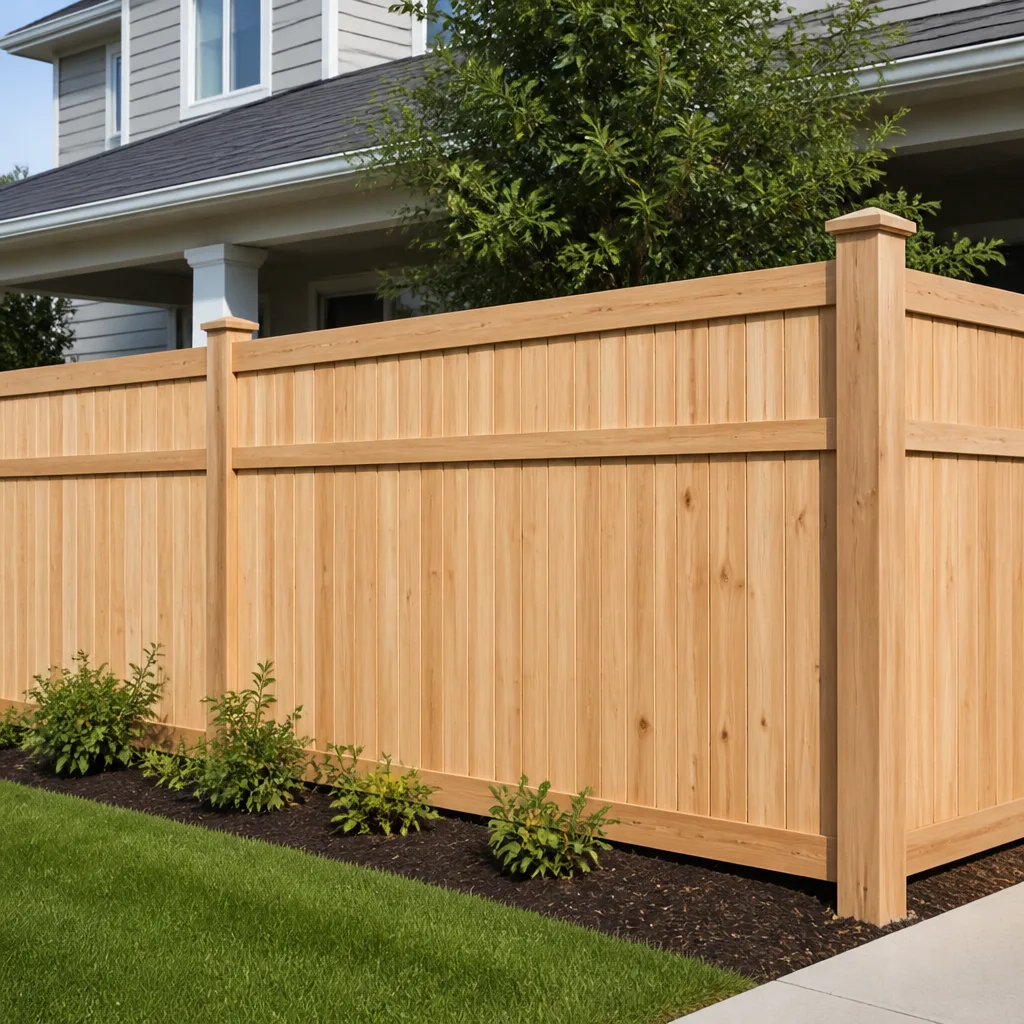
Styles & brands we work with
Signs Your Boral Home Additions & ADU Is Failing
- Gapping at trim joints that widens each summer and closes in winter. This is the single most common issue we see on Santa Clarita additions with Boral trim, and it almost always traces back to insufficient fastener spacing or joints butted too tightly. The expansion is real: TruExterior moves enough in our 90-degree afternoons that a tight joint will buckle slightly, then open up over repeated cycles. It looks like a cosmetic problem until water finds its way behind the board.
- Paint peeling at the cut ends of trim boards while the faces stay intact. Cut ends are where Boral boards absorb moisture, and in Santa Clarita the moisture cycle is subtle: morning dew, irrigation overspray, and the occasional rain band. Unsealed ends on the original build will start showing paint failure within three to five years, and if left alone the board itself will begin to soften at the exposed edge.
- Warping or twisting on a south- or west-facing wall with no shade. Boral TruExterior tolerates heat better than most competing products, but a board installed without the specified gap or without enough mechanical fasteners will still move. We see this most often on unshaded gable ends in Valencia and Saugus neighborhoods where the afternoon sun beats directly on the wall for six months of the year.
- Siding cracks at the corner of a window or door opening. This is a stress point, not a material defect in most cases. The underlying frame shifts slightly, the sheathing plane isn’t perfectly flat, and the rigid board at the corner is where the force concentrates. Once the crack appears, water entry at that corner is a matter of when, not if.
- Soft spots or bubbling paint at the base of the wall near grade or under a roof valley. This indicates the flashing detail failed or was never installed correctly, and the back of the siding or trim is taking on water. In a Santa Clarita addition, the offender is often a missing kick-out flashing at a roof-to-wall junction, which lets roof runoff pour directly behind the siding during the handful of heavy rains we actually get.
See the difference
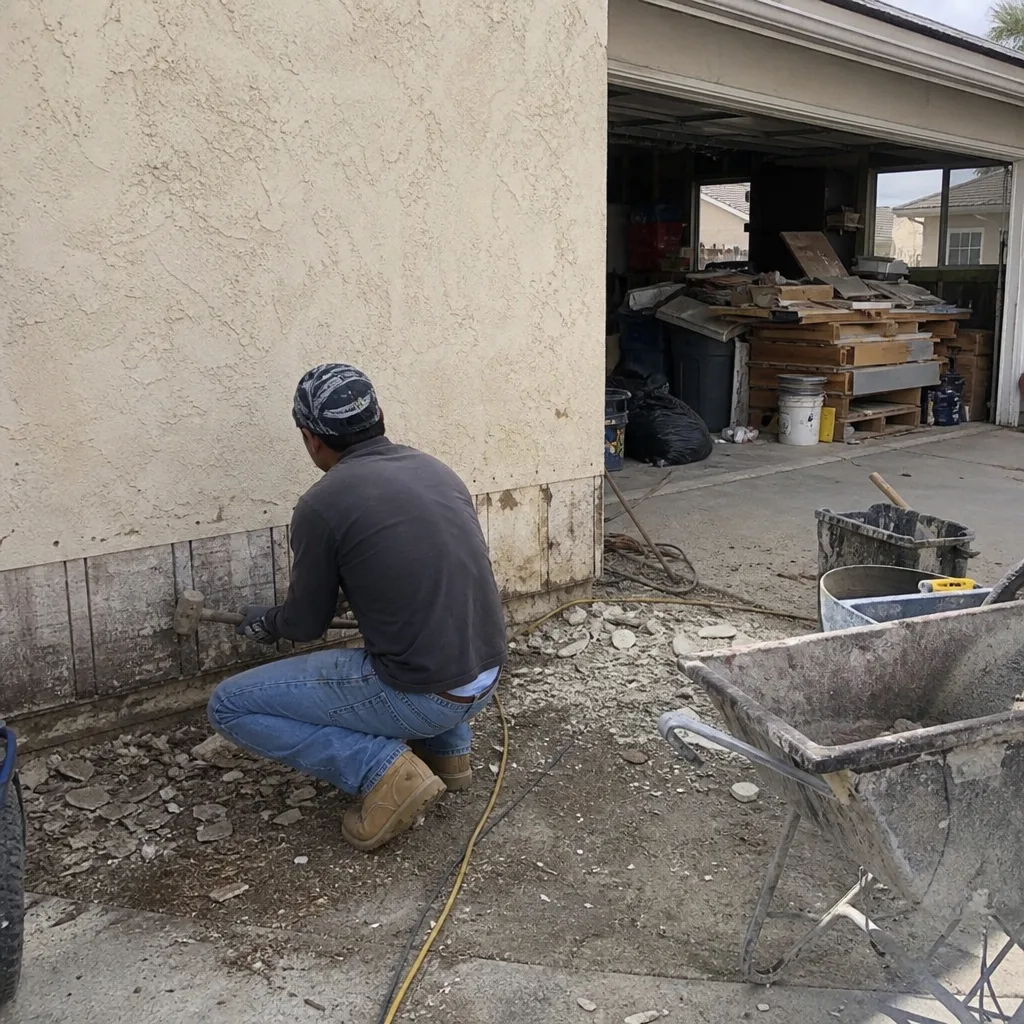 Before
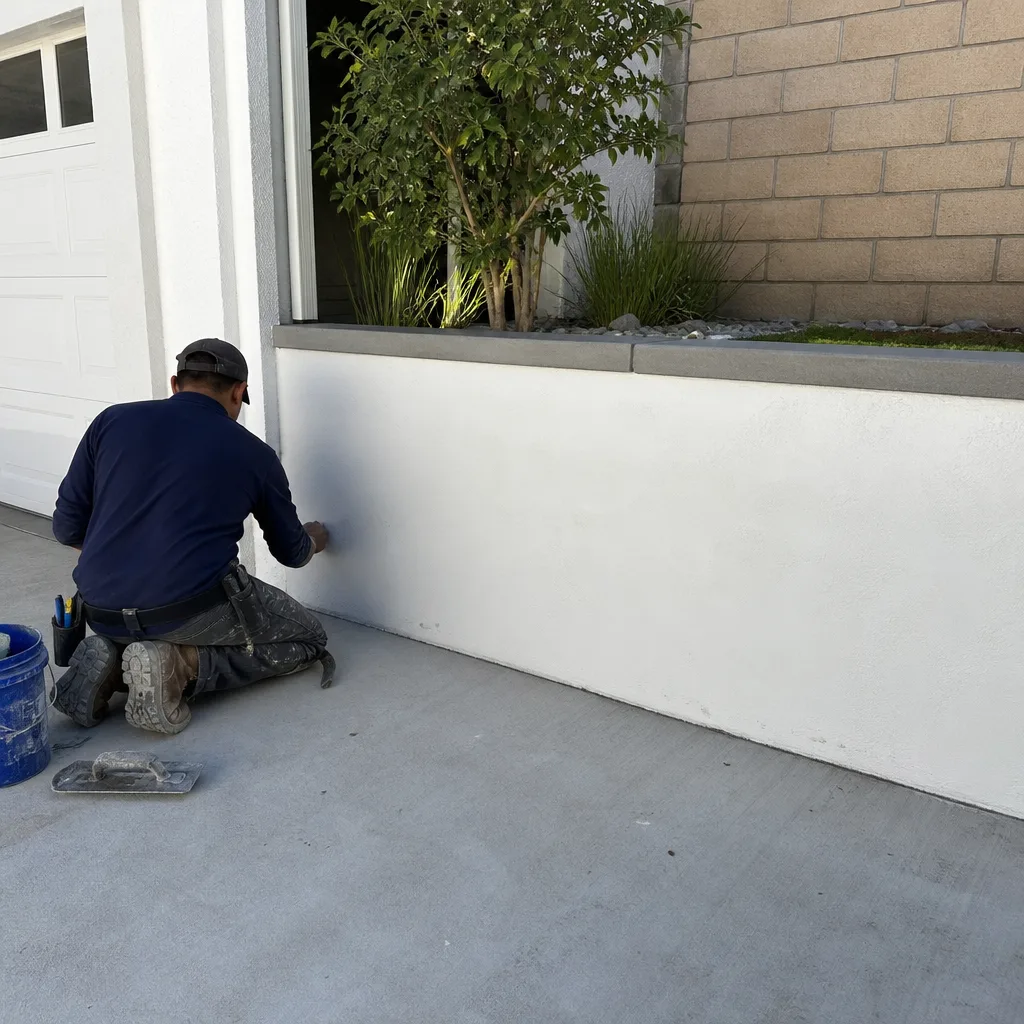 After
After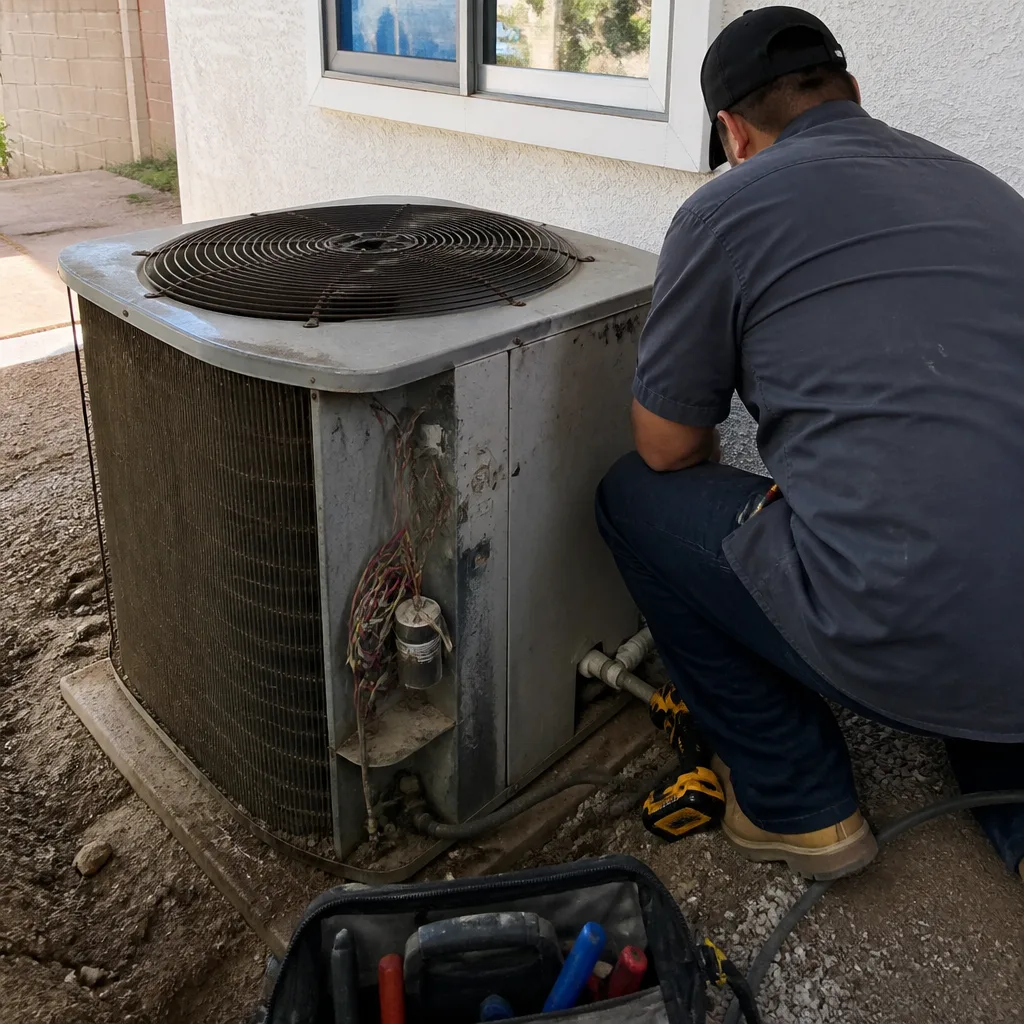 Before
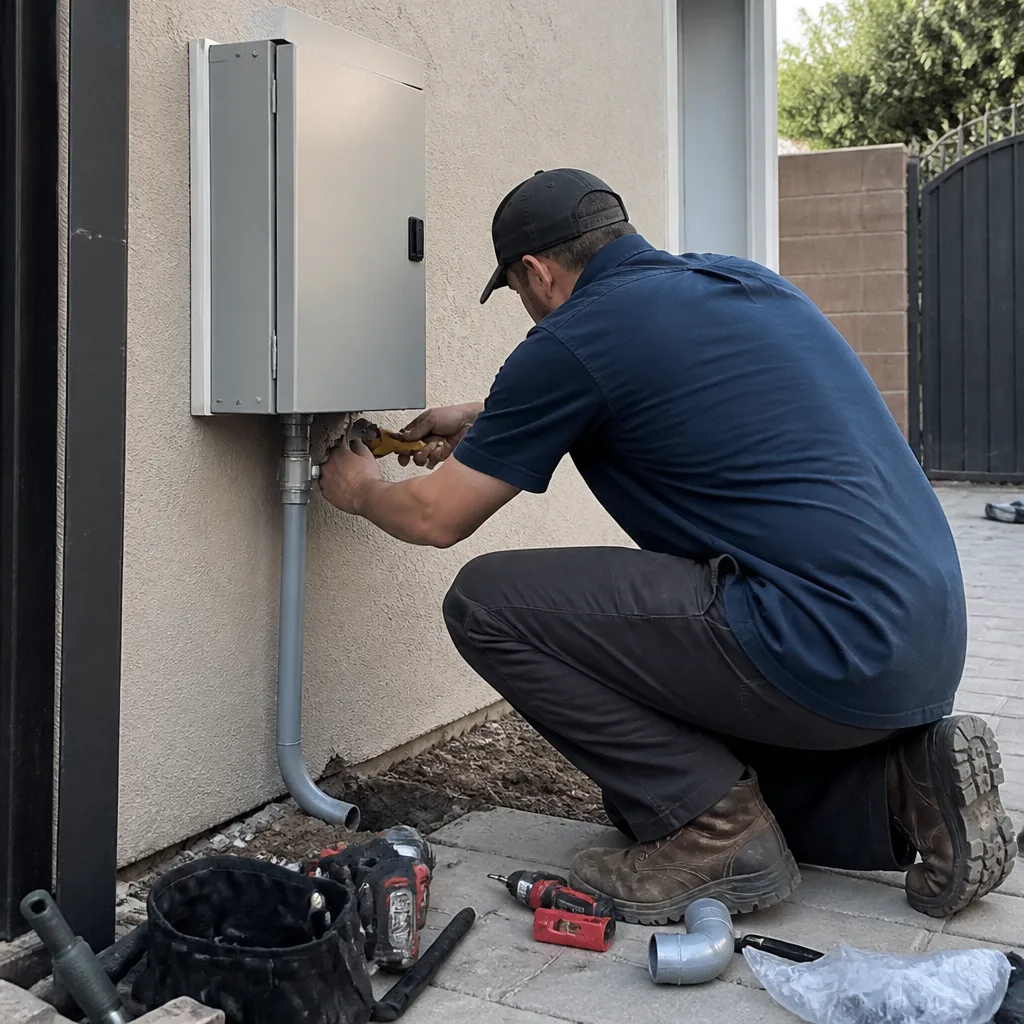 After
After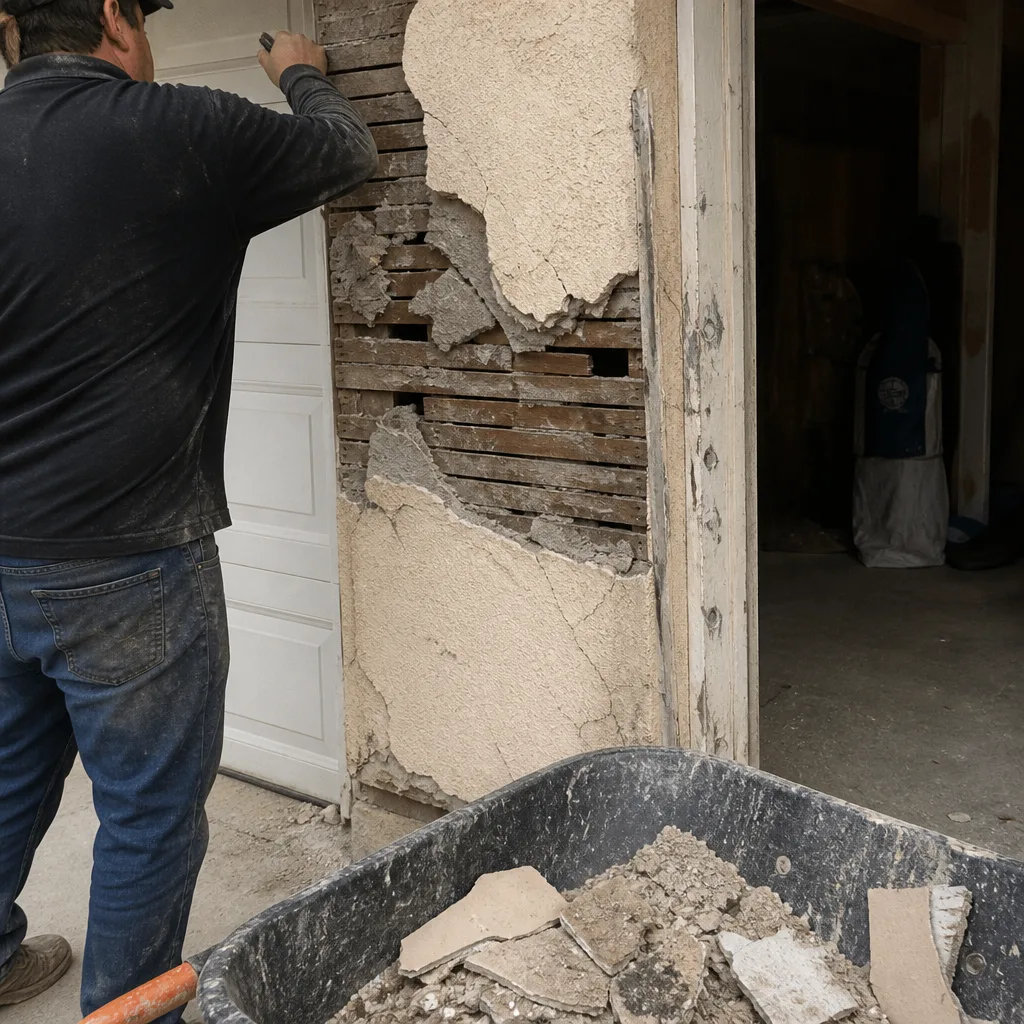 Before
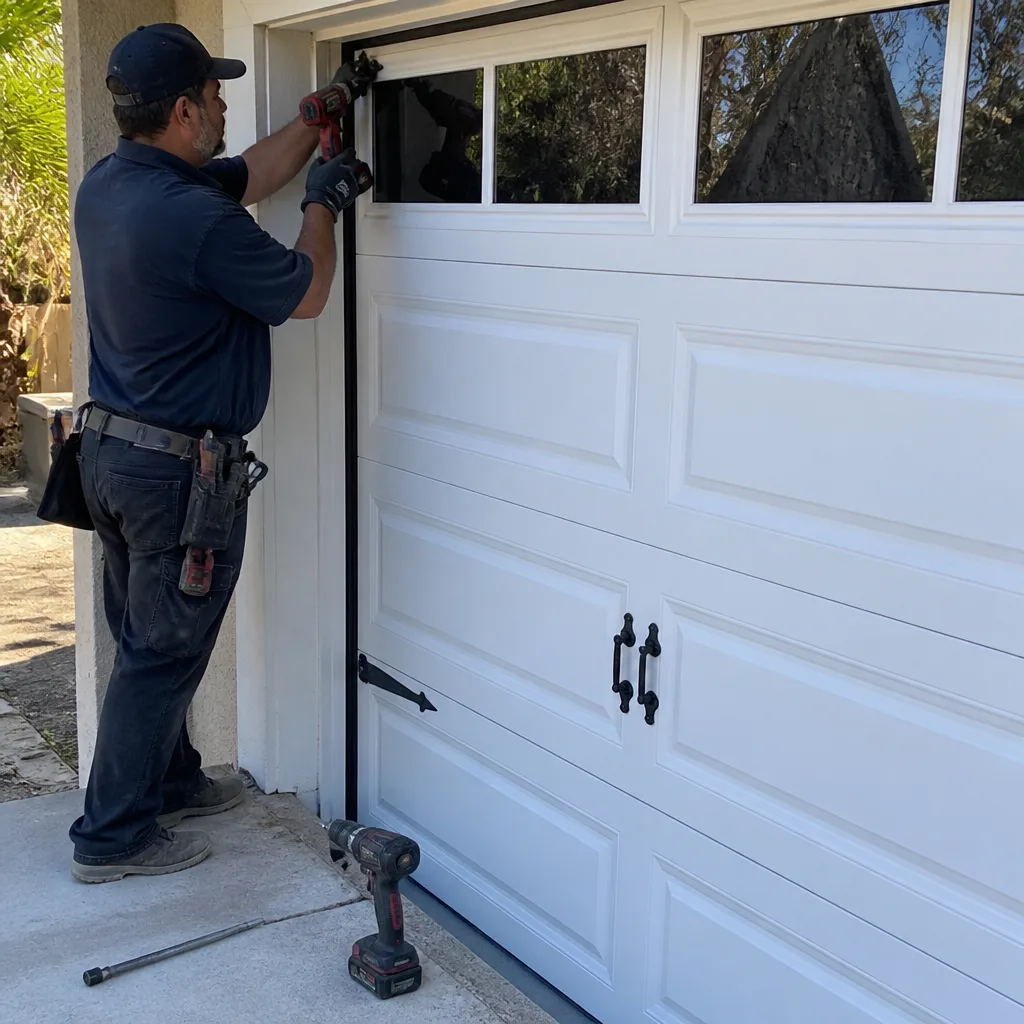 After
AfterReplacement Cost & What’s Included
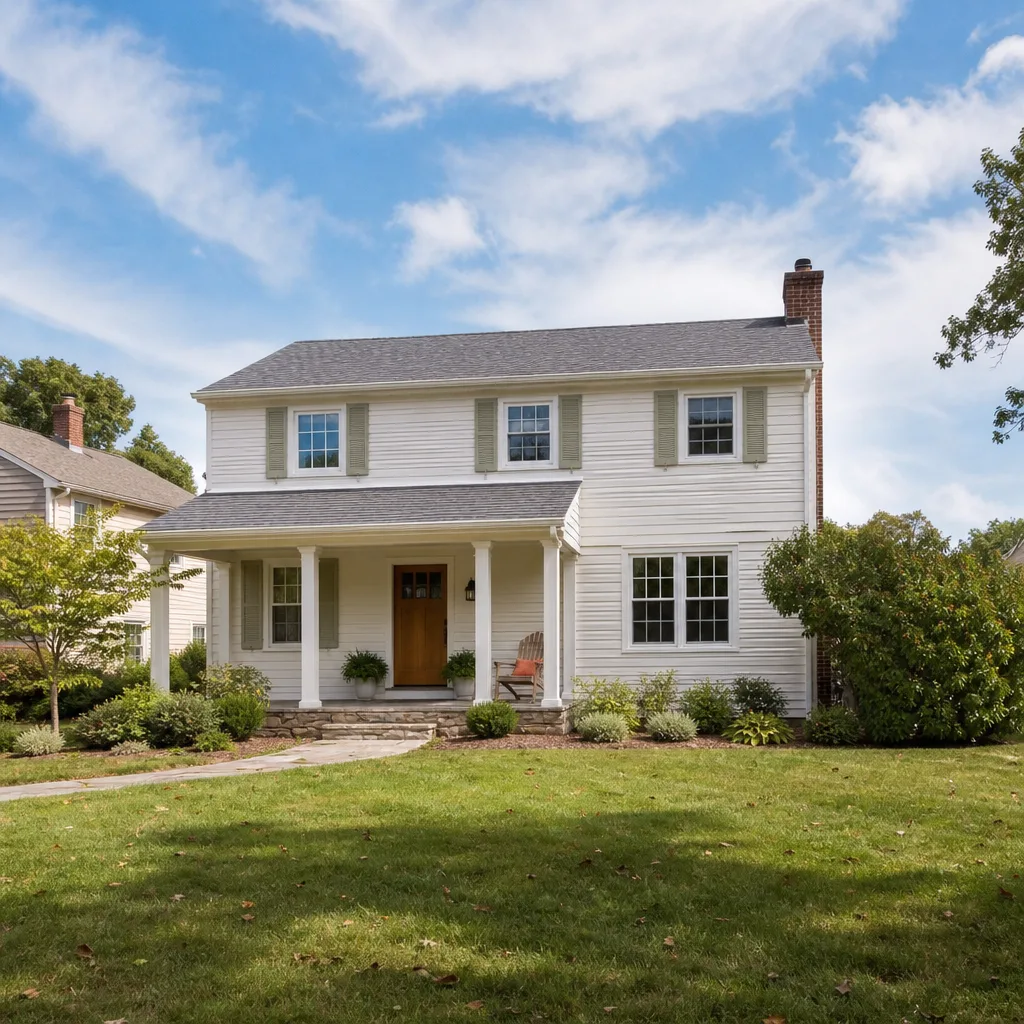
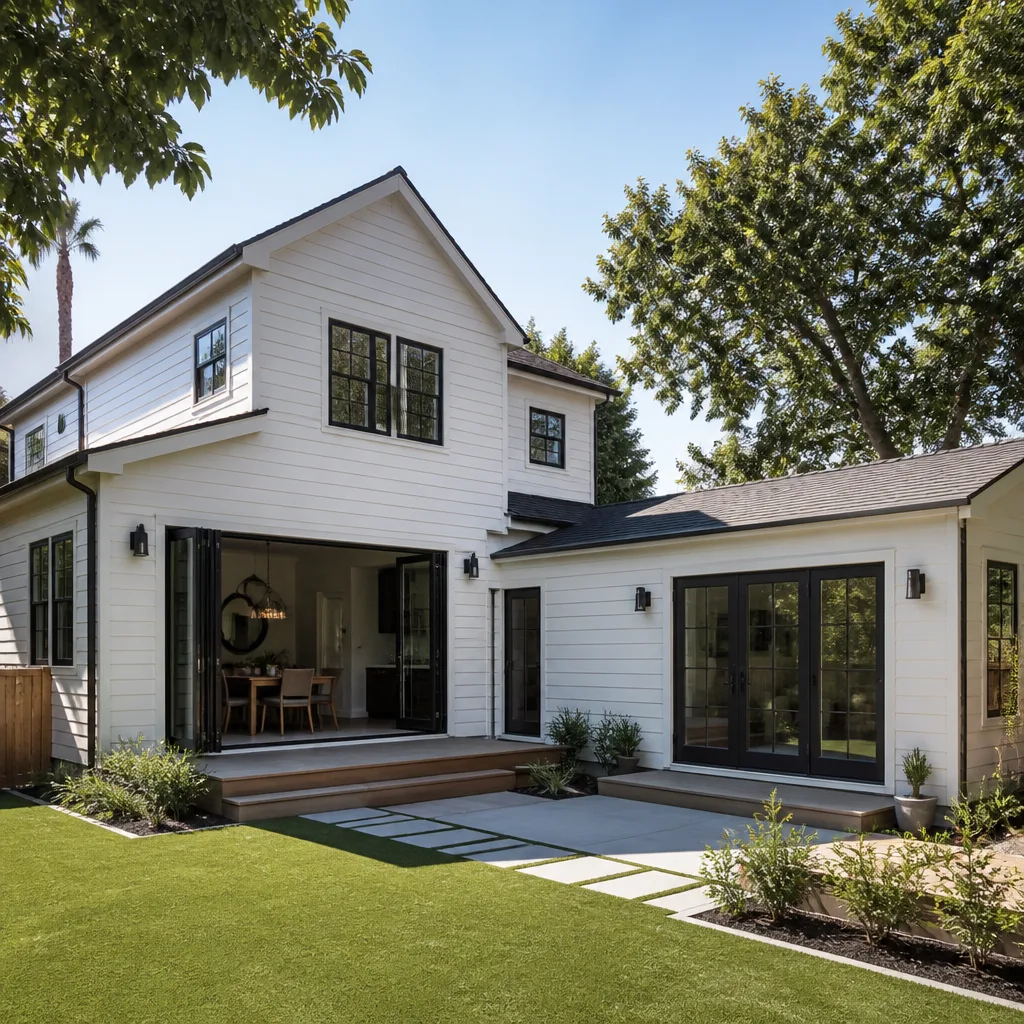
Our installed pricing for Boral-related home addition and ADU replacement work in Santa Clarita runs from $45,000 to $130,000 for the full scope of a new addition or ADU, including demolition, framing, structural work, exterior matching with genuine Boral material where needed, waterproofing, and finish work. For partial remediation work, such as replacing failed trim runs, re-flashing a problem junction, or rebuilding a single wall assembly, the cost typically lands in the $3,000 to $25,000 range depending on how much of the assembly has to come apart and what we find once we open it up. A full ADU build, including all trades, sits in a different category entirely: $90,000 to $220,000, driven by foundation, utility connections, and the current Santa Clarita permitting and impact fee schedule.
The spread exists because no two additions fail the same way. A trim replacement along a single wall is a two-day job with material costs in the hundreds. Rebuilding a failed wall assembly where the sheathing has rotted and the framing needs sistering is a three-week project involving engineering, inspection, and a real materials package. Every quote we write for Santa Clarita homeowners includes a line-item breakdown of parts and labor, so you can see exactly what’s Boral material and what’s aftermarket, what’s structural, and what’s finish work. You get the written price before the first board goes down, and the 365-Day Done Right Promise covers the completed work. The price on the paper is the price on the invoice.
DIY or Call Us?
There are a few things a Santa Clarita homeowner can safely do themselves before picking up the phone: check the fasteners, check the joints, check the cut ends. You can look at the visible gap between Boral trim boards and see whether it’s opening more than about 1/8 inch, which tells us whether the issue is expansion-related or a deeper structural problem. You can check whether the paint is failing at cut ends but intact on faces, which points to an unsealed-end issue that a repaint alone will fix short-term. You can photograph the problem areas, which genuinely helps our first visit go faster.
What we don’t recommend is taking apart any part of an exterior wall yourself. Once you remove siding or trim on a home addition, you’re exposing the sheathing, the WRB, and the flashing details to weather, and a missed detail turns a $4,000 repair into a $40,000 wall rebuild. Same goes for any trim or siding work above one story, which combines ladders, power tools, and material removal in ways that have hurt careful people. If you’re in Santa Clarita and you suspect a Boral material failure on your addition or ADU, call (661) 542-4056 and we’ll take a look. The estimate costs you nothing, and we’ll tell you honestly whether it’s a repair job or a full-matching job before you spend a dollar.
FAQs
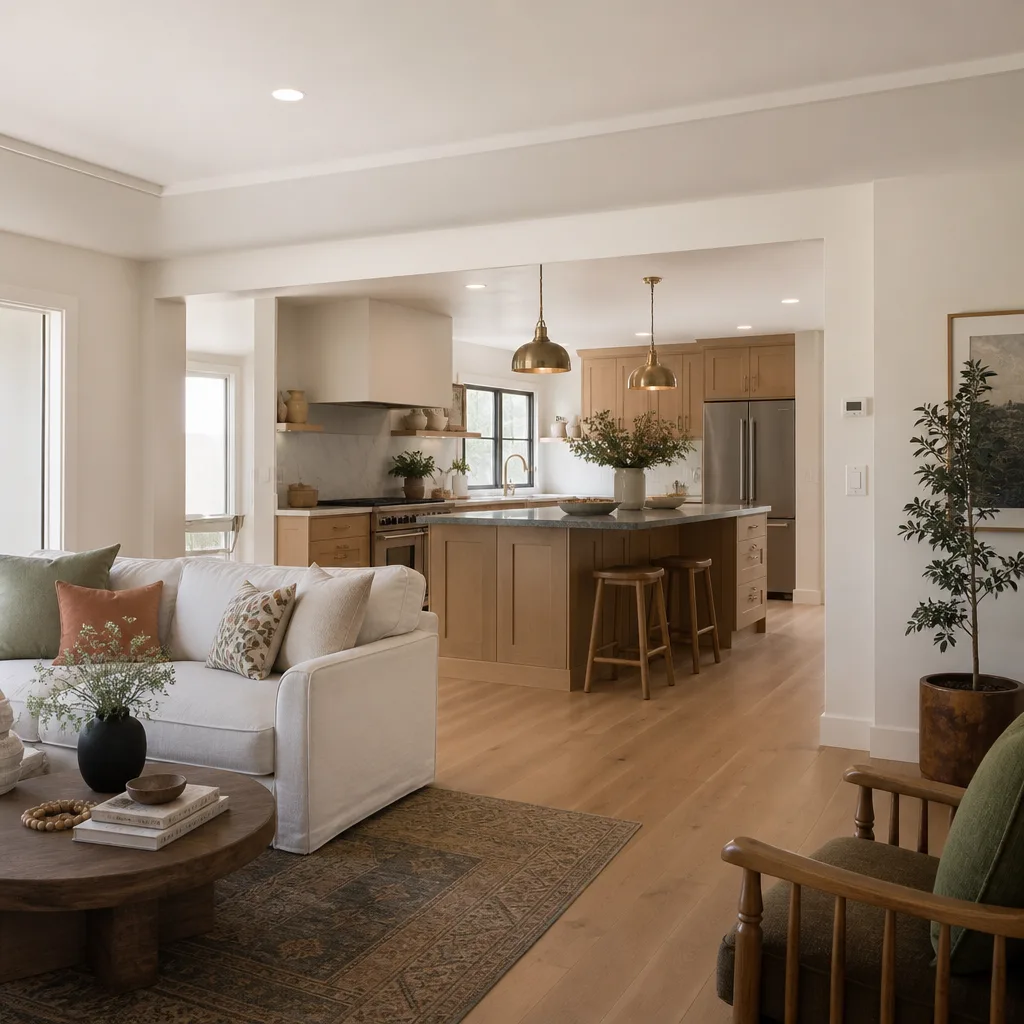
Boral TruExterior is rated for a long service life, and the manufacturer’s own testing supports decades of performance, but the practical lifespan of the installation in Santa Clarita depends on how well the cut ends were sealed and whether the fasteners and joints were spec’d correctly. We see original installs from the early 2010s that still look new, and we see five-year-old installs with failing joints because nobody gapped them. The material itself is not usually the weak point. The installation is. Call (661) 542-4056 and we’ll tell you what you’re actually dealing with.
Yes, in most cases. Individual trim boards can be removed and replaced without disturbing the rest of the wall, and cut-end damage can often be addressed with proper sealing and repainting rather than a full swap. The repair-versus-replace decision comes down to what’s underneath: if water intrusion has reached the sheathing, the repair scope grows quickly. We always open up a small test section before promising a trim-only fix.
A single-wall trim replacement with matching Boral material is typically a two-day job, including removal, substrate inspection, new flashing where needed, installation, and final sealing. A full re-side of an addition runs one to two weeks depending on access and how much hidden repair we find. We schedule quiet-tool work during family rest hours where possible, and the drop cloths and shoe covers come out before anything else.
We keep the common TruExterior trim profiles and fasteners on hand for standard Santa Clarita additions, and we order specialty widths and profiles in advance since the local supply yards don’t keep every SKU on the shelf. What that means for you: we won’t show up and ask you to wait a month. We confirm the existing profile code on our first visit, order the exact match, and schedule the work once it’s in hand. Call (661) 542-4056 for a free estimate, and we’ll give you a written timeline along with the written price.
Written by Graham Stein, Owner, Elmstead Remodeling Santa Clarita at Elmstead Remodeling Santa Clarita, serving Santa Clarita and nearby areas.