Free written scope consultation - allowances, timeline, and change-order rules on paper before a single trade is scheduled
CGI Roofing: The Santa Clarita Owner’s Guide
We install and repair CGI roofing systems across Santa Clarita, with most failing parts matched and replaced within one visit. CGI roof repairs in this area typically run $400 to $1,800, depending on whether we’re replacing a single damaged panel or re-flashing a larger section. The most common way owners discover a problem is water staining on a ceiling after a Santa Clarita windstorm, or hearing a loose panel rattle during the dry autumn gust season.
CGI, a Florida-based manufacturer known for impact-rated metal roofing, uses a concealed fastener system that performs well in high-wind zones. Santa Clarita’s combination of intense summer sun, occasional heavy wind through the canyons, and dry heat cycles means the finish and the underlayment wear differently than they would in coastal markets. What fails first here isn’t usually the panel itself, it’s the sealant at the flashings and the screws backing out where the thermal expansion was underestimated. We keep the common CGI profile components on hand and can source model-specific trim pieces quickly when a color match matters.
Which CGI Models This Applies To
CGI produces several roofing lines, including the Eclipse standing seam series, the Advantage-Lok exposed fastener system, and the Stone-Coated Steel line that mimics shake or tile. The compatibility gotcha to know: Eclipse panels from different production years may not interlock cleanly, because CGI adjusted the rib geometry slightly on certain gauge thicknesses. If you have an older Eclipse install, we verify the panel profile by measuring the rib height and seam spacing before ordering anything.
Every CGI panel has a printed code on the underside near the eave edge, usually a series of letters and digits that identifies the profile, gauge, and coating. That code is the fastest way to confirm a match. For the stone-coated line, the top-side granule pattern can vary by production batch, so we always match from the underside stamp, not the visible texture.
On the OEM-versus-aftermarket question for CGI specifically: OEM trim and flashing pieces tend to fit precisely and carry the manufacturer’s finish warranty, but they often take two to three weeks to arrive. Quality aftermarket equivalents in the same 24- or 26-gauge steel with the same Kynar 500 coating chemistry are usually available faster and cost about 20 to 30 percent less. For Santa Clarita homeowners, the finish matters more than the brand stamp, because our UV exposure is relentless. We’ll never install a cheaper polyester-coated piece as a replacement for a Kynar-finish roof; it’ll chalk and fade within a few seasons and stand out against the surrounding panels.
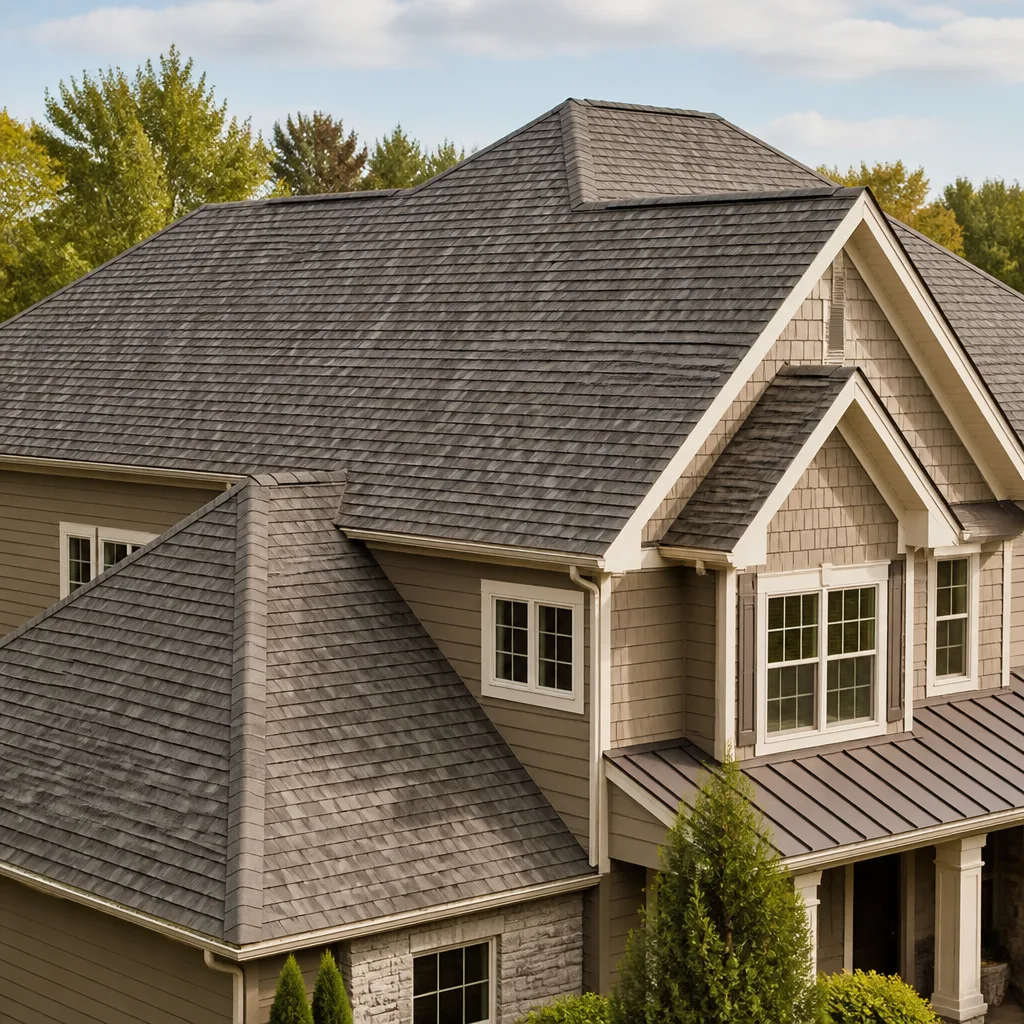
Styles & brands we work with
Signs Your CGI Roofing Is Failing
These are the symptoms we see most often on CGI roofs in Santa Clarita, and what’s actually happening under the surface:
- Water staining on ceilings after wind-driven rain. This usually means the flashing at a valley or roof penetration has separated from the panel. The sealant CGI specifies holds up well, but canyon winds can work it loose over five to seven years.
- A rhythmic rattle or tapping sound during wind. On an exposed fastener system, this is typically a screw backing out from thermal movement. On a standing seam system, it’s usually a clip that has lost tension against the deck.
- Chalky residue running down the panel face or onto the gutter. This is the coating oxidizing, which happens faster here than on the coast because of our dry heat. It starts as a light chalk on a finger swipe, then progresses to visible fading where the southern exposure takes the brunt.
- Granule loss on stone-coated panels near valleys or eaves. Stone-coated CGI looks beautiful but the granule layer can erode where water channels concentrate. Once the steel shows through, the rust clock starts.
- Slight oil-canning that wasn’t there before. That wavy look in the panel face can signal that the deck beneath has shifted or that the panel has stretched from heat cycles. It’s not always a functional failure, but it’s worth having us look.
See the difference
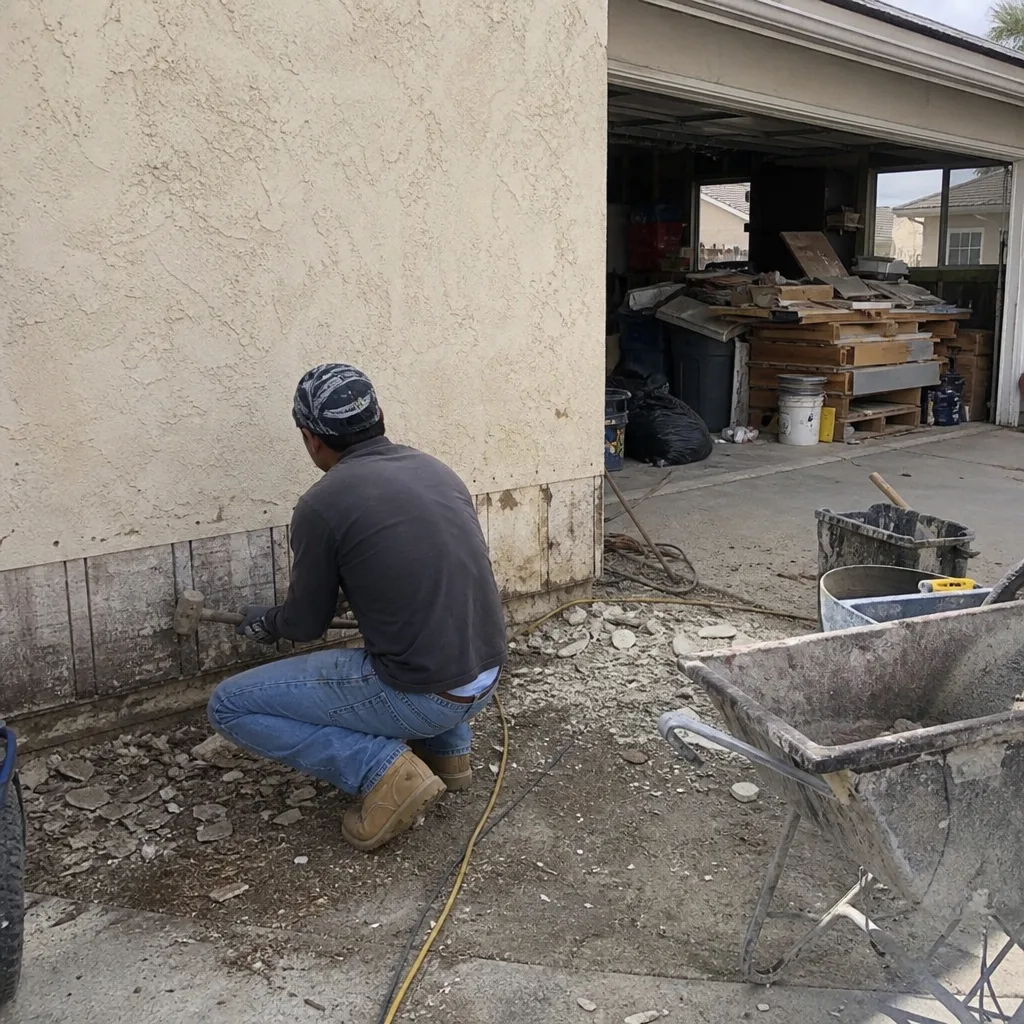 Before
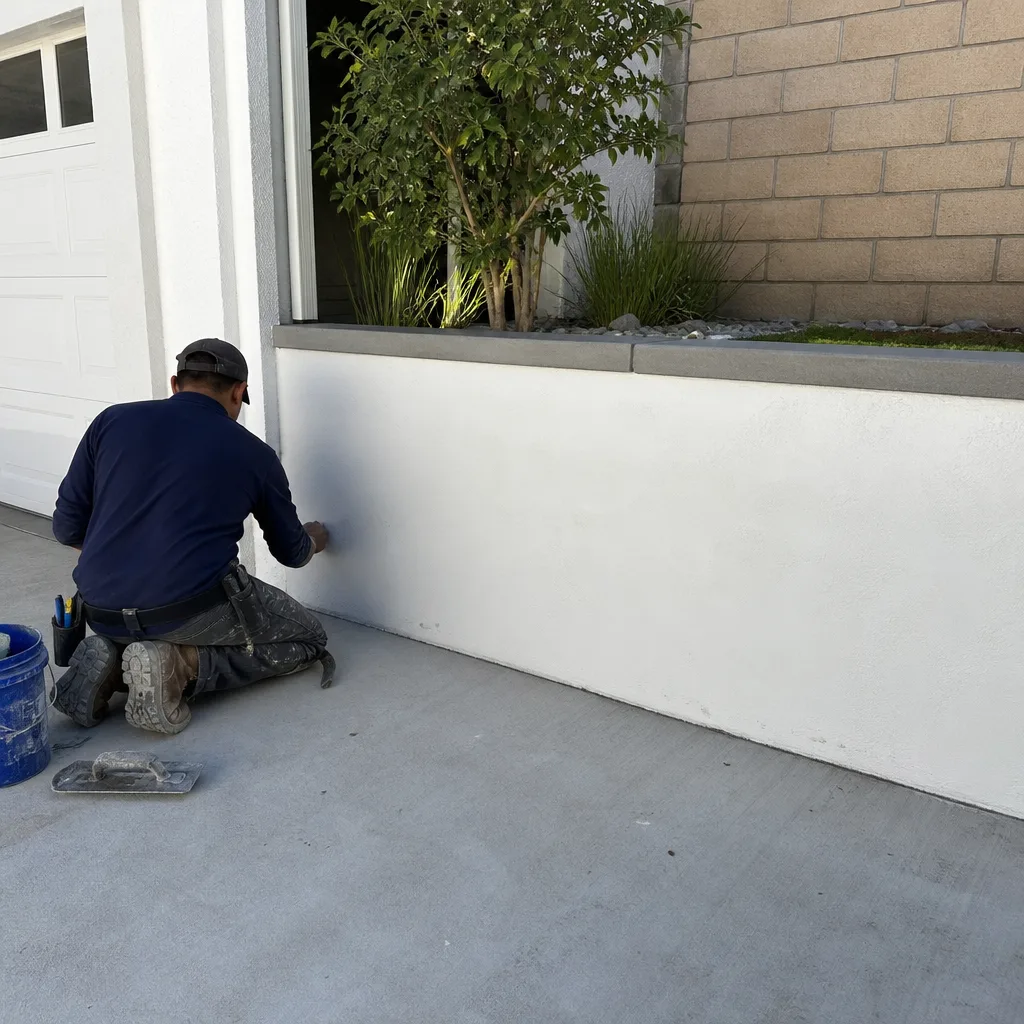 After
After Before
 After
After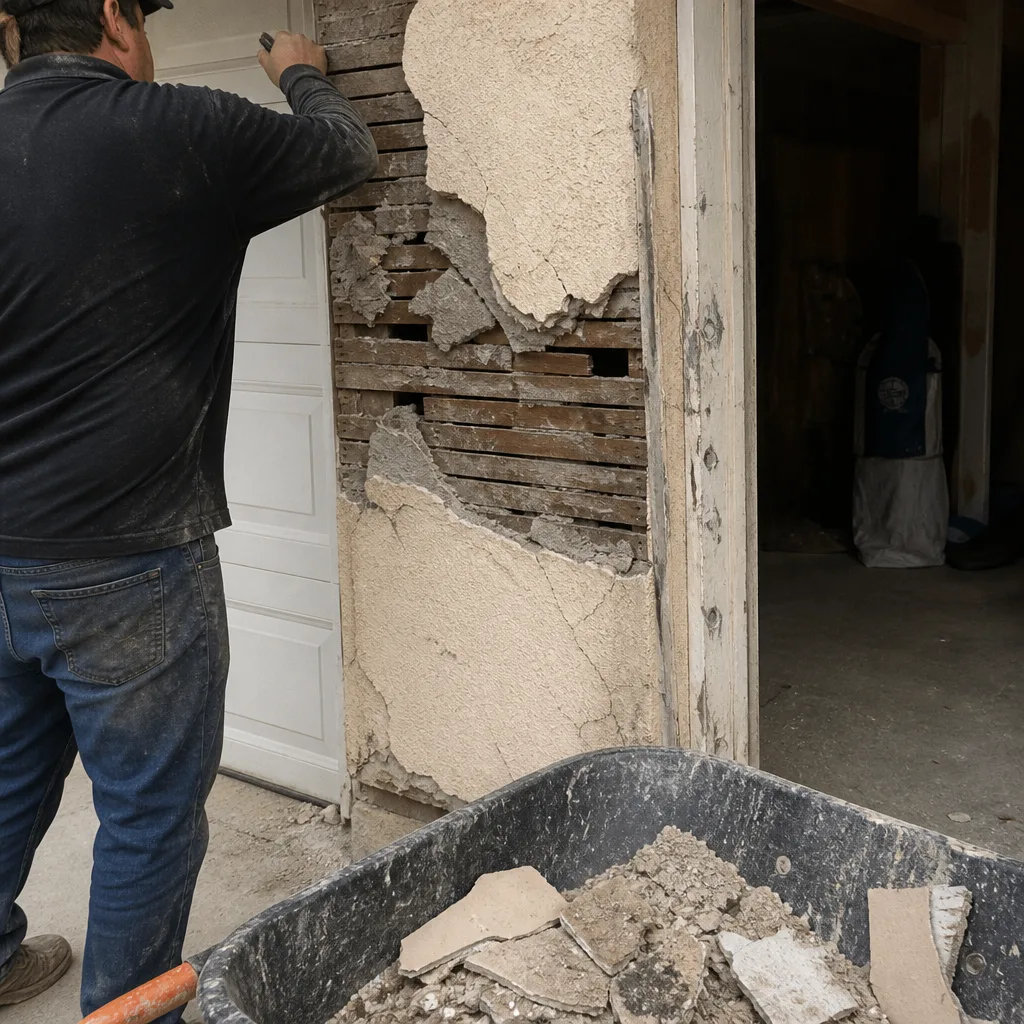 Before
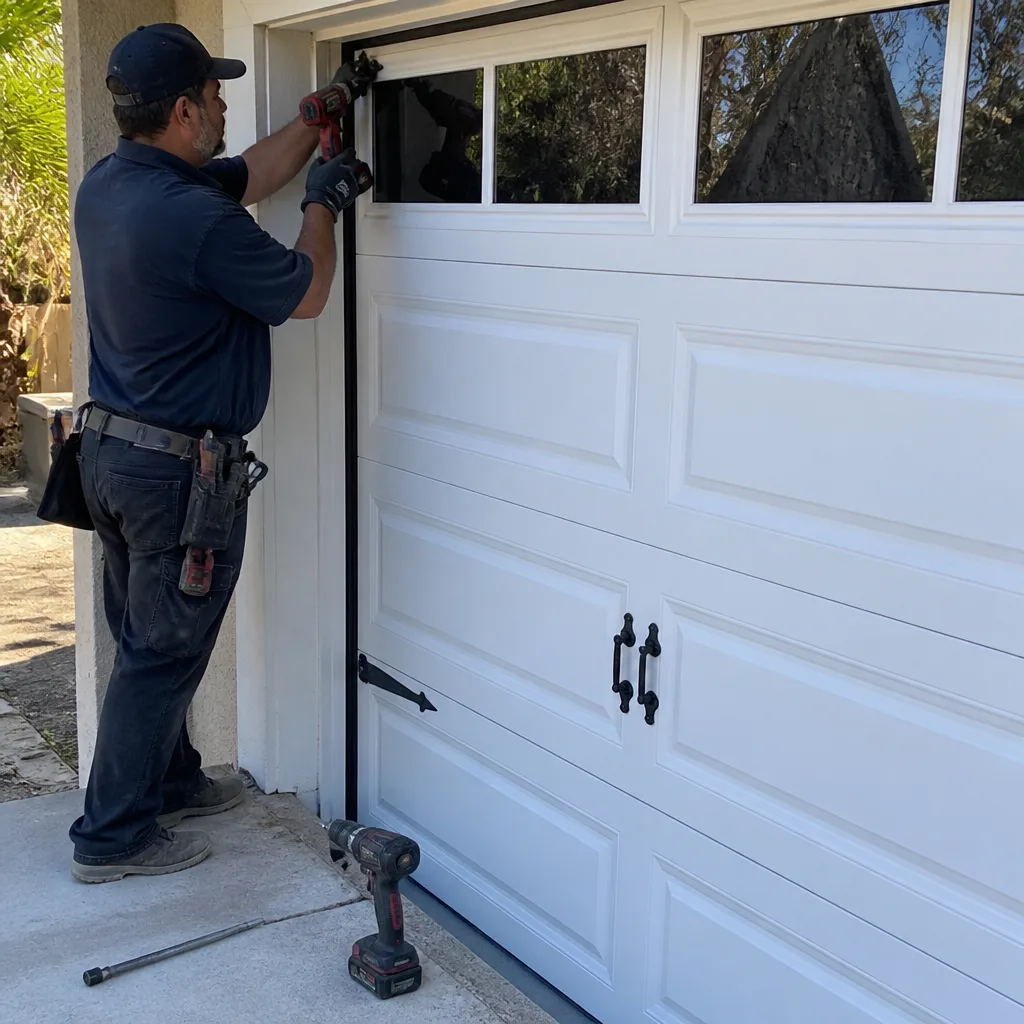 After
AfterReplacement Cost & What’s Included
For Santa Clarita CGI roof work, here’s the installed range we quote from:
- Panel replacement (single section): $400 – $1,200 depending on access and profile type
- Flashing and sealant repair around penetrations: $600 – $1,800 when multiple areas need reworking
- Full roof replacement with CGI: $8,000 – $20,000 based on roof square footage, tear-off requirements, and profile choice
What drives the repair range is straightforward: single-story versus two-story access, whether the damaged section is near a valley or a wall termination, and whether we’re color-matching an existing finish or installing a new section. Every quote we give in Santa Clarita is a written price before the first panel comes off. Parts and labor are separated on the invoice so there’s no guessing about what you’re paying for. The work itself carries our repair warranty, and the replacement parts carry their manufacturer’s finish warranty when OEM is used.
DIY or Call Us?
You can safely check a few things yourself: look for visible screw pops along the eave, photograph any staining, and note when you hear the rattle so we know which wind direction triggers it. That’s genuinely helpful information for us.
What we don’t recommend a homeowner tackle is anything on a sloped roof, especially a CGI panel removal. Steel panels under tension can spring when released, and the edge profiles are sharp enough to cut through gloves. Roof work on a two-story Santa Clarita home in full sun is not a weekend project. If you’ve found a damaged panel or a leaking flashing, call us at (661) 542-4056 and we’ll send someone to look. The assessment is part of the estimate.
FAQs
A correctly installed CGI roof in Santa Clarita typically lasts 40 to 50 years on the panel structure, with the finish holding 20 to 25 years before repainting becomes a consideration, given our intense UV exposure. The underlayment beneath it is the component that usually needs attention first, generally at the 20-year mark.
A minor dent or small puncture can sometimes be patched with the right sealant and a color-matched cap, but any panel with a crease through the structural plane or a tear at the seam should be replaced rather than repaired. Call (661) 542-4056 and we’ll tell you honestly which situation you have after seeing it.
A single panel swap on a one-story roof is usually a same-day job, about two to four hours including set-up and clean-up. Trim or flashing replacements around a chimney or wall take longer, typically a full day, because the sealant cure time matters for the warranty to hold.
We stock the common CGI profile clips, screws, and sealant on the truck, along with a small inventory of the most-used panel profiles in standard Santa Clarita colors. Non-stock trim and less common stone-coated pieces are special-ordered, with a typical two to three week lead time from CGI. We’ll give you the timeline in writing before you commit.
If your CGI roof is showing any of the signs above, call (661) 542-4056 for a free estimate. We’ll walk you through what we found, what it costs, and how long it’ll take, before any work begins.
Written by Graham Stein, Owner, Elmstead Remodeling Santa Clarita at Elmstead Remodeling Santa Clarita, serving Santa Clarita and nearby areas.